
Table of Contents
Why choose Cuenca for a dental retreat?
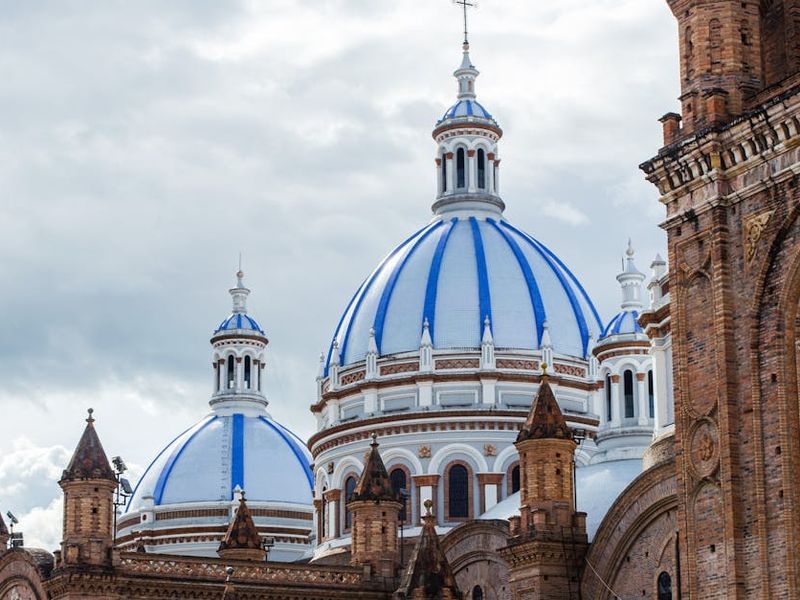
Cuenca is a surprising favorite for people who want to combine excellent dental care with a restorative getaway. The city’s colonial charm, manageable size, mild year‑round climate and lower cost of treatment make it easy to focus on recovery and relaxation. Add Ecuador’s use of the U.S. dollar, a strong expatriate community and easy access to pharmacies, and Cuenca becomes a sensible place to have dental work and then unplug.
How to plan your trip: timing, scope and realistic expectations
Start with a clear treatment plan. Some procedures — routine cleanings, fillings or single crowns — can be done in a short trip of 3–5 days. Larger cases, like implants or full‑mouth rehabilitation, require staged visits spread over weeks or months. Ask your chosen clinic for a timeline and which parts must be done in person versus remotely.
Sample trip lengths
- Weekend/Short trip (3–5 days): Consultations, cleanings, simple crowns and some extractions.
- One week (7–10 days): Multiple crowns, bridge work, same‑day crowns (CEREC), and initial implant placement with provisional restorations.
- Multiple visits (several weeks to months): Implant cases requiring osseointegration, complex prosthetics or orthodontics.
Choosing a clinic in Cuenca: what to ask before you book
Do a careful pre‑trip vetting. Ask specific, verifiable questions about credentials, sterilization, materials and guarantees. A few critical checks can save you stress during recovery.
Important questions to ask
- Are the dentists licensed in Ecuador and do they have additional specialty training (implants, prosthodontics)?
- Can they send detailed cost estimates, treatment plans and a timeline in writing?
- What sterilization protocols and lab facilities do they use? Do they use digital imaging (CBCT, intraoral scanners) and modern materials (zirconia, bonded ceramics)?
- Do they offer sedation or anesthesia options and what monitoring is used?
- How are follow‑ups handled? Do they provide post‑op support or local nursing services, and what warranty is offered for prosthetics?
Cost considerations and currency conveniences
One of Cuenca’s appeals is cost transparency and savings. Ecuador uses the U.S. dollar, which simplifies budgeting. You’ll often find prices for crowns, implants and major restorative work are a fraction of U.S. or Canadian rates, but get itemized estimates and compare them across several clinics.
Tips to avoid surprising bills
- Request a detailed quote that includes materials, lab fees, anesthesia and follow‑up appointments.
- Ask whether any additional imaging or tests are included or billed separately.
- Confirm payment methods and whether they accept international cards or require cash.
Preparing to travel: medical documentation and digital records
Bring copies of your dental records, recent X‑rays and a written summary from your home dentist. Many Cuenca clinics can work from digital files — ask for high‑resolution scans or PDFs to be emailed in advance. Clear records speed up diagnostic appointments and reduce unnecessary repeat imaging.
Coordinate with your home dentist
Make sure your home dentist is comfortable sharing records and partnering with an overseas clinic. Ask both offices how they will handle extraordinary situations, such as a failed implant or an infection after you return home.
Recovery planning: where to stay and how to rest
Pick accommodation that supports healing. Look for a centrally located hotel, serviced apartment or Airbnb within a short taxi ride of your clinic. Consider ground‑floor rooms or elevators if you’re uncomfortable with stairs, and choose quiet streets to minimize noise during rest periods.
Comfort features to prioritize
- Proximity to the clinic — aim for under 20 minutes by taxi.
- Kitchenette or access to simple, soft food options (blender for smoothies, microwave).
- Comfortable bedding, blackout curtains and a restful layout.
Packing checklist for a dental recovery trip
Beyond your usual travel items, bring a small recovery kit: prescribed medications, oral rinses recommended by your dentist, comfortable clothing and easy‑to‑prepare food supplies. Don’t forget documentation, chargers and a local SIM card or international phone plan so you can easily contact your clinic.
Suggested recovery kit
- Copies of consent forms, treatment plan and prescriptions.
- Over‑the‑counter pain relievers approved by your dentist, plus any prescribed antibiotics.
- Soft food staples: instant soups, powdered protein, bananas, avocado, cooked potatoes.
- Oral care items: soft toothbrush, antiseptic mouthwash, salt for saline rinses.
- Small ice packs, comfortable neck pillow and eye mask.
Food and hydration: easy, delicious choices in Cuenca
Cuenca’s culinary scene includes a mix of hearty Andean dishes and international cafés that cater to expats. After dental work, favor soft, nutrient‑dense foods: soups, mashed potatoes (locro de papa), pureed pumpkin, blended fruit smoothies, scrambled eggs and soft cheeses. Many restaurants will happily prepare gentler versions of local dishes if you explain you need soft food.
Where to buy groceries and soft foods
There are several supermarkets and neighborhood mercados where you can pick up fresh produce, yogurt and ready‑to‑heat soups. Cuenca’s market culture means you can also find local vendors selling boiled corn, ripe avocados and soft cheeses that make recovery meals both healthy and affordable.
Altitude, climate and their effect on recovery
Cuenca sits at an altitude of about 2,500–2,600 meters (around 8,500 feet). For most people, the mild climate is pleasant, but altitude can affect sleep, hydration and bleeding risk after surgery. If you’re sensitive to altitude, plan to arrive a day or two early to acclimatize. Stay well hydrated, avoid excess alcohol and consult your dentist about any increased bleeding risk or the advisability of sedation at higher elevations.
Aftercare and follow‑up: staying connected with your dentist
Good clinics provide written aftercare instructions and remote follow‑up (photos, WhatsApp check‑ins, video calls). Make sure you know how to reach the dental office after hours and whether they have an emergency contact. Confirm whether post‑operative appointments will be scheduled locally or require a return visit.
When to seek urgent care
Contact your dentist immediately if you notice excessive bleeding, uncontrolled pain, fever, swelling that worsens after 48–72 hours, or signs of allergic reaction to medications. Locate the nearest public hospital or urgent care center before you travel so you know where to go if needed.
Practical local tips: language, transport and pharmacies
Spanish is the primary language in Cuenca, though many clinics serving international patients have English‑speaking staff. Learn a few key phrases for your visit, or install a translation app. Taxis and ride apps are widely available for short trips; the airport (CUE) is a straightforward 30–45 minute drive to the historic center, depending on traffic.
Accessing medications and supplies
Cuenca has well‑stocked pharmacies where you can fill prescriptions. Bring a printed prescription or an emailed PDF that a pharmacist can read. If your clinic prescribes a particular brand, confirm availability beforehand or ask for an acceptable generic.
Low‑impact activities to help you unplug
Recovery doesn’t have to be boring. Choose gentle activities that won’t strain your healing tissues: slow walks through the Parque Calderón, peaceful afternoons in tea houses, quiet visits to museums like the Museo Pumapungo, or browsing artisan markets for handcrafted goods. These activities offer sensory pleasure without the stress of long hikes or vigorous exercise.
Wellness add‑ons that pair well with dental recovery
- Light massage (avoid facial massages after oral surgery; check with your dentist first).
- Yoga or guided stretching classes geared toward gentle movement.
- Thermal baths or hot springs within easy driving distance for a soak — verify timing with your dentist, as heat can increase swelling early after procedures.
Safety, insurance and realistic expectations
Travel insurance that covers medical emergencies is always a wise idea; make sure it explicitly covers dental complications if possible. Ask the clinic for before‑and‑after photos of previous patients, read independent reviews, and request references if you need extra reassurance. Remember that while many people have smooth, successful outcomes, any surgical procedure carries risks and may involve additional costs or follow‑up visits.
Returning home: coordinating long‑term care
If you need extended follow‑up or final prosthetic work, coordinate timelines with both your Cuenca dentist and your home dentist. Get copies of all operative reports, lab prescriptions and digital images. Some clinics will ship final prosthetics or dental records to your home dentist once completed.
Final checklist before you go
- Confirm appointments and airport transfers.
- Pack your recovery kit and printed medical records.
- Notify your home dentist of travel plans and share the Cuenca clinic’s contact details.
- Review medication instructions and stock up on soft‑food items for at least 3–5 days after major procedures.
- Set expectations: build extra buffer days for unplanned follow‑ups or slower healing.
Make it a true retreat
With thoughtful planning, a dental trip to Cuenca can be more than just a medical appointment — it can be a chance to slow down, enjoy the city’s beauty and take care of your smile in a calm environment. Treat the trip as a mini‑retreat: schedule light activities, savor local food that supports healing and give yourself permission to rest. You’ll return home with both improved dental health and the memory of a gentle, restorative stay in one of Ecuador’s most charming cities.
Adam Elliot Altholtz serves as the Administrator & Patient Coordinator of the “Smilehealth Ecuador Dental Clinic“, along with his fellow Expats’ beloved ‘Dr. No Pain‘, right here in Cuenca, Ecuador, and for purposes of discussing all your Dental needs and questions, is available virtually 24/7 on all 365 days of the year, including holidays. Adam proudly responds to ALL Expat patients from at least 7:00am to 9:00pm Ecuador time, again every single day of the year (and once more even on holidays), when you write to him by email at info@smilehealthecuador.com and also by inquiry submitted on the Dental Clinic’s fully detailed website of www.smilehealthecuador.com for you to visit any time, by day or night. Plus, you can reach Adam directly by WhatsApp at +593 98 392 9606 -or by his US phone number of 1‐(941)‐227‐0114, and the Dental Clinic’s Ecuador phone number for local Expats residing in Cuenca is 07‐410‐8745. ALWAYS, you will receive your full Dental Service in English (NEVER in Spanish), per you as an Expat either living in or desiring to visit Cuenca by your Dental Vacation, plus also to enjoy all of Ecuador’s wonders that are just waiting for you to come arouse and delight your senses.