
Table of Contents
Why the Southern Highlands Deserve a Spot on Your Ecuador Itinerary
The southern highlands of Ecuador weave together colonial cities, cloud forests, healing valleys and dramatic páramo lakes. For travelers seeking culture, nature and a slower pace, the trio of Cuenca, Loja and Vilcabamba offers an ideal introduction to Andean life beyond the mainstream. Each town has its own character: Cuenca hums with colonial charm and museums, Loja pulses with music and tradition, and Vilcabamba lures wellness seekers and hikers into a warm, fertile valley.
Overview: Distances, Altitude and What to Expect
Before you go, it helps to know the terrain. Cuenca sits at about 2,550–2,600 meters (8,360 ft), so days are cool and nights can be crisp. Loja is a bit lower and drier at roughly 2,060 meters, and Vilcabamba drops to around 1,500–1,600 meters, offering a noticeably warmer, semi-tropical climate. Roads link the cities reasonably well: Cuenca to Loja is a scenic bus ride of roughly 3.5–4.5 hours, and Loja to Vilcabamba is a short 45–75 minute trip, depending on stops. Bring layers for temperature swings and allow a day or two to adjust to elevation changes.
Cuenca: Historic Heart, Food Culture and Outdoor Access
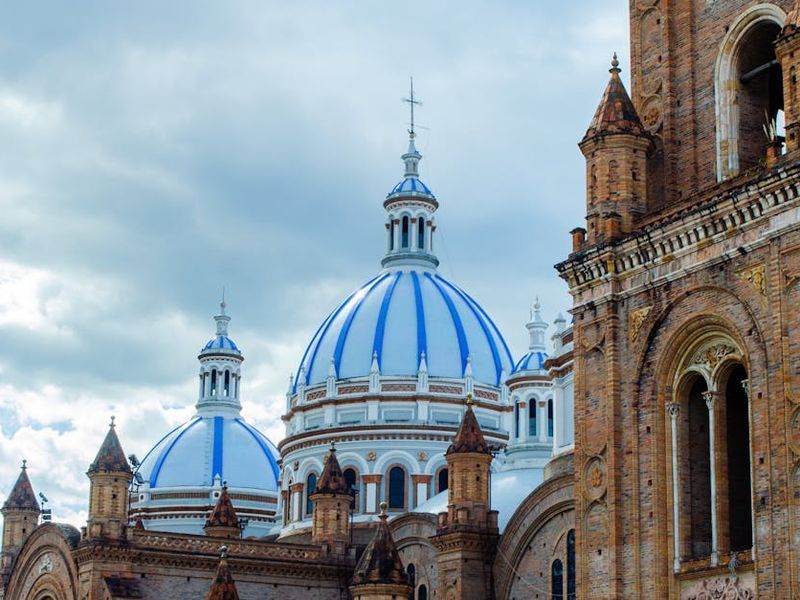
Cuenca is often the first stop for visitors exploring the southern highlands. This UNESCO city brims with red-tiled roofs, grand churches and tree-lined plazas. Start with a slow walk around Parque Calderón to admire the cathedral’s iconic blue domes and the nearby white stone Iglesia del Sagrario.
Must-see landmarks and museums
Don’t miss Museo Pumapungo, where replicated Inca terraces and ethnographic exhibits bring pre-Columbian life into focus. The Museo del Banco Central showcases ancient ceramics and metalwork, while contemporary art spaces and small galleries across El Centro provide a fresh counterpoint to the colonial architecture.
Food, markets and local specialties
Cuenca’s food scene mixes traditional Andean fare with modern cafés. Try llapingachos (potato pancakes), hornado (slow-roasted pork) and mote (hominy) at Mercado 10 de Agosto and other local markets. For adventurous eaters, cuy (roasted guinea pig) is available in many traditional restaurants. Coffee culture is strong—pick a micro-roaster café for a late-morning break—and the city has an expanding craft-beer scene if you prefer a local brew.
Day trips from Cuenca
El Cajas National Park is the top nature escape, just under an hour from Cuenca. Expect a moonscape of páramo, countless glacial lakes and superb hiking. For history buffs, the Ingapirca ruins (about 1.5 to 2 hours north) offer the best preserved Inca site in Ecuador. Nearby artisanal towns—where you can see weaving and hat-making—make for pleasant side trips.
Loja: Ecuador’s Cultural Capital and Gateway to Wild Places
Often called the “City of Music,” Loja earns its nickname through a lively cultural calendar and a strong conservatory tradition. It’s less touristy than Cuenca, which makes it a great place to sample authentic southern-Ecuadorian life.
What to do in town
Stroll Loja’s compact center to find plazas, small museums and street-side cafes. If you can time your visit with a concert or cultural festival, you’ll see why locals are proud of the city’s artistic energy. Loja also has lively markets where you can buy local produce, herbs and traditional crafts.
Nature nearby
Podocarpus National Park lies to the east and is a biodiversity hotspot with cloud forest trails, waterfalls and birding opportunities. Shorter drives from Loja lead to hot springs and scenic overlooks — perfect for one-day nature breaks. Loja’s drier climate and lower altitude make it a comfortable stopover between Cuenca and Vilcabamba.
Vilcabamba: The Valley of Longevity and a Haven for Slow Travel
Vilcabamba has an international reputation as a place for long-living people and an expatriate haven for wellness seekers. Even if you don’t buy into longevity myths, the town’s gentle climate, friendly cafes and easy access to hiking make it a restorative place to linger.
Outdoor activities and wellbeing
From Vilcabamba you can hike to waterfall trails, explore nearby ridgelines with views over the valley, or take guided botanical walks focused on medicinal plants. The town hosts yoga studios, wellness centers and small spas; many visitors combine outdoor activity with relaxation and holistic treatments.
Local flavor and markets
Vilcabamba’s market scene is small but vibrant: you’ll find fresh fruit, local breads and a selection of artisan products. Cafes and restaurants cater to both Ecuadorian visitors and an international crowd, offering healthy bowls, smoothies and a mix of local and global cuisine.
How to Travel Between the Three Cities
Public buses are the most economical way to travel and operate frequently between Cuenca, Loja and Vilcabamba. Interprovincial buses vary by company and comfort level; choose a reputable carrier and expect multiple daily departures. For greater flexibility, private shuttle services are common and can be arranged through travel agencies or hotels—ideal if you travel in a small group or want door-to-door service.
Driving yourself
Renting a car gives you maximum freedom to stop at viewpoints and small towns, but mountain roads can be narrow and curvy. If you drive, allow extra time for weather and road conditions, and make sure your rental includes insurance. In Cuenca and Loja, parking in the historic centers can be limited—book hotels with parking if you’ll have a car.
Sample Itineraries: 5, 7 and 10-Day Options
Here are three practical sample itineraries to match common trip lengths and travel styles.
5-day: Highlights loop (Cuenca base + Vilcabamba)
- Day 1–2: Explore Cuenca—cathedral, Pumapungo, market, evening paseo.
- Day 3: Day trip to El Cajas or Ingapirca.
- Day 4: Travel to Loja, quick city walk and music scene exploration.
- Day 5: Short hop to Vilcabamba for relaxation and return or onward travel.
7-day: Deeper southern highlands
- Days 1–3: Cuenca with an extra day for makers’ markets or a cooking class.
- Day 4: Bus to Loja, settle in, evening performance or museum.
- Day 5–6: Base in Vilcabamba to hike, visit waterfalls and try wellness services.
- Day 7: Return to Cuenca or continue to the coast/Amazon.
10-day: Slow travel and off-the-beaten-track
- Spend extra days exploring smaller towns, volunteer opportunities or extended hikes in Podocarpus and El Cajas. Add side trips to artisan villages and farm stays for a deeper cultural experience.
Practical Tips: Money, SIM Cards and Health
Ecuador uses the US dollar, which simplifies budgeting. Cash is useful for markets and small vendors; most urban ATMs are reliable, but withdraw in the cities before heading to remote areas. Buying a local SIM card is simple—look for providers at the airport or in city centers to get data for maps and rides. Pharmacies are common in Cuenca and Loja, and Cuenca in particular has professional medical services and private clinics if you need care.
Safety, etiquette and language
Southern highland towns are generally safe, but normal precautions apply—secure your belongings in crowded markets and avoid poorly lit streets at night. A few Spanish phrases go a long way: Buenos días, por favor, gracias and ¿Cuánto cuesta? are helpful. Smile and be polite; locals appreciate respectful visitors.
Budgeting: Typical Costs to Expect
Prices can vary by season and comfort level, but these general figures help with planning:
- Local bus rides between cities: $5–$15 depending on distance and comfort.
- Meals: street food $2–$5, mid-range restaurants $6–$15, upscale dinners more.
- Accommodation: hostels $8–$20, mid-range hotels $30–$70, boutique stays higher.
- Guided day trips (El Cajas, Ingapirca): $25–$60 including transport.
Best Times to Visit and What to Pack
The highlands have a relatively mild climate year-round. Dry months tend to be June through September, which is prime hiking season, but those months can be busier with local tourism. Pack layers—thermal base layers for cool mornings, breathable mid-layers for daytime walks, and a waterproof shell for sudden showers. Comfortable hiking shoes are essential for El Cajas and other nature outings. Sunscreen, a hat and a reusable water bottle will make your days more comfortable.
Sustainable and Respectful Travel Choices
Support local communities by buying crafts directly from artisans and choosing eco-conscious tour operators when exploring protected areas. Stick to marked trails in national parks to protect fragile páramo ecosystems. If you stay in family-run guesthouses or eat at small local restaurants, your money has greater impact on the community.
Final Notes: Slow Down and Let the Highlands Unfold
One of the greatest pleasures of the southern highlands is how readily they reward slow travel. Allow extra time in each place to wander, sample foods at local markets and strike up conversations with shopkeepers and musicians. Whether you’re watching the sunset over Cuenca’s tiled roofs, hiking a lake-ringed trail in El Cajas, or sipping a fresh juice in Vilcabamba, the rhythm of this region encourages lingering, exploration and a deeper connection to Ecuador’s highland heart.
Use this guide as your starting map, then let curiosity and the kindness of local hosts show you the less-charted corners of the southern highlands—those moments are the ones you’ll remember most.