
Table of Contents
Why Cuenca Is a Top Choice for Dental Travel
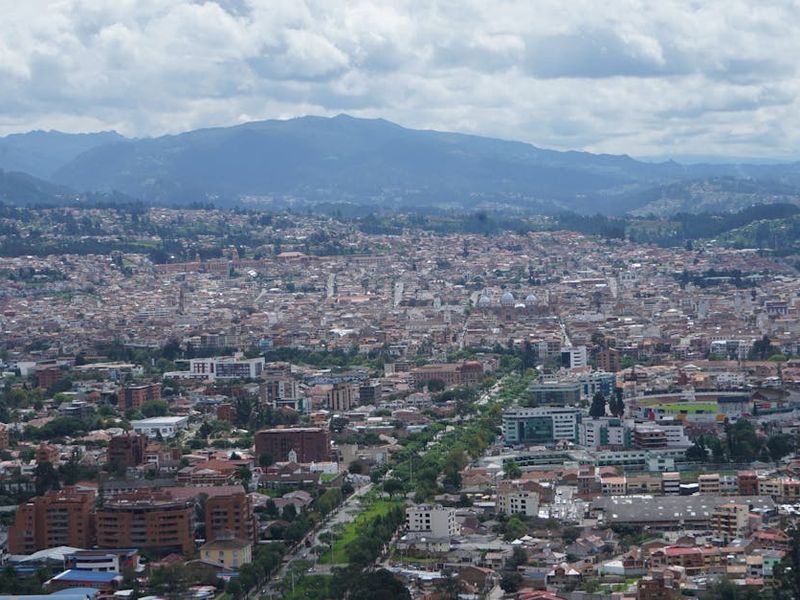
Cuenca, Ecuador, has quietly built a reputation among North American and European dental travelers for high-quality dentistry at a fraction of the cost at home. The city’s pleasant climate, compact historic center, and many English-speaking dentists make it easy to combine clinical visits with downtime exploring colonial streets and mountain scenery. Ecuador uses the U.S. dollar, which simplifies budgeting, and Cuenca’s healthcare community has grown to serve international patients with modern clinics, digital imaging, and many cosmetic and implant options.
What to Expect on Cost and Quality
Price is often the main draw, but value is more than lower fees. In Cuenca you can often expect prices roughly 40–70% lower than in the United States or Canada for similar work. Typical price ranges (approximate and subject to change) you might find in Cuenca are:
- Composite filling: $40–$120
- Root canal (anterior): $80–$180
- Porcelain crown (E-max/Zirconia): $250–$650
- Single dental implant (including abutment and crown): $800–$1,800
- Full-arch options (All-on-4 style) vary widely: $5,000–$12,000
- Partial/full dentures: $250–$1,200
These ranges are broad because materials, lab quality, and clinician experience matter. Always compare apples to apples: a zirconia crown from a lab with digital workflows will cost more than a lab-fabricated PFM crown.
Finding the Right Clinic: Red Flags and Green Flags
Not all clinics are created equal. Here are concrete signs that a clinic is likely to give you good value and care.
Green Flags (Look for these)
- Clear, written treatment plans with itemized costs and timelines.
- Use of digital X-rays and, when appropriate, CBCT (cone beam) scans for implants.
- Evidence of sterilization protocols (visible autoclaves, written policies).
- Before-and-after photos and patient testimonials, ideally from international patients.
- English-speaking staff or interpreters; willingness to communicate by email/video before your trip.
- Memberships in national and international dental organizations and continuing education credentials.
- The ability to show the brand of implants/materials used and to provide warranties in writing.
Red Flags (Avoid these)
- Vague price quotes or refusal to provide an itemized plan.
- Pushy sales tactics or pressure to do more treatment than you initially sought.
- No records requested from your home dentist; unwillingness to coordinate care.
- Clinic photos that don’t match the physical address or that look like stock images.
- Unclear aftercare or no follow-up plan—dental work often needs adjustments and monitoring.
Questions to Ask Before You Book
Talk to the clinic before you commit. Use email or video calls so you have written records and can evaluate responsiveness. Key questions include:
- Can you send a written treatment plan, cost estimate, and the brands of implants/materials you’ll use?
- Do you use digital impressions and CAD/CAM milling for crowns? Do you offer same-day crowns?
- Is a CBCT scan recommended for my case and is it included in the price?
- Who will be doing the implant surgery: the restorative dentist, a surgical specialist, or both?
- Do you provide pre/post-op medication and an emergency contact after hours?
- Can you provide references or testimonials from international patients?
Timing Your Trip: How Long to Stay
How long you need to stay depends on the procedures.
- Minimal work (fillings, simple extractions): 2–4 days including travel and rest.
- Crowns using traditional lab: 7–14 days (first visit prep and a second visit for cementation).
- CAD/CAM same-day crowns: 1–3 days if no other complications.
- Single implants (placement + healing): initial visit 2–3 days; then a 3–6 month healing period before final restoration. Many travelers place implants in Cuenca and return for final crowns after healing—or coordinate with their home dentist for the final crown.
- All-on-4/full-arch immediate load: initial 7–14 days for surgery and prosthetic work, then follow-up visits over several months.
Many clinics offer staged plans so you can have major surgery followed by shorter follow-up visits. Discuss a timeline that includes healing time if you plan to return home during the recovery period.
Preparing Before You Travel
Preparation makes your dental vacation smooth and safer. Do these things before you book flights:
- Obtain your dental records and recent X-rays from your home dentist. Send them to the Cuenca clinic for a preliminary review.
- Check travel insurance and whether it covers complications of elective dental treatments abroad.
- Confirm whether you need a translator, and arrange one if the clinic doesn’t provide one.
- Make a list of medications and allergies; bring a copy and enough medication for your stay.
- Book accommodations within easy distance of the clinic to minimize travel after procedures—Centro Histórico (near Parque Calderón) is convenient and walkable.
- Know Cuenca’s altitude (~2,500–2,600 m/8,200–8,530 ft). If you’re prone to altitude sickness, allow a day or two to acclimatize before surgery.
Typical Week-Long Itinerary Examples
Smile Tune-Up (crowns and fillings, week-long)
Day 1: Arrival and light walking to adjust to altitude. Meet clinic for consultation and digital X-rays.
Day 2: Preparations (tooth prep, impressions or digital scans); temporary crowns placed if needed. Downtown evening stroll.
Day 3–4: Lab fabrication or same-day milling; adjustments; final try-in and cementation. Enjoy local museums and food.
Day 5: Final checks, cleaning, and a relaxed day in parks before flying home.
Implant Start (placement visit)
Day 1: Arrival and pre-op appointment, labs and consent forms.
Day 2: Implant surgery and immediate post-op observation. Rest and light meals near your lodging.
Day 3–4: Follow-up check and initial healing instructions. Sightseeing at gentle pace in historic center. Fly home afterward with clear aftercare plan and medications.
Practical Tips for the Clinic Visit
- Bring your ID and a copy of your dental records.
- Arrive early so staff can run any additional imaging and paperwork.
- Ask to see used materials and implant boxes before they’re opened if that matters to you—reputable clinics will be transparent.
- Take photos of your work immediately after treatment; many clinics document cases with photos and this helps with guarantees.
- Request written aftercare instructions in English and Spanish, and an emergency contact number for complications.
Aftercare and Recovery in Cuenca
Cuenca’s mild climate and walkable center are pleasant for recovery, but keep a few things in mind:
- Altitude: Healing can feel different at higher elevations—expect mild shortness of breath when walking hills and potentially more swelling after surgery. Stay hydrated and avoid heavy exertion for several days after implant surgery.
- Diet: Stock up on soft foods at local markets—yogurt, soups, mashed potatoes, and ripe avocados are easy to find. Many clinics will provide a recommended diet plan.
- Medication: Bring a small first-aid kit and your prescriptions. Antibiotics and painkillers are often provided but verify dosages and bring a copy of the prescription.
- Follow-up: Schedule at least one in-person follow-up before you leave. Some clinics do virtual follow-ups once you’re home.
Combining Dentistry with Local Experiences
One of the best parts of a dental trip to Cuenca is that recovery days can double as enjoyable, low-impact sightseeing. Consider these activities:
- Walk the Tomebamba River promenade and relax in riverside cafés.
- Explore the Plaza Calderón and the New Cathedral—gentle walking with frequent bench stops.
- Visit Pumapungo Museum and the nearby ethnobotanical gardens for a calm cultural experience.
- Take a short day trip to Cajas National Park for scenic drives and easy hikes if you’re acclimatized and cleared by your dentist for light activity.
- Enjoy Cuenca’s artisan markets for handmade jewelry and Panama hats—great low-energy shopping.
Safety Nets: Warranties, Follow-Up, and What If Things Go Wrong
A reliable clinic will offer a warranty on crowns, implants, and prosthetics—get it in writing. Typical warranties cover failures related to lab work or material defects, not trauma or poor hygiene. Ask how the warranty is handled if you’re home when a problem arises: will they pay for shipping replacement parts, or arrange for a local dentist to do temporary repairs?
Also arrange a plan with your home dentist before you travel. Share the treatment plan and X-rays so your dentist can handle emergency follow-ups if necessary. Make sure both clinics have each other’s contact details.
Payments, Currency, and Insurance
Ecuador uses the U.S. dollar, which removes currency exchange headaches. Many clinics accept cash, major credit cards, or bank transfers. Bring an extra credit card and be cautious about carrying large sums of cash—use hotel safes.
Travel insurance sometimes excludes elective dental care, so check policy details. If you’re having medically necessary care or dental work due to an accident while traveling, your travel insurance may respond—ask your insurer.
Final Preparation Checklist
- Get written treatment estimate and appointment schedule from your Cuenca clinic.
- Bring dental records and recent X-rays; request digital files (DICOM) if possible.
- Confirm accommodation near the clinic and arrange airport transfers.
- Pack soft-food staples, prescribed meds, and a translated copy of aftercare instructions.
- Have a plan for follow-up care—either with the Cuenca clinic or your home dentist.
- Allow extra days for travel delays—don’t schedule a tight return the day after surgery.
Why a Thoughtful Approach Pays Off
A dental vacation to Cuenca can be an excellent way to get high-quality dentistry at a lower cost while enjoying a charming city. The key to maximizing value is research and preparation: choose a clinic that communicates clearly, uses modern techniques, and provides written aftercare and warranties. With the right planning—allowing for altitude, scheduling realistic timelines, and coordinating with your home dentist—you can combine necessary dental work with a restorative holiday in one of Ecuador’s most livable cities.
Ready to start planning? Request detailed estimates from a few clinics, compare treatment philosophies and materials, and schedule a video consult so you arrive informed and confident. Cuenca’s cobblestone streets and calm plazas are waiting—and your smile could be too.