
Table of Contents
Why Cuenca Is a Strong Choice for Dental Travel
Cuenca, Ecuador has become a hub for dental tourism thanks to skilled clinicians, modern clinics, and prices that often run well below those in North America and Europe. Beyond cost savings, Cuenca offers a comfortable, walkable historic center, good expat services, and reliable medical infrastructure — all useful if you need follow-up care. Before booking a flight, though, a little planning will help you maximize value, avoid surprises, and protect your health.
Start With a Smart Pre-Trip Checklist
A successful dental vacation starts long before you arrive. Assemble a packet of medical and dental records to send to prospective clinics in advance: recent X-rays, a list of medications, allergies, and basic health history (especially diabetes, heart conditions, or osteoporosis). Ask your home dentist for copies of scans and a treatment summary to share with your Cuenca clinic.
Key practical items to prepare:
- Digital copies of X-rays and any CBCT scans (most clinics can open standard DICOM files).
- A concise medical history and current medication list.
- Photos of your smile taken from several angles under good light.
- Travel insurance that covers complications from dental procedures and emergency evacuation if you want extra peace of mind.
How to Choose the Right Clinic in Cuenca
Not all clinics are the same. Look for facilities that provide clear, written estimates and treatment plans, modern diagnostics (CBCT, digital X-rays, intraoral cameras), and evidence of sterilization protocols. Clinics near the Historic Center, El Vergel, and Ricaurte neighborhoods are popular with visitors because they’re easy to reach from hotels and the airport.
Ask specific questions when you contact clinics:
- Which implant systems and crown materials do you use? (Brands like Straumann, Nobel, and reputable manufacturers are indicators of quality.)
- Do you have an in-house lab or partner lab — and what are typical turnaround times?
- Are English-speaking staff or translators available?
- Can I see before/after photos and patient references?
- What infection-control measures do you follow (autoclave logs, single-use disposables)?
Understanding Costs and Where You Save — and Where You Don’t
Cuenca’s biggest attraction for dental tourists is cost savings. Routine procedures (cleanings, fillings) and cosmetic treatments (porcelain crowns, veneers) usually cost much less than in the U.S. and Canada. Implant placement and full-mouth reconstructions are often the best value, but prices vary by implant brand, bone grafting needs, and whether the clinic uses premium materials.
Typical price ranges (approximate and subject to change):
- Routine cleaning and exam: very affordable compared to North America.
- Porcelain crown: lower than U.S. prices; same-day CAD/CAM crowns may be available in some clinics.
- Dental implant (surgery only): often a fraction of home-country costs — but check the implant brand and whether the price includes the crown.
Save money by combining multiple procedures with one trip where medically appropriate, but avoid rushing complex work just to save on travel. In some cases it’s better to stage treatment.
Timing, Staging and Typical Treatment Timelines
Plan your trip according to the complexity of treatment. Simple procedures like cleanings, fillings, and single crowns can be done in a few days. Implants and bone grafts may require multiple visits spaced months apart.
Example timelines:
- Exam + cleaning + crowns: 3–7 days if crowns are same-day or if the clinic partners with a local lab quickly.
- Implant placement: consultation and imaging on day 1; implant placement on a second visit. If bone grafting is required, allow 3–6 months for healing before the final crown.
- Full-mouth reconstruction: staged over several months with careful planning and diagnostic wax-ups.
Practical Tips for Your Stay in Cuenca
Where you stay and how you move around matter. Cuenca’s city center (around Parque Calderón and the Catedral) is scenic and very walkable, with many clinics, hotels, and restaurants nearby. If you prefer quieter neighborhoods, El Vergel and the area along Avenida Remigio Crespo are convenient and have easy transport links.
Travel tips:
- Fly into Mariscal Lamar Airport (Alausi? Actually Mariscal La Mar is the airport serving Cuenca) and take a taxi or arrange a hotel shuttle to the city center.
- Use local taxis or ride-hailing options when available; most clinics will recommend safe transport providers.
- Choose accommodation within a short walk of your clinic for early appointments and post-op convenience.
- Book an Airbnb or hotel with a kitchen for soft-food meals during initial recovery if you expect to need a gentle diet.
Dental Aftercare While You’re Abroad
Aftercare is as important as the procedure itself. Ask the clinic for a written aftercare plan in English and Spanish and for any prescriptions typed with international medication names. Some clinics will give you a small emergency kit (antiseptic mouthwash, gauze, and analgesics) — request this.
Recovery tips:
- Stay hydrated and avoid alcohol for at least 48–72 hours after surgery.
- Limit strenuous activity for several days after implant surgery; Cuenca’s elevation (about 2,560 meters / 8,400 feet) can affect energy and swelling, so plan light activity only during the immediate recovery period.
- Use bottled water and maintain good oral hygiene with gentle rinses as instructed.
- Follow up with your clinic for photos or a video consult if anything feels unusual; many clinics will handle remote follow-up for international patients.
Legal, Payment and Warranty Considerations
Ecuador’s official currency is the US dollar, which simplifies budgeting and payments for many visitors. Most clinics accept cash (USD), major credit cards, and sometimes bank transfers. Get a written contract that includes the total price, what’s included (lab work, temporary crowns, sedation), and the clinic’s warranty policy.
Important protections to request:
- Itemized written estimate in English and Spanish.
- Details on whether implants and prosthetics are covered under warranty and how follow-up care is handled for international patients.
- Clear cancellation and refund policies for delayed or canceled flights.
Language and Communication: Make It Easy
Many clinics in Cuenca work with English-speaking staff, but improving your communication makes everything smoother. Prepare key phrases related to dental care or use a real-time translation app for appointments. Bring important items translated into Spanish: allergies, medication names, and a written list of questions for your dentist.
Suggested questions to ask in your first consult:
- Can you explain the diagnosis and alternatives in simple terms?
- What are the risks and typical recovery timeline for this procedure?
- Which implant system and crown materials will you use, and why?
- Can you provide before/after photos of similar cases and contact information for reference patients?
Combining Care with Recovery and Sightseeing
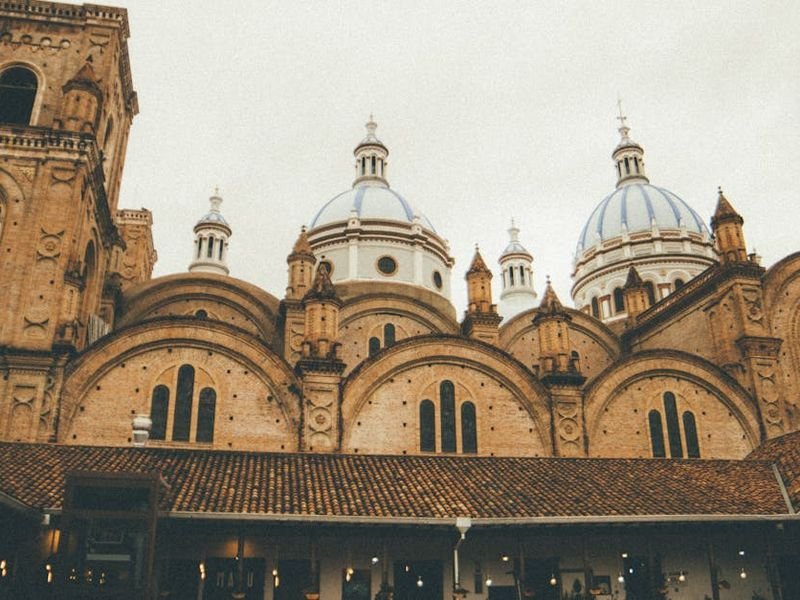
Cuenca is rich with low-impact activities great for recovery days. Take gentle walks along the Tomebamba River, visit the Catedral Nueva from a bench, or explore artisan markets in San Sebastián and Chordeleg for jewelry and textiles. Day trips to El Cajas National Park are spectacular but avoid strenuous hikes for several weeks after oral surgery.
Food and diet tips while healing:
- Stick to soft, nutritious foods: soups like locro de papa (potato soup), mashed avocado, yogurt, and pureed plantains.
- Avoid hot, spicy, or crunchy foods until your dentist clears you.
- Try local cafés for gentle options: many serve smoothies, oatmeal, and soft sandwiches.
Avoiding Common Pitfalls
Dental tourism can provide value, but be cautious about these common mistakes:
- Choosing solely on price without verifying credentials and infection-control practices.
- Not allowing enough recovery time before flying home — swelling or complications can make travel uncomfortable or risky.
- Failing to get a written treatment plan and warranty in case follow-up care is needed back home.
- Overlooking altitude effects on healing; Cuenca’s high elevation can increase fatigue and swelling, so plan extra rest days.
How to Verify Clinic Quality
Use multiple sources to evaluate clinics: patient reviews on international platforms, social media photo galleries, and direct references. Confirm that dentists are registered with Ecuador’s professional body (Colegio de Odontólogos) and ask about continuing education and international affiliations.
Ask to see the clinic’s sterilization area or documentation if you visit in person. Well-run practices are happy to explain their protocols and will provide references or connect you with former patients who traveled from abroad.
Sample Itineraries
Short restorative trip (crowns, fillings): Arrive day 1 for consultation and imaging; day 2 for treatment/temporaries; day 3 for delivery of same-day crowns (if available) or day 7 for cementation after lab work. Plan 5–7 days total.
Implant-focused trip: Day 1 consultation and CBCT; Day 7–14 implant placement (or same-week if the clinic offers a streamlined schedule); short rest period of 3–7 days locally; return home with a schedule for final prosthetics after healing (3–6 months). Many patients choose two visits spaced months apart.
Final Checklist Before You Book
- Obtain and confirm a written treatment plan and estimate.
- Verify credentials and infection-control practices.
- Confirm language support and aftercare options for international patients.
- Book flexible travel and lodging to allow for unexpected schedule changes.
- Bring medical records, prescriptions, and a plan for post-op care (food, transport, local pharmacy).
Conclusion: Balance Value with Caution
Cuenca offers an attractive blend of experienced dentists, modern clinics, and cultural experiences that make it an ideal dental tourism destination. The key to maximizing value is thorough preparation: gather records, vet clinics carefully, plan your timeline around healing, and secure clear written agreements. With the right approach, you can enjoy excellent care, significant savings, and a pleasant stay in one of Ecuador’s most charming cities.
Ready to begin? Start by collecting your dental records, compiling a short list of questions, and contacting two or three clinics in Cuenca for preliminary consultations — then build an itinerary that balances treatment, recovery, and a little local exploration.