
Table of Contents
Why Cuenca is a Top Choice for Dental Tourism
Cuenca, Ecuador, has quietly become one of South America’s most attractive destinations for dental tourism. The city’s colonial charm, reliable medical services, and use of the U.S. dollar make logistics straightforward for North American and European travelers. Beyond cost savings, patients often pick Cuenca for its walkable historic center, comfortable climate, and an established network of English-speaking dentists catering to expats and visitors.
What to Expect Financially: Realistic Cost Comparisons
One of the main draws is price. Ecuador uses the U.S. dollar, so there are no currency-conversion surprises. Typical ranges you might see in Cuenca are:
- Routine cleaning and exam: $30–$80
- Composite fillings: $40–$150
- Porcelain crown: $250–$700
- Single implant (surgery + abutment + crown): $900–$1800
- Veneers (per tooth): $120–$450
These are approximate brackets — materials, lab location (in-house labs tend to cost more but deliver faster), and the dentist’s level of experience affect price. Even after factoring travel and accommodation, many patients save 40–70% compared to U.S./Canadian prices on complex work like crowns and implants.
How to Choose a Clinic in Cuenca
Selecting the right clinic is the single most important step. Treat it like hiring a professional: do research, verify credentials, and ask for documentation.
Practical vetting checklist
- Verify the dentist’s registration with the regional dental board (Colegio de Odontólogos de Azuay) or national federation.
- Ask whether the clinic uses an in-house lab or an external one — in-house labs can shorten turnaround but check for certification and examples of prior cases.
- Request before-and-after photos and references from previous foreign patients. Independent reviews on Google Maps and expat Facebook groups are useful.
- Confirm which materials will be used (e.g., zirconia vs. PFM crowns) and request a written estimate with an itemized breakdown.
- Check infection-control practices: autoclaves, single-use items, and digital x-rays are common markers of modern facilities.
Timing Your Trip: How Long Should You Stay?
Length depends on the procedures:
- Simple work (cleaning, whitening, a couple of fillings): 3–5 days.
- Crowns/veneers requiring lab work: plan 7–10 days to allow time for impressions, temporary restorations, and final fittings.
- Implants or bone grafts: initial surgery followed by a healing period of 3–6 months. Many patients do stage trips — placement in Cuenca, healing at home, then a return for final crowns — though some clinics offer provisional teeth for immediate function.
Book a consultation (preferably via video) at least 4–8 weeks before travel. That gives time for diagnostic imaging, a second opinion if needed, and scheduling with the clinic’s lab.
Preparing Before You Leave Home
Advance preparation reduces stress and complications once you’re in Cuenca. Here are must-do items:
- Gather dental records: x-rays, periodontal charts, and a recent treatment history. Clinics will appreciate digital copies (PDFs or image files) sent in advance.
- List all medications and allergies, and bring an ample supply especially if you take chronic medications.
- Consult your primary dentist about proposed work. Ask whether any pre-op antibiotics or testing are advised.
- Purchase travel insurance that covers medical procedures and, ideally, trip interruption. Confirm whether pre-existing conditions are excluded.
Travel Logistics: Getting to and Getting Around Cuenca
Cuenca’s local airport, Mariscal Lamar (CUE), handles regional flights and some international charters. Many international travelers fly into Quito or Guayaquil and take a short domestic flight or a 3–4 hour overland transfer to Cuenca. The city center — El Centro Histórico — is compact and mostly walkable.
Transportation tips
- Arrange airport pick-up through your clinic or hotel; drivers familiar with clinic schedules can save time.
- Uber operates sporadically; official taxis and radio taxi services are reliable. Always agree on fares for out-of-town trips.
- If you rent a car, be cautious on mountain roads and narrow historical streets. Parking near the historic center is limited.
Where to Stay: Neighborhoods and Practical Considerations
Choosing accommodation close to your clinic can be more convenient — especially if you’ll have multiple appointments. Consider these areas:
- El Centro Histórico (around Parque Calderón): Fast access to many clinics, restaurants, and pharmacies. Best for short stays and sightseeing.
- San Sebastián and Río Tomebamba: Quiet, residential feel with easy access to river walks and cafes. Good for longer stays during recovery.
- Yanuncay and El Vergel: More modern apartment options and slightly farther from the central tourist zone; useful for families or extended visits.
Look for accommodation with a kitchenette if you’ll need to prepare soft food during recovery. Many patients choose short-term furnished apartments for stays longer than a week.
During Your Visit: Practical Tips for Appointments and Recovery
Make the most of your downtime between dental procedures by planning gentle activities. Here’s how to stay comfortable and recover well:
On appointment days
- Bring a translator or request one if you’re not comfortable with Spanish; many clinics provide interpreters for English and other languages.
- Wear comfortable clothing and arrive hydrated. Avoid heavy meals right before anesthesia.
- Get a written treatment plan and cost agreement before any irreversible work starts.
Immediate aftercare
- For extractions or implants: apply cold packs for the first 48 hours, sleep with your head elevated, and avoid strenuous activity for 3–7 days.
- Eat soft, nutrient-rich foods — soups, pureed vegetables, avocado, yogurt, and smoothies. Avoid hot, crunchy, or acidic foods for a week.
- Follow medications exactly: finish antibiotics, use pain relief as directed, and use antimicrobial mouth rinses if prescribed.
Combining Recovery with Cuenca’s Attractions
Cuenca is ideal for low-impact sightseeing. Use gentle walks and scenic stops as part of your recovery timeline.
- Stroll along the Tomebamba River and its cobbled promenades — flat and calming.
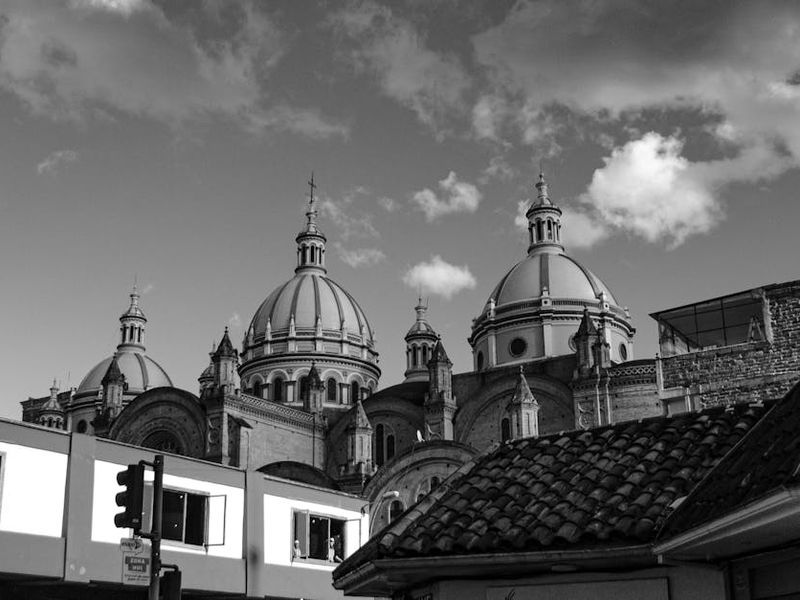
- Enjoy the peacefulness of Parque Calderón and the Cathedral Nueva’s plaza for people-watching and light meals.
- Visit Museo Pumapungo (old Inca ruins and ethnographic exhibits) for an educational half-day trip.
- Take a day trip to Cajas National Park for short, accessible trails and fresh mountain air if your clinician approves mild activity.
Reserve more active excursions, like multi-hour hikes, until you’re fully healed. Many patients schedule sightseeing between lab appointments and follow-ups.
Post-Treatment Follow-Up and Warranties
Ask clinics about their follow-up policy and warranties. Good clinics provide written guarantees for crowns and implants, typically tied to adherence to follow-up care. Ensure you receive:
- A detailed written receipt and itemized invoice (necessary for insurance claims or tax records)
- Instructions for at-home care and emergency contact information for complications
- Documentation of materials used (brand and lot numbers for implants and prosthetics)
If you need follow-up care after returning home, ask your Cuenca dentist for contact info of partner clinics in your country or a telehealth follow-up option.
Safety, Legal and Ethical Considerations
Dental tourism involves healthcare and requires additional due diligence. Practical steps to protect yourself:
- Verify the dentist’s qualifications and clinic licensure. Don’t rely solely on flashy websites or promises of the lowest price.
- Get informed consent documents translated into your language if necessary.
- Understand the clinic’s policy on complications — who pays if a re-treatment is necessary?
- Maintain copies of all documents and x-rays. These help your local dentist coordinate care if problems arise later.
Money-Saving Strategies Without Sacrificing Quality
It’s tempting to pick the cheapest option, but smarter savings come from planning:
- Bundle treatments into one trip to reduce travel costs (for example, combine crowns and fillings in a single 10-day stay).
- Use reputable comparison platforms and request quotes from multiple clinics. An itemized quote makes it easier to compare apples-to-apples.
- Ask if clinics offer discounts for cash payments or package deals. Always get these offers in writing.
- Check whether follow-up x-rays or minor adjustments are included in the price or billed separately.
Language and Cultural Tips
Many dentists and staff in Cuenca speak English, but knowing a few Spanish phrases helps. Basic courtesy and clear communication reduce misunderstandings. Helpful phrases to know include:
- “Tengo alergia a…” (I am allergic to…)
- “¿Puede explicarlo por favor?” (Could you explain that please?)
- “¿Cuánto tiempo tardará la restauración?” (How long will the restoration take?)
Respectful behavior and punctuality are appreciated. Tipping dental staff is not expected, but small gestures for exceptional service are welcomed.
Sample Itineraries for Common Procedures
Here are two realistic sample plans to help you visualize a trip:
10-Day Trip for Crowns/Veneers
- Day 1: Arrival, rest, light walk around Parque Calderón
- Day 2: Initial consultation, digital x-rays, treatment plan
- Day 3: Preparation and impressions; temporary crowns placed
- Days 4–6: Recovery and light sightseeing (Museo Pumapungo, Tomebamba strolls)
- Day 7: Try-in of final crowns; minor adjustments
- Day 8: Final cementation; post-op instructions
- Day 9–10: Buffer days for any adjustments and departure
Staged Implant Plan (2 visits)
- Visit 1 (7–10 days): Consultation, CT scan, implant placement surgery, temporary tooth if applicable
- Healing period at home: 3–6 months (monitor for pain or complications)
- Visit 2 (5–7 days): Uncovering, impression for crown, try-in and final restoration
Final Thoughts: Balance Savings with Common Sense
Cuenca offers excellent value, charm, and competent dental care, but planning is key. Protect your investment by verifying credentials, requesting itemized quotes, and allowing adequate time for treatments and recovery. With the right approach, you can return home with high-quality dental work and memories of a leisurely, restorative visit to one of Ecuador’s most picturesque cities.
Remember: dental tourism can be a smart way to access care you need — as long as you combine cost-savings with careful research, thoughtful scheduling, and clear communication with your chosen clinic.