
Table of Contents
Why Spend a Week in Cuenca?
Cuenca is one of Ecuador’s most elegant cities: cobbled streets, blue-domed cathedrals, rivers that cut through colonial neighborhoods, and a lively arts and food scene. A seven-day stay gives you time to move at a relaxed pace—wander plazas, visit museums, taste regional specialties, and take 2–3 day trips into the surrounding highlands—without feeling rushed.
Quick Orientation: What to Know Before You Arrive
Cuenca sits at about 2,560 meters (8,400 feet). Expect bright sun and cool evenings; layers and a light rain jacket are must-haves. Ecuador uses the US dollar, Spanish is the primary language, and the city is compact and eminently walkable. The new Mariscal Lamar (Mariscal Sucre?) International Airport is a short drive from the historic center—about 20–30 minutes depending on traffic.
Getting Around
The historic center is best explored on foot. For longer hops, local buses are frequent and cheap; taxis are plentiful—agree on a price before you leave if the driver doesn’t use a meter. Ride-hailing apps and private shuttles are available for day trips. Renting a car gives maximum flexibility for exploring remote areas like El Cajas or Ingapirca, but roads can be narrow and steep.
Day-by-Day: A Balanced, Local-Focused Week
This sample itinerary blends top sights with off-the-beaten-path experiences, food stops, and easy day trips. Each day includes morning, afternoon, and evening suggestions so you can mix and match.
Day 1 — Arrival and First Walk Through History
Morning: Check into your hotel or guesthouse in or near the historic center. Drop your bags and step out to Plaza Calderón to get your bearings. The square is a good first stop to admire the twin blue domes of the Nueva Catedral (Catedral de la Inmaculada Concepción).
Afternoon: Wander the surrounding streets—Calle Larga and Calle Mariscal Sucre are full of boutiques, cafés, and pastry shops. Stop for a late lunch and try a bowl of locro de papa (creamy Andean potato soup) at a small neighborhood eatery.
Evening: Walk along the Tomebamba River and cross the stone bridges at dusk. Sit at a riverside café for coffee or a light dinner and watch the city lights reflect on the water.
Day 2 — Museums, Markets, and Local Life
Morning: Start at Museo Pumapungo to see archaeological collections and ruins integrated into gardens—an excellent introduction to the region’s pre-Columbian cultures. The museum also has ethnographic exhibits that present local weaving and traditions.
Afternoon: Head to Mercado 9 de Octubre or the municipal markets to sample local fruits, cheese, and the famous helado de paila (hand-churned sorbet). This is a great place to try mote, hornado, and fresh juices while mingling with residents.
Evening: Find a small restaurant serving traditional dishes, and if you feel adventurous, book a tasting of cuy (guinea pig) at a reputable place—this is a regional specialty served on occasion.
Day 3 — Art, Coffee, and the Barranco
Morning: Explore galleries and artisan shops in El Barranco, the cultural neighborhood by the river. Many artists have studios here; look for ceramics, paintings, and contemporary crafts not found in the main tourist markets.
Afternoon: Spend a leisurely afternoon cafe-hopping on Calle Larga or Calle Simon Bolivar. Cuenca is known for its coffee scene—ask baristas for single-origin Ecuadorian beans and try a cortado or café tinto.
Evening: Catch live music at a bar near the Plaza or attend a small gallery opening. Check local listings for concerts, especially if you’re visiting during festival season.
Day 4 — El Cajas National Park: High Lakes and Hiking
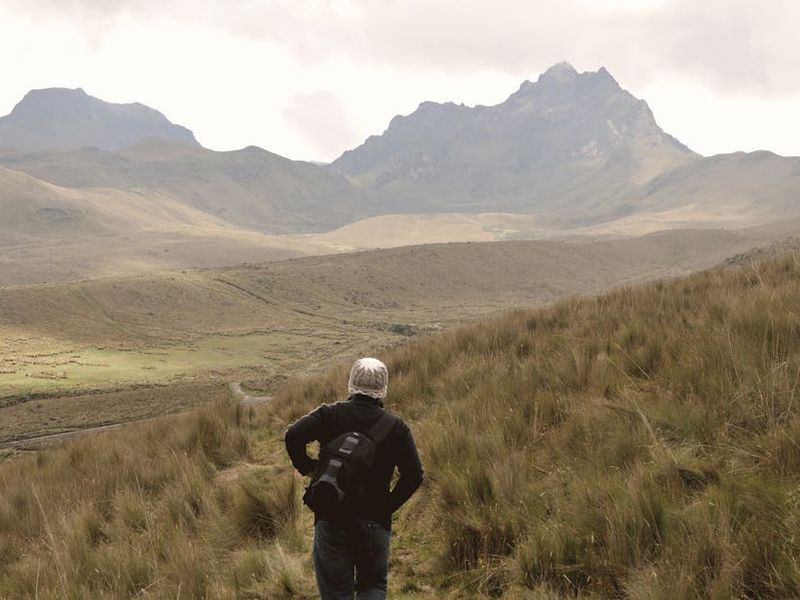
Full day: Reserve a day trip to El Cajas National Park, 30–40 minutes drive from Cuenca. The park’s páramo landscape has dozens of glacial lakes and rolling moorlands—ideal for hikes of varying difficulty. Bring water, sunscreen, a windproof jacket, and sturdy shoes. On clearer days you’ll see dramatic reflections of the Andes in the high-altitude lagoons.
Tips: Tours often include a guide and transportation; if self-driving, watch for sudden weather shifts and give yourself plenty of time to return before dark.
Day 5 — Market Towns: Gualaceo and Chordeleg
Full day: Take a short trip to the artisan towns of Gualaceo and Chordeleg. Gualaceo is known for textiles and markets where you can find woven goods, while Chordeleg is famous for silverwork and hand-crafted jewelry—perfect for unique, locally-made souvenirs.
Afternoon: Stop for lunch in one of the small eateries near the market and sample regional corn- and potato-based dishes. Shopping here supports family workshops and cooperatives.
Day 6 — Ingapirca and History Beyond the City
Full day: Head to Ingapirca, Ecuador’s most significant Inca ruins, located a couple of hours from Cuenca. The site’s Temple of the Sun and stonework reveal a blend of Inca and Cañari influences and make for a fascinating archaeological day trip. Guides are available on site to explain the site’s alignment and construction.
Evening: Return to Cuenca and enjoy a relaxed dinner—this is a good night for something light like a trout preparation, a local specialty thanks to the rivers around the city.
Day 7 — Slow Morning, Shopping, and a Sunset View
Morning: Revisit a favorite café for a relaxed breakfast. Get last-minute souvenirs—look for hand-stitched scarves, Panama-style hats (often made locally and sold as “Sombrero de Paja” though widely known as Panama hats), and silver filigree jewelry.
Afternoon: Explore small museums you missed—there are several niche museums of modern art and regional culture. Take a final, long walk along the Tomebamba River and through Parque Calderón to enjoy the everyday rhythms of the city.
Evening: For your last night, head up to the Turi viewpoint for panoramic views of Cuenca at sunset. The church at Turi and surrounding plaza offer small restaurants where you can toast your trip with a local craft beer or pisco sour.
Where to Eat: Local Favorites and Smart Choices
Cuenca’s food scene ranges from street food stalls to upscale restaurants. Key dishes to try include:
- Hornado – slow-roasted pork commonly served with mote and corn.
- Locro de papa – hearty potato and cheese soup.
- Cuy – a traditional Andean delicacy (roasted guinea pig), best tried at reputable establishments.
- Trucha – fresh trout from local rivers, often served fried or grilled.
- Helado de paila – artisanal sorbet made in a large metal pan, often fruit-based.
For coffee, look for neighborhood roasters and independent cafés—baristas are proud of their beans and will often have beans from nearby micro-lots. For a splurge, book a restaurant with a contemporary take on Ecuadorian cuisine; for budget meals, the markets are unbeatable for flavor and price.
Practical Tips: Money, SIM Cards, Safety, and Health
Money and Cards
The US dollar is the official currency. Most businesses accept cards, but smaller markets and taxis are often cash-only—carry small bills. ATMs are widely available in the city center, and banks are trustworthy; watch for ATM fees from your home bank.
SIM Cards and Connectivity
Major carriers like Claro and Movistar offer prepaid SIM cards and data packages. Bring your passport when purchasing SIMs. Wi-Fi is common in cafes and hotels, but a local SIM helps with navigation and ride apps.
Safety and Health
Cuenca is considered relatively safe compared to larger Latin American cities, but petty theft can occur—use common-sense precautions: keep belongings secure, avoid poorly lit streets at night, and use hotel safes. Drink bottled water if you have a sensitive stomach; many locals use filtered water. If you experience altitude discomfort, take it easy the first day and stay hydrated.
Where to Stay: Neighborhoods and Styles
Historic center: ideal if you want to be within walking distance of major sights, plazas, and restaurants. Expect colonial buildings, boutique hotels, and a lively atmosphere.
El Barranco: for a quieter, arts-focused vibe with galleries and riverside views.
Suburban neighborhoods like Yanuncay or Avenida España: more residential and often offer larger rentals and quieter nights while still being close to the center by taxi.
Shopping and Souvenirs: What to Bring Home
Cuenca’s artisan traditions are strong. Look for:
- Panama-style hats (often woven in Ecuador) – choose a reputable vendor and check the weave quality.
- Silver filigree jewelry from Chordeleg—beautiful and delicate work.
- Handwoven textiles from Gualaceo—blankets, scarves, and table runners in vibrant Andean patterns.
- Ceramics and contemporary art pieces from galleries in El Barranco.
When buying, practice a little bargaining at markets—vendors expect friendly negotiation—and always ask about care instructions for textiles and silver.
Events and Timing: When to Visit
Cuenca is enjoyable year-round. The dry season (June to November) is generally sunnier and better for hiking; the wetter months (December to May) bring lush landscapes and fewer tourists. Check local listings before you travel because religious festivals and civic celebrations—Semana Santa and local patron saint days—can be colorful and offer unique cultural experiences, but they also affect opening hours and availability.
Final Travel Tips and a Simple Packing List
Pack layers: temperatures swing between sunny afternoons and cool nights. Essentials include sunscreen, a hat, comfortable walking shoes, a waterproof jacket, and a reusable water bottle. Bring a portable charger for long day trips, and a lightweight daypack for hikes and markets.
Learn a handful of Spanish phrases—locals appreciate the effort, and it opens doors to better service and conversations. Finally, slow down: Cuenca rewards travelers who linger, sample street foods, sit with a cup of coffee, and let the city’s rhythm shape the day.
Parting Thought
A week in Cuenca is enough to fall in love with its mixture of heritage and contemporary life. Between museum mornings, market afternoons, and mountain day trips, you’ll leave with memories of warm people, striking architecture, and a slower pace that sticks with you long after the trip ends.
Adam Elliot Altholtz serves as the Administrator & Patient Coordinator of the “Smilehealth Ecuador Dental Clinic“, along with his fellow Expats’ beloved ‘Dr. No Pain‘, right here in Cuenca, Ecuador, and for purposes of discussing all your Dental needs and questions, is available virtually 24/7 on all 365 days of the year, including holidays. Adam proudly responds to ALL Expat patients from at least 7:00am to 9:00pm Ecuador time, again every single day of the year (and once more even on holidays), when you write to him by email at info@smilehealthecuador.com and also by inquiry submitted on the Dental Clinic’s fully detailed website of www.smilehealthecuador.com for you to visit any time, by day or night. Plus, you can reach Adam directly by WhatsApp at +593 98 392 9606 -or by his US phone number of 1‐(941)‐227‐0114, and the Dental Clinic’s Ecuador phone number for local Expats residing in Cuenca is 07‐410‐8745. ALWAYS, you will receive your full Dental Service in English (NEVER in Spanish), per you as an Expat either living in or desiring to visit Cuenca by your Dental Vacation, plus also to enjoy all of Ecuador’s wonders that are just waiting for you to come arouse and delight your senses.