
Table of Contents
Why Cuenca Is a Smart Choice for a Dental Vacation
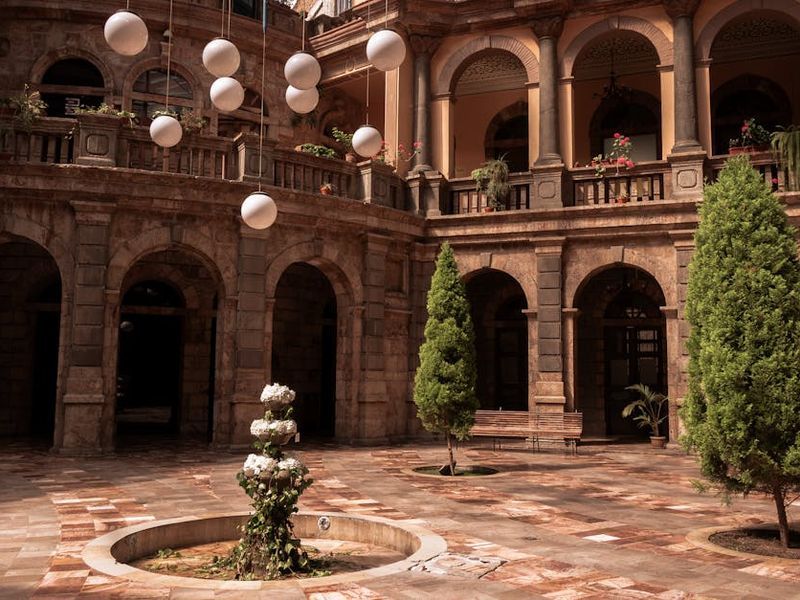
Cuenca’s colonial charm and modern medical infrastructure make it a top pick for people looking to pair dental treatment with a relaxing trip. The city blends walkable historic districts, affordable prices, and bilingual dental teams, so you can receive quality care without the stress and sticker shock of treatment at home. Ecuador uses the US dollar, which simplifies budgeting, and many clinics cater to international visitors with digital records and English-speaking staff.
What Treatments Work Best for a Short Medical Stay
Not every dental procedure fits neatly into a weeklong vacation. Choosing treatments that match your available time will keep your trip restorative rather than rushed.
- Quick trips (2–4 days): Cleanings, fillings, root canal starts/finishes, uncomplicated crowns if the lab can turn them fast, and professional whitening.
- Moderate stays (5–10 days): Multiple crowns or veneers, non-complicated extractions, and some removable prosthetics. You’ll have time for follow-ups and minor adjustments.
- Longer plans (2 weeks+ or staged visits): Dental implants commonly require staged care (surgery then prosthetic phase), bone grafts, and complex full-mouth restorations—plan for multiple visits or longer stays.
Step 1 — Do Your Homework: Vet Clinics and Dentists
Start by collecting recommendations from expat forums, recent patient reviews, and social media groups focused on Cuenca. Look for clinics that publish before-and-after photos, explain materials (zirconia, e.max, titanium implants), and offer treatment timelines. Ask for the lead dentist’s qualifications, license number, and continuing education details; in Ecuador, local dental associations can often verify credentials. Request references and see if the clinic will provide a written treatment plan and digital copies of any radiographs or 3D scans.
Questions to Ask Before Booking
- Will you provide a detailed written estimate in USD and a payment schedule?
- Is an initial remote consultation possible by video or email?
- What lab does the clinic use, and how long will crowns or prostheses take?
- Are there emergency contacts and protocols for post-op complications?
- Does the clinic provide multilingual support or a translator?
Step 2 — Timing and Travel Logistics
Cuenca sits at about 2,560 meters (8,400 feet). Many visitors find symptoms of mild altitude adjustment—shortness of breath with exertion or slightly elevated heart rate—in the first 24–48 hours. Schedule your dental surgery for at least one full day after arrival to give your body time to acclimatize. If you are sensitive to altitude or have cardiovascular concerns, consult your doctor before travel and consider arriving 2–3 days early.
Getting There and Around
Cuenca has a regional airport (Mariscal Lamar) with domestic connections, and most international routes arrive through Quito or Guayaquil. Taxis from the airport are common; have your hotel arrange a pickup or use authorized taxi stands. Cuenca’s city center is very walkable—many clinics are within easy reach of the historic center and accommodation options. For direction-heavy day trips, local bus services and licensed taxis are available; carry small bills for fares.
Step 3 — Budgeting: What to Expect Costs-Wise
Dental care in Cuenca typically costs substantially less than in the US, Canada, or Western Europe, even when you include airfare and lodging. Typical price ranges (estimate only) are:
- Cleaning: $30–$60
- Composite filling: $40–$120
- Porcelain crown: $200–$600
- Dental implant (surgical + crown): $800–$2,000
- Veneers: $250–$700 each
Ask clinics for a full breakdown of materials, lab fees, and potential extra charges. Many clinics accept credit card payments and cash (remember, Ecuador uses the US dollar). Get archived receipts and a final treatment report if you plan to claim reimbursement from your insurer at home.
Step 4 — Booking Your Stay: Where to Rest and Recover
Choose a quiet, comfortable accommodation within easy reach of your clinic. The historic center (Centro Histórico) offers charming colonial buildings and many clinics, but if you prefer quieter nights, neighborhoods like San Sebastián or Pueblo Nuevo provide calmer avenues and good access to parks and cafes. Look for a place with reliable Wi-Fi, a kitchenette for soft meals, and a receptionist or host who can help arrange taxis and last-minute pharmacy runs.
Comfort Tips for Recovery
- Ask for an adjustable pillow and extra blankets—Cuenca’s evenings are cool.
- Make grocery runs early: buy soft-food staples like avocados, yogurt, eggs, soup, and bananas for the first few days.
- Confirm laundry and light cleaning options so you don’t need to exert yourself while recovering.
Step 5 — The Day of Treatment: What to Bring and Expect
Bring your passport, list of medications, copies of any recent dental x-rays, and a comfort kit: lip balm, a small pillow, sunglasses, and bottled water. Clinics will usually provide local anesthesia; for sedation, verify the anesthetic credentials and facilities. Expect the staff to review risks and post-op instructions carefully—pay attention and ask for written aftercare in English if you need it.
Immediate Post-Op Care
Follow your dentist’s instructions on swelling control, oral hygiene, and medication. Typical guidance includes using cold packs for the first 24 hours, sleeping with your head elevated, avoiding straws, and sticking to soft or lukewarm foods. If you have an implant or extraction, avoid heavy lifting and strenuous routine for at least 48–72 hours. Many clinics provide a local pharmacy list where you can fill prescriptions without a long wait.
Step 6 — Recovery-Friendly Things to Do in Cuenca
Cuenca’s slow pace is ideal for low-impact recovery. Here are gentle activities that won’t strain your healing mouth:
- Stroll the Parque Calderón and the stone streets of the historic center—easy on the feet and full of scenery.
- Sip coffee at a quiet café near the Tomebamba River while reading or planning your next appointment.
- Visit artisanal markets for lightweight souvenir shopping—avoid crowded market days if swelling makes you sensitive to jostling.
- Take a short drive to a nearby hot spring if your dentist approves gentle thermal baths; avoid intense thermal exposure immediately after surgery.
Step 7 — Follow-Up, Warranties, and What Happens Next
Before you leave, schedule any necessary follow-up appointments and request a clear protocol for complications (who to call, where to go). Many clinics offer a warranty on prosthetic work—get the terms in writing, including what follow-up visits are covered and how adjustments are handled if you return home. If your treatment requires lab fabrication (crowns or veneers), ask whether the clinic will ship any interim restorations or provide digital impressions that your dentist at home can use for continuity.
Returning Home: Keep a Record
Take digital photos of the completed work and save copies of all radiographs, treatment notes, and invoices. These documents will speed any future consultations with dentists in your home country and may be required by your insurance for reimbursement.
Safety, Legal and Health Considerations
Cuenca is considered one of Ecuador’s safest larger cities, but usual travel precautions apply: keep valuables secure, use licensed taxis, and stay in well-reviewed accommodations. Concerning health, check with your primary care physician about antibiotics, blood thinners, or other medications that can affect dental treatment. If you have chronic conditions or are immunocompromised, ask whether the clinic’s sterilization protocols and facility standards meet your risk profile.
Practical Tips From Expats and Repeat Visitors
- Bring a short list of phrases or use a translation app—most clinics have at least one English-speaking staff member, but knowing basic Spanish helps.
- Communicate clear expectations about aesthetics—if shade-matching is important, ask to approve shades in daylight on your last visit.
- Whenever possible, obtain a second quote—differences in materials and lab quality explain much of the cost variation.
- Consider arriving on a weekday morning to avoid any weekend delays and to let the clinic schedule your follow-up before you depart.
Sample Itineraries
Here are two example plans to help you visualize your trip:
Short restorative trip: 4 days
- Day 1: Arrive, rest, light walk in the historic center.
- Day 2: Initial dental visit—cleaning, digital x-rays, treatment plan, first fillings or impressions taken.
- Day 3: Continue with crowns/veneers or final polishing; post-op review in late afternoon.
- Day 4: Final check-up, pick up prescriptions, depart.
Implant or multi-stage care: 10–14+ days
- Days 1–2: Arrival and acclimatization.
- Days 3–4: Surgical placement of implants; rest for 48–72 hours with light activity.
- Days 5–10: Healing and follow-ups; soft diet and gentle sightseeing.
- Day 11+: Prosthetic impressions and fitting if an immediate load protocol is used; otherwise plan a return visit in 3–6 months.
Final Thoughts: Make It a Vacation Worth Remembering
Dental care in Cuenca can be an opportunity to address oral health needs while soaking up a relaxed, culturally rich experience. With careful planning—verifying clinics, allowing time for acclimatization and recovery, and arranging clear follow-up—you can combine effective treatment with restful days exploring one of Ecuador’s most beautiful cities. Book conservatively, bring patience, and you’ll have teeth that look great and a trip that leaves you refreshed.
Ready to begin? Start by lining up 2–3 clinics for remote consultations and compare treatment plans and timelines. A calm, well-planned dental vacation in Cuenca is absolutely achievable and can be the restorative escape you’ve been waiting for.