
Table of Contents
Why Cuenca Is the Best Place for Dental Crowns and a Perfect Recovery
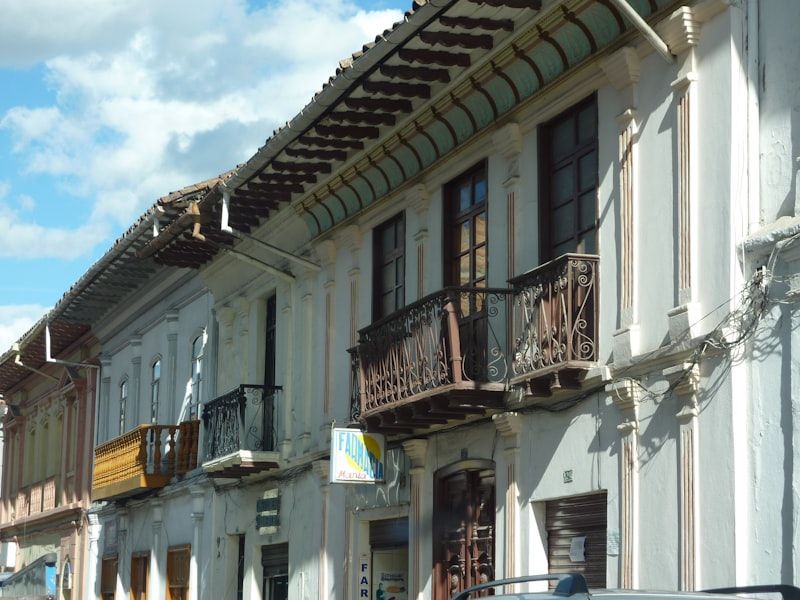
If you’re getting a dental crown, implant, or veneer, choosing Cuenca, Ecuador, for your care is about far more than price. Cuenca is a global dental tourism leader because it combines dramatically lower costs — typically 60–70% less than the U.S. and Canada — with highly trained dentists, modern clinics, and a gorgeous, healing setting. While your permanent crown is being fabricated, the city offers a calming and invigorating backdrop for recovery: colonial streets, river walks, thermal baths, museums, and easy day trips to the Andes.
Cuenca’s dental clinics often feature cutting-edge technology like digital impressions, CAD/CAM milling systems, CEREC same-day options, cone-beam CT (CBCT) imaging, and strict sterilization protocols — the same tools you’d expect at top clinics anywhere in the world. Many dentists trained at top Ecuadorian and international universities (including Universidad de Cuenca and other recognized institutions) and often pursue continuing education in the U.S., Europe, or Latin America. Add bilingual staff, short wait times, and personalized one-on-one attention, and you get excellent care plus an unforgettable vacation.
Understanding the Timeline: How Long Does It Take to Make a Crown?
Knowing the timeline helps you plan activities that match your recovery needs. Traditional crowns often require two visits: the first for preparation and impressions, and the second for cementation after the lab fabricates the crown — usually 3–7 days depending on the clinic and lab. Many advanced clinics in Cuenca offer same-day crowns via CAD/CAM milling (CEREC), allowing you to leave with a permanent crown the same day.
When you’re facing a 2–5 day turnaround, it’s the perfect window for gentle sightseeing and low-impact activities. If you opt for same-day service, you might enjoy a shorter, relaxed itinerary while waiting for anesthesia to wear off and to ensure bite comfort. In all cases, clinics in Cuenca often maintain short appointment lead times, so you won’t be waiting weeks to start your treatment — another advantage over many other dental tourist destinations.
Healing-Friendly Activities in the Historic Center
Cuenca’s compact Centro Histórico is ideal for low-impact exploration immediately after dental work. The altitude is mild compared to higher Andean cities, and the city’s walkable core makes it easy to get around.
- Parque Calderón: A flat, scenic square surrounded by cafes and the striking New Cathedral (Catedral de la Inmaculada Concepción). Perfect for a gentle stroll and people-watching between follow-up appointments.
- Tomebamba River walks: Riverside promenades with benches and shade — ideal for rest and short walks to keep circulation moving without strain.
- Local cafés: Cuenca’s café culture is strong. Choose soft foods like smoothies, yogurts, or avocado toast while verifying hot beverages are at a comfortable temperature after anesthesia.
- Artisan markets: Mercado de las Flores and Mercado 9 de Octubre offer handicrafts and light browsing. Shopping supports local artisans and keeps you seated when needed.
Quiet Cultural Activities for Recovery Days
After dental procedures, low-energy cultural activities are excellent. They let you enjoy Cuenca’s heritage while staying comfortable.
- Museo Pumapungo: A relaxed museum with archaeological and ethnographic exhibits and an onsite garden. Benches and accessible paths make it friendly for recovery days.
- Museo del Sombrero de Paja Toquilla: Learn about Ecuador’s famous Panama hats (which are actually from Ecuador) with short guided tours and comfortable seating.
- Art galleries: Cuenca’s galleries are small and serene — a quiet way to appreciate contemporary and indigenous art without tiring yourself.
Natural Escapes: Gentle Outdoor Options Near Cuenca
If you’re feeling up for light adventure, Cuenca’s surroundings offer many low-impact natural outings that are ideal while waiting for a crown to be made.
- El Cajas National Park: A short drive away, El Cajas has easy, well-marked trails and breathtaking highland lakes. Opt for low-elevation viewpoints and short loop walks if you’re still sensitive.
- Hot springs and spas: Nearby thermal baths like those in Baños or in local spa centers provide soothing hydrotherapy. Confirm your dentist’s guidance regarding heat exposure after treatment.
- Birdwatching along the rivers: Cuenca’s birdlife is rich and visible from riverside paths — a restful activity that pairs well with light walking and photography.
Food Tips: Eating Safely and Enjoyably After Crown Prep
Food is a big part of the travel experience, and Cuenca’s culinary scene is welcoming. After having a crown prepared, you’ll likely have a temporary crown or be sensitive to chewing. Follow these practical tips:
- Stick to soft foods for the first 48–72 hours: soups, purees, mashed potatoes, scrambled eggs, and Ecuadorian favorites like humita (steamed corn pudding) and locro de papa (potato cheese soup).
- Avoid very crunchy, sticky, or extremely hot foods until your numbness fully subsides and your permanent crown is set.
- Try local desserts like arroz con leche or soft fruit cups — they’re delicious and gentle on teeth.
- Many restaurants in the Centro Histórico and near clinics cater to tourists and will gladly modify dishes if you explain your dental needs.
Wellness and Recovery: Spas, Yoga, and Gentle Movement
Cuenca is known for its relaxed pace — a built-in benefit for dental recovery. Numerous spas, wellness centers, and yoga studios offer low-impact routines perfect after dental procedures. A restorative yoga session, a gentle guided meditation, or a deep-tissue massage (avoiding the jaw area early on) can help reduce stress and support healing.
Look for treatments with English-speaking therapists and those that emphasize relaxation over intense physical manipulation. Many hotels and boutique properties in Centro Histórico offer in-house spa services, making it easy to rest between dental appointments.
Short Day Trips That Don’t Strain You
Cuenca’s location allows easy day trips that are manageable even during recovery. Choose tours with private transport and minimal walking.
- Gualaceo and Chordeleg: Traditional towns known for silver jewelry and textiles — short drives with leisurely shopping and coffee stops.
- Ingapirca: Ecuador’s largest Inca ruins, reachable by a comfortable day tour. Guides usually accommodate visitors who need a slower pace.
- Local craft villages: Visit ceramic and weaving workshops where you can sit and watch artisans at work — fascinating and restful.
Practical Dental-Tourism Tips for a Smooth Visit
To make the most of your dental vacation in Cuenca, plan a few key things in advance.
- Choose clinics with transparent pricing and services: Many Cuenca clinics list costs for crowns, implants, and veneers — and with typical savings of 60–70% compared to North American prices, you’ll get outstanding value. Ask for a written treatment plan and cost breakdown.
- Confirm technology and credentials: Check that clinics use digital X-rays, CBCT scans if needed, and CAD/CAM systems. Ask where dentists trained — many attended Universidad de Cuenca or national and international programs and continue with advanced courses.
- Ask about same-day options: If you want minimal downtime, inquire about CEREC or in-house milling for same-day crowns. Even if your crown needs lab time, Cuenca labs often deliver quickly and accurately.
- Arrange recovery-friendly lodging: Stay near the clinic in Centro Histórico or a nearby neighborhood so you can walk to appointments and rest easily between visits.
- Bring necessary items: Pack a soft-food kit (protein shakes, protein bars that are soft, instant soups), over-the-counter pain relievers approved by your dentist, and any prescription meds.
- Plan a flexible schedule: Allow a few extra days for follow-up or minor adjustments; the short wait times and attentive care in Cuenca make scheduling easier than in many places.
Personalized Care: The Cuenca Difference
One of the strongest reasons Cuenca is ideal for dental tourism is the personalized, one-on-one care patients report. Clinics often limit daily patient loads, so dentists spend more time with each person, explaining options and ensuring follow-up. This is a major convenience for implant cases, complex restorative work, and aesthetic treatments like veneers.
Many clinics offer bilingual coordinators who help with logistical details — arranging transfers, booking labs, and even suggesting recovery-day activities. The individualized attention helps you feel secure and supported, which is especially valuable when you’re traveling for health care.
Safety, Infection Control, and Clinic Standards
Modern Cuenca clinics adhere to international infection-control protocols: disposable sterilization, medical-grade autoclaves, HEPA-filtered operatories, and digital records. Clinics using CBCT and digital impressions reduce appointment times and increase precision for crowns, implants, and veneers. Before booking, ask for details about sterilization procedures, lab partnerships, and warranty policies on prosthetics.
Combining Cosmetic Treatments: Crowns, Veneers, and Implants
Cuenca is not just for single crowns. The city excels in comprehensive smiles — from implants to veneers and full-mouth restorations — often at a fraction of North American cost. Many patients combine procedures into a single trip: initial consultations, extractions, implant placement, temporary restorations, and final crowns or veneers during a second visit weeks later. Clinics work with patients to create phased treatment plans that fit budgets and travel timelines.
The financial value is hard to overstate: a full-mouth set of crowns or multiple implants can cost 60–70% less here, even with flights and lodging included. That allows many patients to opt for higher-quality materials or additional aesthetic enhancements they might otherwise forgo.
Sample 3-Day Itinerary While Your Crown Is Being Made
Here’s a gentle sample plan that blends recovery-friendly activities with cultural discovery while your lab crafts a crown over 48–72 hours:
- Day 1 (Procedure day): Morning: dental prep and temporary crown. Afternoon: rest at your hotel, gentle riverside walk, soft dinner at a nearby café.
- Day 2: Morning: visit Museo Pumapungo and the local artisan market. Afternoon: spa treatment or restorative yoga. Evening: early dinner with a soft Ecuadorian specialty.
- Day 3: Short day trip to Chordeleg for silver and jewelry, with plenty of seating. Return for final crown placement or follow-up appointment.
Final Follow-Up and Warranty: What to Expect
Reputable Cuenca clinics provide post-treatment follow-up and warranties on crowns and restorations. Before traveling, confirm the length and terms of any warranty, who covers shipping for replacement parts if needed, and the process for follow-ups either in person or via telehealth. Many clinics are committed to your long-term satisfaction and will coordinate with your local dentist if you return home and need an adjustment.
Final Thoughts: Turn Your Dental Work into a Memorable Vacation
Choosing Cuenca for dental crowns means choosing exceptional value, world-class professionals, modern dental technology, and a beautiful, calming place to recover. With dramatic cost savings, short wait times, personalized care, and countless low-impact activities, you can transform what would otherwise be downtime into a restorative, culturally rich mini-vacation. Whether you need a single crown, multiple implants, or a cosmetic overhaul with veneers, Cuenca delivers high-quality dentistry and unforgettable experiences — all while protecting your recovery and comfort every step of the way.
Plan carefully, pick a clinic with clear credentials and technology, schedule restful activities, and you’ll return home with a durable new crown and memories of one of South America’s most charming cities.