
Table of Contents
Why Cuenca is a Great Base for Outdoor Adventure
Cuenca’s colonial streets and cool mountain air make it a delightful place to live and visit, but the city’s best attractions lie just beyond the historic center. At roughly 2,560 meters (8,400 feet) above sea level, Cuenca sits on the edge of several ecosystems—paramo, cloud forest, river valleys and deep canyons—so you can hop from easy nature walks to high-altitude hikes and technical mountain bike trails in under two hours. This guide highlights reliable, varied outdoor options near Cuenca and gives practical advice to help you choose the right trip for your fitness, interests and schedule.
Top Destinations for Hiking Near Cuenca
Parque Nacional Cajas: Lakes, windswept paramo and high-altitude hiking
Cajas National Park is the most famous natural area near Cuenca and a must for hikers. Located about a 45–60 minute drive west of the city, Cajas stretches from roughly 3,100 to 4,450 meters in elevation and hosts hundreds of glacial lakes set among rolling paramo hills. Trails range from short walks around lagoons to full-day routes across exposed ridges.
Popular hikes include the Laguna Toreadora circuit (moderate, 3–4 hours), the longer trek linking several lagunas (6–8 hours), and shorter lakeside loops great for acclimatization. Expect strong sun, wind and sudden weather changes—bring layers, sun protection and moth- and water-resistant footwear. Watch for endemic birds like the Andean waterfowl and hardy páramo plants such as cushion moss and chuquiragua.
Ingapirca: Combine culture and a scenic walk
About 80–90 km north of Cuenca (roughly 1.5–2 hours by car or bus) sits Ingapirca, the most important Inca archaeological site in Ecuador. While its stone structures are the main draw, the surrounding hills offer gentle trails with sweeping valley views—ideal for a half-day outing combining history and easy hiking. Bring a hat and water; mornings are cooler and clearer for photography.
Girón and El Chorro: Waterfalls and local trails
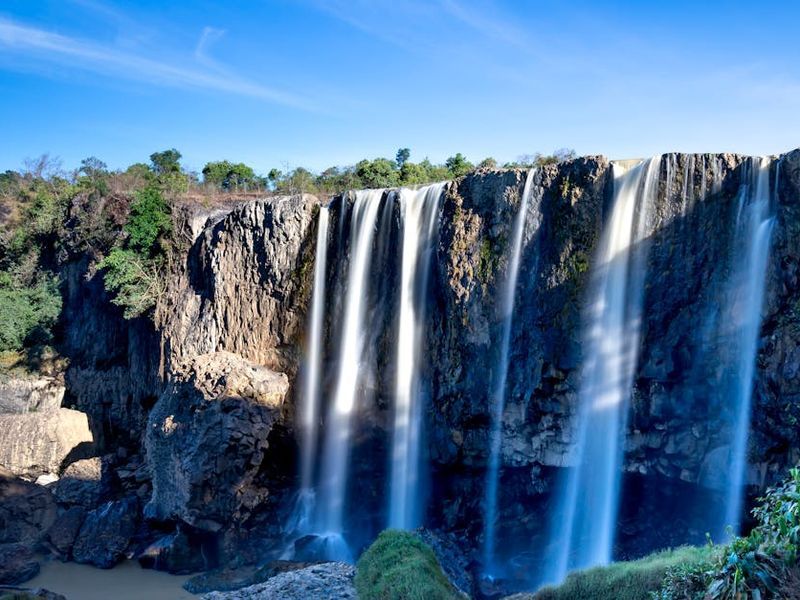
The Girón valley, southeast of Cuenca, leads to El Chorro (the waterfall) and a series of lush trails that descend into cloud forest pockets. These routes are excellent for a half-day hike and birdwatching excursions—look for hummingbirds and other cloud-forest species. Trails can be muddy in the rainy season, so wear grippy shoes and consider a guided trip if you want local insight and transport.
River Valleys and Small Reserves: Short walks with big rewards
If you have only a few hours, explore the riverside parks and green corridors running through and just outside Cuenca—such as the Tomebamba and Yanuncay river walkways. These easy, scenic trails are perfect for morning or evening strolls and provide an accessible way to enjoy native trees, small wetlands and urban birdlife without leaving the city.
Top Mountain Biking Routes Near Cuenca
Carretera to Cajas and back: A high-country ride
For road cyclists and gravel bikers, the rolling, wind-swept road up to Cajas makes a memorable day-trip. You’ll climb from Cuenca’s bowl up to the park’s entrance, with dramatic vistas and thin air—perfect for training. Turn off to explore gravel tracks and descent options, but be prepared for strong headwinds on the plateau. This ride suits experienced cyclists comfortable with high-altitude climbs and variable weather.
Singletrack around the city: Flow trails and technical descents
Between the hills and agricultural terraces surrounding Cuenca, you’ll find a network of singletrack and farm tracks suitable for cross-country and enduro-style riding. Local riders have established routes with a mix of flowing sections and steep, technical descents. If you’re new to the area, join a local guided mountain bike tour—guides know the best lines, carry spares and can match routes to your skill level.
Valley loops to Gualaceo and Chordeleg: Gentle countryside pedaling
For a relaxed day of pedaling, head east toward the subtropical valleys such as Gualaceo and Chordeleg. These lower-altitude routes are warmer and showcase orchards, small towns, and artisan villages—perfect for riders who want cultural stops along the way. Keep in mind that some roads are paved while others are hard-packed gravel; a wider-tire gravel bike or front suspension mountain bike works well here.
Nature Walks and Easy Day Trips for All Fitness Levels
Urban greenways: Easy, scenic and accessible
Cuenca’s greenways along the Tomebamba and Yanuncay rivers are ideal for families and those easing into outdoor activity. These flat, paved or compacted-earth paths connect parks, plazas and cafes—making them perfect for a relaxing morning walk, birdwatching, or a lunch stop at a riverside restaurant.
Community trails and micro-reserves
Many small communities around Cuenca maintain short trails and natural reserves that spotlight local flora and fauna. These spots are great for short excursions, community-based tours and photographic walks. Ask at hostels and tourist offices for recommended local guides who can offer cultural context and take you to lesser-known natural spots.
Seasonal Considerations: When to Go
Cuenca’s climate is temperate with a distinct dry season (roughly June through September) and a rainy season (December through April). The dry months are ideal for hiking and mountain biking because trails are firmer and visibility is better. However, afternoons in the rainy season can still be pleasant—just expect short, heavy showers and mud.
For wildlife and birdwatching, the shoulder months (May and October) can be excellent: vegetation is lush, and migratory birds may be passing through. Always plan morning departures; highland weather tends to clear in the morning and turn stormy in the afternoon.
Practical Tips: Transport, Costs and Permits
Getting there from Cuenca
- Car or taxi: The fastest and most flexible way to reach trailheads like Cajas and Girón. Expect to negotiate fares for round-trip service if you don’t have a rental car.
- Public bus: Economical and reliable to towns such as Cañar (for Ingapirca) and Girón; from there local buses or taxis take you closer to trailheads. Bus schedules change seasonally—confirm times ahead.
- Guided tours: Many tours include transport from downtown Cuenca, park fees, and a guide—ideal if you want logistics sorted and local knowledge.
Fees and permits
National parks like Cajas typically charge a modest entrance fee, payable at park gates. Other community-run reserves may suggest small donations. Ingapirca has an entrance fee and usually a separate museum fee; these funds support conservation and maintenance. No special permits are required for most day hikes, but for multi-day backcountry camping in Cajas or other protected areas, check park regulations and ask at the visitor center.
Costs to budget for
- Round-trip transport to Cajas by taxi: $30–60 depending on negotiation and vehicle sharing.
- Guided half-day hike: $25–50 per person depending on group size and inclusions.
- Bike rental: Varies by shop, roughly $10–30 per day for mountain or gravel bikes.
- Park entrance fees: Typically a few dollars for domestic and international visitors; check current prices online or at the park gate.
Packing List and Safety Advice
Even for short hikes, pack as if you’re heading into variable mountain weather. A sensible daypack should include:
- Layered clothing (base layer, insulating mid-layer, wind/rain shell)
- Sun protection (hat, sunscreen, UV sunglasses)
- Water and snacks—altitude increases thirst and calorie needs
- Sturdy footwear (trail runners or hiking boots) and quick-dry socks
- Map, compass or GPS; paper map as backup
- Basic first-aid kit, blister supplies and any personal meds
- Headlamp or flashlight if you might end after dark
- Small trash bag—pack out what you bring in
Altitude is a real factor. Spend your first day in Cuenca taking it easy—walk the cobblestone streets, drink plenty of water, and avoid heavy exertion on day one if you arrive from near sea level. Symptoms of altitude sickness (headache, nausea, dizziness) warrant slowing down and descending if they worsen.
Guided vs. Independent: Which Should You Choose?
Both approaches have advantages. Guided trips are ideal if you want logistical simplicity, local ecological knowledge, bilingual guides and the safety of someone who knows the trails well. Independent outings give you flexibility and often lower cost—but require planning: transportation, route research, and awareness of changing weather. If you’re new to Ecuadorian highland terrain, take at least one guided day to learn the area and trail conditions.
Local Resources: Where to Rent Gear and Find Guides
In Cuenca you’ll find outdoor shops in and around the historic center and neighborhoods near major parks. Hostels, adventure travel agencies and community tourism offices can recommend trusted bike rental shops and certified guides. When selecting a guide or operator, ask about experience, group size limits, safety gear, and cancellation policies.
Respecting Nature and Local Communities
Responsible outdoor recreation helps protect the landscapes you enjoy. Stick to trails to avoid fragile páramo vegetation, pack out all trash, respect private land boundaries, and ask permission before entering community lands. If you hire a guide or buy food/handicrafts from towns along the way, you support local economies and strengthen conservation incentives.
Sample Itineraries
Half-Day: City Greenway + Short River Walk
Start with a morning coffee at a café near Parque Calderón, then stroll the Tomebamba riverwalk for birdwatching and photography. Stop for a late lunch at a riverside restaurant and end with an afternoon visit to the botanical garden or a local mercado.
Full-Day: Cajas National Park Circuit
Depart Cuenca early for Cajas. Hike a 6–8 hour circuit that visits two to three lagunas, enjoy picnic lunch with panoramic views, then return in the late afternoon. This itinerary suits fit hikers acclimated to the altitude.
Multi-Day: Ingapirca + Nearby Trails
Combine a morning at Ingapirca with a nearby valley walk or bike ride. Overnight in a small town B&B to enjoy local cuisine, then return to Cuenca the next day at a relaxed pace.
Final Thoughts: Layer Up and Go Explore
Cuenca’s mix of cultural charm and easy access to highland ecosystems makes it a great hub for outdoor lovers. Whether you crave a gentle riverside stroll, a strenuous high-altitude hike across glacier-carved lakes, or a dusty afternoon on the saddle of a mountain bike, there are routes and experiences to match every taste. Prepare for altitude, respect the environment, and take advantage of local guides to discover hidden trails and insights that make each day outside memorable and safe.
Ready to lace up your boots or pump up your tires? Start with a half-day walk in Cuenca to acclimatize, then aim for a day in Cajas or a bike loop through the valleys—there’s no shortage of natural beauty waiting just beyond the city plaza.