
Table of Contents
Why regular dental check-ups matter — beyond just a clean smile
Regular dental check-ups are more than cosmetic maintenance. In Cuenca, as anywhere, they catch small problems before they become painful, expensive emergencies. Dentists screen for cavities, gum disease, oral cancer and signs of systemic conditions like diabetes or heart disease. For expats, regular visits also build a relationship with a local clinician who knows your medical history and can coordinate care if you need more complex procedures or emergency treatment.
How often should you see the dentist?
The traditional answer is every six months, and that’s a perfectly good baseline for most people. But frequency should be personalized. Factors that typically increase the need for more frequent visits include:
- Periodontal (gum) disease or history of deep cleanings — often every 3–4 months
- Active cavities or recent restorative work — follow-ups as your dentist recommends
- Smokers, heavy drinkers, or people with high sugar diets — more frequent monitoring
- People with diabetes or autoimmune disorders — closer surveillance because of higher infection risk
- Pregnancy — dentists usually recommend at least one check-up during prenatal care and additional visits if problems are present
When you first arrive in Cuenca, schedule an initial comprehensive exam. It establishes a baseline — X-rays, periodontal charting, and a professional cleaning — and helps your dentist recommend an interval that fits your health profile.
What happens during a typical check-up in Cuenca?
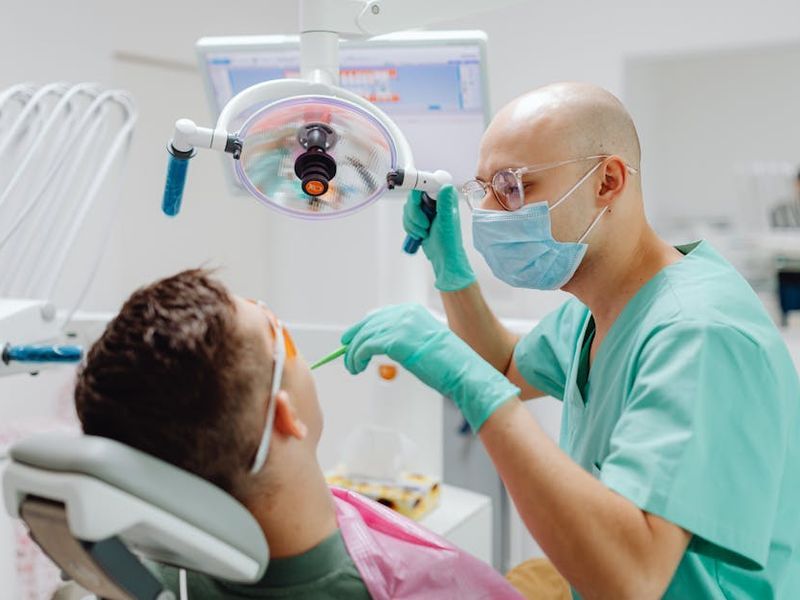
A standard visit usually includes a clinical exam and a cleaning (profilaxis). Expect the dentist to check tooth surfaces for decay, examine gum pockets, and review X-rays if needed. Many modern clinics in Cuenca use digital radiography, which reduces exposure and lets you see images immediately on a screen. If you have ongoing issues, you might get a periodontal chart, intraoral photos, or a referral to a specialist for endodontics (root canals), prosthodontics (crowns/bridges), or oral surgery.
Costs and value: what expats tend to find in Cuenca
One reason many expats are drawn to Ecuador is lower dental costs compared with the U.S. or Canada. While prices vary by clinic and the complexity of treatment, many expats report that routine cleanings are affordable and restorative work — crowns, implants and root canals — can cost significantly less while still using quality materials. Typical ranges reported by patients are cleanings for roughly $30–60, fillings for $40–120, crowns for $300–700, and implants for $800–1,800, but prices fluctuate and depend on materials, lab work, and clinic overhead.
Remember that price should not be the only consideration. Look for modern sterilization practices, transparent estimates, and a warranty or follow-up policy for restorative work. Many clinics offer guarantees for crowns and implants if you follow their maintenance guidelines.
How to find a trustworthy dentist in Cuenca
Finding the right clinician is easier than you might think if you use local resources. Start with recommendations from fellow expats — Facebook groups and neighborhood forums for Cuenca expats are full of first-hand referrals. Local pharmacies, community centers, and bilingual medical clinics can also point you to reliable dental practices. When visiting clinics, ask to see credentials and inquire whether the dentist is registered with the Ministry of Public Health of Ecuador.
Other red flags and green flags to watch for:
- Green flags: clear treatment plans in writing, visible infection control (autoclave, sealed disposables), bilingual staff or translation options, digital imaging, and a friendly follow-up system.
- Red flags: pressure to accept expensive cosmetic procedures without explanation, lack of written cost estimates, poor hygiene, or evasive answers about materials and guarantees.
Not all dentists in Cuenca speak English, though many close to the historic center and in clinics serving foreigners will have at least one bilingual staff member. If your Spanish is limited, bring a friend who can translate, use a translation app, or ask ahead whether the clinic provides English-speaking personnel. Also, bring a list of your medications and any relevant medical records from your home country — this helps the dentist avoid potential drug interactions and tailor treatment appropriately.
Dental emergencies and urgent care tips
Knowing what to do in an emergency can save a tooth. Here are practical, time-sensitive tips:
- Severe toothache: Rinse with warm salt water and take over-the-counter pain medication as directed, then see a dentist the same day if possible.
- Knocked-out tooth (avulsed): Handle by the crown only, rinse briefly without scrubbing, place the tooth back in the socket if you can, or store it in milk or saline. Reach a dentist within 30–60 minutes for the best chance of saving the tooth.
- Broken crown or filling: Keep the area clean, avoid chewing on the side, and bring the crown/piece with you to the dentist — sometimes repairs are possible.
- Swelling or signs of infection: Seek urgent care. Abscesses can spread and may require antibiotics and immediate treatment.
Most dental clinics in Cuenca can handle urgent cases during business hours; after-hours emergencies may be handled by hospital emergency departments or referred specialists.
Pediatric and senior dental care in Cuenca
Families and seniors need tailored dental plans. Pediatric dentistry focuses on prevention: fluoride varnishes, sealants for molars, and parental guidance on diet and brushing techniques. If you have children or grandchildren visiting, confirm that the clinic treats kids and ask about behavior management strategies.
Seniors often have prosthetic needs — denture fittings, adjustments, and checks for oral lesions and dry mouth (a side effect of many medications). Many clinics offer denture labs and adjustments locally, meaning you can get fast service without traveling to Quito or Guayaquil.
Cosmetic and restorative options: what to ask before committing
Cosmetic procedures are very popular with expats who want fast, attractive results at a lower cost. Options often offered in Cuenca include whitening, veneers, crowns, and implants. Before committing, get answers to these questions:
- Which material will be used (e.g., zirconia, E.max porcelain)? What are the pros and cons?
- Will the lab work be done locally or sent to a specialty lab? Can I see before-and-after photos?
- Do you provide a written estimate and a timeline?
- Is there a warranty or follow-up plan, and who handles issues if I return to my home country?
Ask about staging procedures too — sometimes dentists will do a trial smile or digital mock-up so you can preview the result.
Insurance, payment and logistics
If you have international health insurance, confirm whether dental procedures are covered and which clinics are in-network. Many expats use local private insurance plans or pay out-of-pocket and benefit from lower prices. Clinics often accept cash (USD is widely used in Ecuador), debit/credit cards, and sometimes installment plans for larger treatments. Always request a detailed invoice (factura) for your records and potential reimbursement.
If you are covered by Ecuador’s public system (IESS), check whether you need a referral and what treatments are included. Public dental clinics may have waiting lists, so many expats use a hybrid approach: routine public care for minor needs and private clinics for urgent or specialized treatments.
Maintaining oral health between visits: practical, local tips
Prevention reduces the need for invasive treatments. Simple daily routines and local considerations can make a big difference:
- Brush twice a day with fluoride toothpaste and floss daily. If your water is not fluoridated, ask your dentist about supplements or topical fluoride options.
- Watch sugary snacks and drinks — local sweet treats and juices can contain more sugar than you expect. Limit frequency rather than just quantity.
- Carry a travel dental kit when exploring the region. A small interdental brush or floss and a travel-size fluoride rinse can be lifesavers after meals on the go.
- Quit smoking and limit alcohol — both increase the risk of gum disease and oral cancer.
- Stay hydrated; dry mouth increases decay risk. If you take medications that cause dry mouth, discuss saliva substitutes with your dentist.
Useful Spanish dental terms for expats
Being familiar with a few Spanish terms can smooth communication and reduce anxiety:
- Odontólogo / Dentista — Dentist
- Limpieza / Profilaxis — Cleaning
- Empaste — Filling
- Endodoncia — Root canal
- Corona — Crown
- Implante dental — Dental implant
- Periodoncia — Periodontics / gum treatment
- Radiografía — X-ray
- Sutura — Suture or stitch
Final checklist before booking your first appointment in Cuenca
Use this quick checklist to make your first visit smoother:
- Gather ID, any dental records or recent X-rays, and a list of medications.
- Call ahead to ask about language support and estimated costs for a basic exam.
- Ask about sterilization practices and whether they use digital X-rays and modern materials.
- Request a written treatment plan and estimate before agreeing to elective work.
- Plan to be available for follow-up visits if restorative or cosmetic procedures are scheduled.
Conclusion: Regular care pays off — especially when you live abroad
Regular dental check-ups are an essential part of staying healthy in Cuenca. They prevent pain, reduce long-term costs, and help you enjoy life here without unexpected dental emergencies. With a little research — checking credentials, asking practical questions, and maintaining good home care — expats can access high-quality dental services in Cuenca that are affordable and reliable. Schedule that first comprehensive exam, build a relationship with a local dentist, and keep smiling in your new Ecuadorian home.
Adam Elliot Altholtz serves as the Administrator & Patient Coordinator of the “Smilehealth Ecuador Dental Clinic“, along with his fellow Expats’ beloved ‘Dr. No Pain‘, right here in Cuenca, Ecuador, and for purposes of discussing all your Dental needs and questions, is available virtually 24/7 on all 365 days of the year, including holidays. Adam proudly responds to ALL Expat patients from at least 7:00am to 9:00pm Ecuador time, again every single day of the year (and once more even on holidays), when you write to him by email at info@smilehealthecuador.com and also by inquiry submitted on the Dental Clinic’s fully detailed website of www.smilehealthecuador.com for you to visit any time, by day or night. Plus, you can reach Adam directly by WhatsApp at +593 98 392 9606 -or by his US phone number of 1‐(941)‐227‐0114, and the Dental Clinic’s Ecuador phone number for local Expats residing in Cuenca is 07‐410‐8745. ALWAYS, you will receive your full Dental Service in English (NEVER in Spanish), per you as an Expat either living in or desiring to visit Cuenca by your Dental Vacation, plus also to enjoy all of Ecuador’s wonders that are just waiting for you to come arouse and delight your senses.