
Table of Contents
Why regular dental check-ups are more than clean teeth
Regular dental visits do far more than brighten your smile. Routine check-ups detect cavities, gum disease and early signs of systemic health problems (like diabetes and heart disease). For expats in Cuenca, staying on top of dental care also prevents costly emergencies, keeps prosthetics and implants in good shape, and helps you adapt to local foods and water without damaging your oral health.
How often should you see a dentist in Cuenca?
General guidance is to visit for a check-up and cleaning every six months. But that frequency changes depending on your needs:
- Low risk (healthy gums, no decay): once every 6–12 months.
- Gum disease or high cavity risk: every 3–4 months for monitoring and deeper cleanings.
- Children: start by their first birthday and then follow your pediatric dentist’s schedule (often every 6 months).
- Pregnancy: a dental visit early in pregnancy is recommended; periodontal care can reduce pregnancy complications.
- After major dental work (crowns, implants): follow the dentist’s recommended follow-up schedule—usually multiple visits in the first year.
What a typical check-up involves
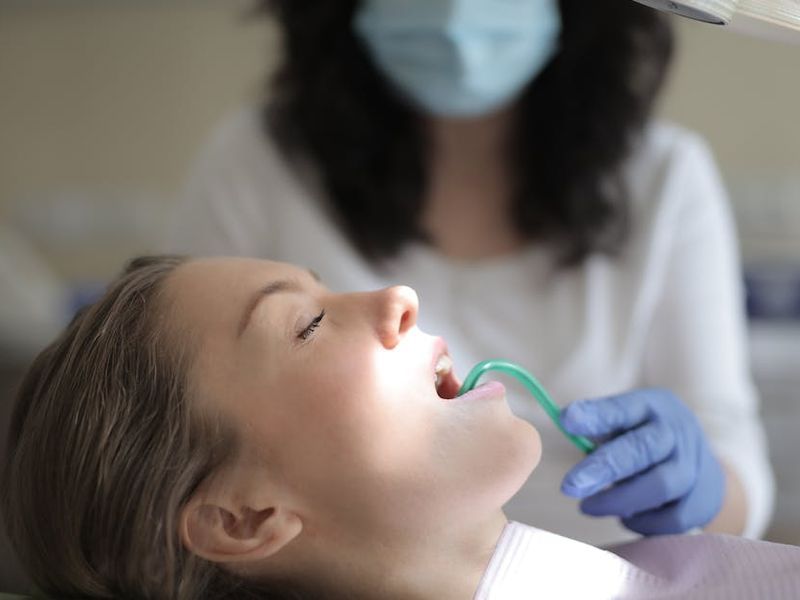
A routine appointment in Cuenca usually includes these elements:
- Medical and dental history review—important for expats who may have treatment history from another country.
- Examination of teeth, gums and soft tissues; your dentist checks for decay, gum disease, oral lesions and functional issues like clenching.
- Professional cleaning (scaling and polishing) to remove plaque and tartar that brushing can’t remove.
- X-rays if needed—digital x-rays are common at private clinics and useful for spotting problems under the surface.
- A treatment plan if problems are found, plus advice on home care and preventive options like fluoride or sealants.
Common dental concerns among expats in Cuenca
Living in a new country can change your oral health picture. Common issues expats face here include:
- Accumulated untreated decay from neglected prior care.
- Gum inflammation due to changes in diet (new fruits, sweets or coffee routines).
- Wear from bruxism (teeth grinding), often linked to stress from moving or adjusting to a new life abroad.
- Cosmetic needs—many choose Cuenca for high-quality, more affordable cosmetic dentistry.
Finding the right dentist in Cuenca — practical steps
Cuenca is known for accessible private dental care and many clinics that cater to international patients. Use this checklist when choosing a dentist:
- Ask for credentials and continuing education—many dentists in Cuenca have international training or certifications.
- Read expat forums and Facebook groups for recent patient experiences; real-world reviews help more than polished websites.
- Visit the clinic to check hygiene standards and equipment—sterilization practices and digital imaging are good signs.
- Request before-and-after photos for treatments like crowns or implants so you can judge the dentist’s aesthetic style.
- Confirm language abilities. Many dentists and staff speak English in expat-heavy neighborhoods, but bring a bilingual friend or translator if needed.
- Ask about the lab that fabricates crowns/veneers—local vs. international labs can affect turnaround and warranty options.
Costs, payments and insurance — what expats should know
Dental care in Cuenca is generally less expensive than in the U.S. or Canada, which is why many expats consider dental tourism or long-term care here. A few practical tips:
- Expect large procedures (crowns, implants) to cost a fraction of North American prices, but ask for written estimates and material details.
- Check payment methods—many clinics accept cash, debit/credit cards and sometimes international transfers. Cash payments may be discounted.
- If you have international health or dental insurance, confirm coverage for care in Ecuador and whether you need pre-authorization.
- Public health options (like IESS) exist for those enrolled in Ecuador’s social security system; most newcomers rely on private care or international plans.
Language and communication: useful Spanish phrases and questions
Even a few Spanish phrases can make dental visits smoother. Here are practical lines to use or translate for your dentist:
- “¿Habla inglés?” — Do you speak English?
- “Necesito una limpieza dental y revisión.” — I need a cleaning and check-up.
- “Me duele aquí.” — It hurts here (point to the spot).
- “¿Puede mostrarme los rayos X?” — Can you show me the X-rays?
- “¿Qué materiales usará para la corona/implante?” — What materials will you use for the crown/implant?
- “¿Cuántas visitas necesitaré?” — How many visits will I need?
Emergency dental care — what to do in Cuenca
Dental emergencies happen. Know where to go and what to do before you arrive:
- Severe pain, swelling, uncontrolled bleeding or signs of infection (fever, spreading redness) require urgent dental or medical attention—go to a clinic or emergency room.
- For a knocked-out tooth: pick it up by the crown (not the roots), rinse gently with water, try to reinsert it if possible and get to a dentist immediately. Keep the tooth in milk or saliva if you can’t reinsert it.
- Temporary filling loss or a lost crown: avoid sticky foods and bring the crown to the dentist; temporary dental cement (available in pharmacies) can protect the tooth until you see your dentist.
- Toothache relief: saltwater rinses, OTC pain relievers and clove oil can help short-term; see a dentist promptly to treat the cause.
Preventive habits that work in Cuenca
Small changes deliver big results. Try these practical preventive measures tailored to life in Cuenca:
- Brush twice daily with fluoride toothpaste and floss nightly—mountain air and new diets can make plaque stickier.
- Limit sugary treats and frequent snacking; if you enjoy local sweets, rinse with water after eating and wait 30 minutes before brushing.
- Stay hydrated. Many expats use bottled or filtered water—ask about local water fluoridation and adjust fluoride use accordingly with your dentist’s advice.
- Consider a night guard if you wake with jaw pain or worn enamel—grinding is a common issue caused by stress or sleep disruptions.
- Regularly replace your toothbrush (every 3 months) and consider an electric toothbrush for improved plaque removal.
Special considerations: children, seniors and chronic conditions
Certain groups need extra attention:
- Children: seek a pediatric dentist for early preventive care and sealants. Teach good habits early—fluoride varnish during visits helps protect young enamel.
- Seniors: dry mouth from medications and receding gums increase decay risk. Regular professional cleanings and checking for loose prosthetics are essential.
- People with diabetes, heart conditions or autoimmune diseases should maintain strict periodontal care, as oral inflammation can worsen systemic conditions.
Planning dental work or dental tourism in Cuenca
If you’re planning major dental treatment in Cuenca—crowns, bridges or implants—follow these tips to make the trip successful:
- Do your homework: ask for the dentist’s full treatment plan, timeline, X-rays and digital photos before agreeing to treatment.
- Schedule enough time for the procedure and follow-up appointments; implants often require months between stages.
- Request a written warranty or follow-up policy. Many clinics offer guarantees on lab work if you return for periodic checks.
- Coordinate with your home dentist if you’ll return home between stages so records and continuity of care are maintained.
Building a long-term oral health plan in Cuenca
For expats making Cuenca home, build a relationship with a trusted dentist early. Regular visits create a baseline of oral health and catch changes quickly. Keep copies of prior x-rays and treatment records from your home country to make transfers smoother and ensure continuity of care.
Final checklist for your next dental visit in Cuenca
- Bring ID and any international insurance details.
- Carry previous dental records if available (X-rays, treatment notes).
- Confirm appointment through WhatsApp or email—many clinics use messaging apps for reminders.
- Ask about sedation options if you have dental anxiety.
- Request a written treatment plan and cost estimate before procedures begin.
Regular dental check-ups are a simple but powerful habit that preserves your smile and overall health. In Cuenca, you’ll find experienced dentists, affordable care and a supportive expat community—use these tips to choose wisely and keep your oral health on track while enjoying life in this beautiful Andean city.