
Table of Contents
Why the Southern Highlands Deserve a Spot on Your Ecuador Map
The southern highlands of Ecuador blend colonial charm, cloud-forest calm and an unmistakable cultural rhythm. From Cuenca’s cobbled center and blue-domed cathedral to Loja’s musical soul and Vilcabamba’s languid valley, this region rewards travelers looking for history, nature and a slower pace. This guide unpacks practical travel logistics, neighborhood tips, outdoor activities and local customs so you can plan a memorable trip — or a smooth move — to this fascinating corner of Ecuador.
Quick Essentials: Altitude, Climate, Currency and Language
Before you go, set expectations: Cuenca sits at about 2,560 meters (8,400 ft), Loja around 2,060 meters (6,760 ft) and Vilcabamba is lower at roughly 1,500 meters (4,920 ft). Weather is mild year-round but variable: expect cool mornings, sunny afternoons and occasional mountain rain. The dry season is typically June–September, making it ideal for hiking.
Currency is the US dollar; Spanish is the main language, though you’ll find English in expat hotspots and tourist services. Travel insurance and a short period of altitude acclimatization are wise for newcomers.
Getting Around: Flights, Buses and Local Transport
Major entry points: Quito and Guayaquil airports. Flights to Cuenca are short (about 45–60 minutes) and frequent. If you prefer land travel, interprovincial buses are comfortable and inexpensive — expect 3–4 hours from Guayaquil to Cuenca, and around 4–5 hours from Cuenca to Loja depending on the route.
Vilcabamba sits about an hour from Loja by road; local colectivos (shared vans) and private buses connect the valley regularly. In towns, use registered taxis (ask for the meter or agree on a fare), ride-hailing apps where available, or simply walk — Cuenca’s historical center is highly walkable.
Cuenca: Colonial Beauty with Modern Amenities
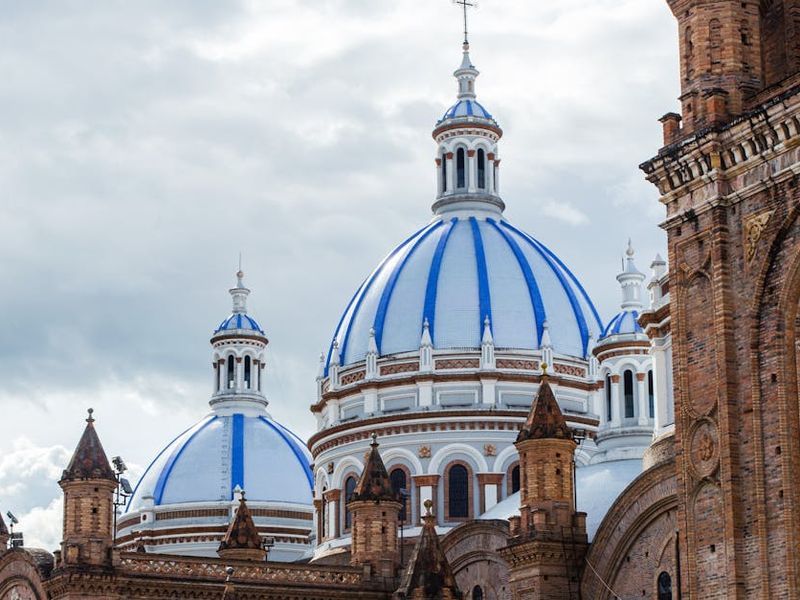
Cuenca is often the first stop in the southern highlands and for good reason. Its UNESCO-listed old town centers around Parque Calderón and the New Cathedral (Catedral Nueva), known for its striking blue domes. Stroll along the Tomebamba River, browse artisanal markets and sample local cuisine in family-run eateries.
Top sites: the archaeological and ethnographic displays at Pumapungo, the Museo del Banco Central, and the panoramic Mirador de Turi. If you like the outdoors, El Cajas National Park is a 30–45 minute drive from the city entrance and offers high-altitude lakes, birdwatching and multi-day treks.
Practical neighborhoods: stay in the Centro Histórico if you want colonial architecture and easy access to landmarks. For a quieter, more residential feel with newer apartments and markets, look at areas across the rivers or near Parque La Alameda. Turi is best for sunset views over the city but expect steeper streets and more taxis required.
Cuenca Practicalities: Healthcare, Groceries and Costs
Cuenca is a regional hub for healthcare; private clinics and hospitals offer modern services and many English-speaking professionals. Pharmacies are plentiful and over-the-counter medicines are easy to obtain. Grocery shopping ranges from bustling markets (where produce is fresh and cheap) to international supermarkets carrying specialty items.
Budgeting example: meals at local eateries can run $3–7, mid-range restaurants $8–20. Long-term rentals for one-bedroom apartments vary widely by location and amenities, but many expats report starting rents in the low hundreds to mid-hundreds of dollars; high-end units and villas cost considerably more.
Loja: Ecuador’s Cultural and Musical Heart
Often called Ecuador’s music capital, Loja offers a slower tempo but deep cultural engagement. The city’s colonial center features leafy plazas, artisan shops and a steady calendar of concerts, art exhibitions and local festivals. Small cafes and boutique hostels give Loja a cozy, creative vibe.
Nature lovers use Loja as a gateway to Podocarpus National Park with its cloud forests and biodiversity hotspots. Day hikes reveal waterfalls, bird-rich trails and temperate forest ecosystems that contrast with the drier valleys of neighboring provinces.
Practical tip: Loja is an excellent place to acclimatize if you’re descending from Cuenca’s higher elevation toward Vilcabamba or coastal Ecuador. The city also has reliable bus connections to regional towns and to the Vilcabamba valley.
Vilcabamba: Valley of Longevity and Easy Living
Vilcabamba, often marketed as the ‘Valley of Longevity,’ is a small town surrounded by a subtropical valley and popular with retirees and wellness seekers. The town’s relaxed streets, organic cafes and yoga studios create a calm counterpoint to the bustle of Cuenca.
Outdoor activities include river walks, short forest hikes, horseback riding and canyon trails. Nearby natural pools and small waterfalls make for pleasant day excursions. While the longevity claims are anecdotal, the combination of clean air, fresh food and an active outdoor lifestyle helps explain the town’s reputation.
Accommodation ranges from guesthouses and eco-lodges to long-stay rental homes. Keep in mind that services (medical, banking) are limited compared to Cuenca; many residents travel to Loja or Cuenca for major appointments.
Crafts, Markets and Day Trips from Cuenca
The southern highlands are a craft-lover’s dream. Plan day trips to Gualaceo and Chordeleg: Gualaceo is known for traditional textiles and ceramics, while Chordeleg is famous for silver filigree and jewelry shops. Markets like Mercado 10 de Agosto in Cuenca provide a sensory blast of produce, spices and street food — an excellent place to practice Spanish and sample local flavors.
Don’t miss the artisan panama hats — though associated with Ecuador broadly, you’ll find beautiful handwoven hats and workshops around Cuenca where you can see the weaving process up close.
Safety, Etiquette and Practical Tips
Southern Ecuador is generally safe for travelers, with low levels of violent crime in major tourist areas. Petty theft and pickpocketing can occur, so keep valuables secure and use hotel safes. Always carry a photocopy of your passport and keep the original in a safe place.
Etiquette: greet shopkeepers with a polite “buenos días/tardes”; learning a handful of Spanish phrases opens doors and earns goodwill. Dress is casual; in smaller towns people often dress more conservatively than in coastal resort areas.
When to Visit: Timing and Festivals
Best time for hiking and clear skies is the dry season (June–September). Shoulder months (April–May and October–November) can balance mild weather with fewer tourists, but expect more afternoon showers. If your trip centers on cultural events, check local calendars for music festivals in Loja and seasonal markets in Cuenca; these events vary year to year and provide a great window into local life.
Sample 7-Day Itinerary: Cuenca, Loja & Vilcabamba
- Day 1 — Arrive in Cuenca: Settle into the Centro Histórico, wander Parque Calderón, and enjoy dinner under the cathedral domes.
- Day 2 — Cuenca highlights: Visit Pumapungo, the Cathedral museum, and the Tomebamba river walk; sample local dishes at Mercado 10 de Agosto.
- Day 3 — El Cajas day trip: Early drive to El Cajas National Park for short hikes and lake views; return to Cuenca for the evening artisan markets.
- Day 4 — Craft towns: Day trip to Gualaceo and Chordeleg for textiles and jewelry; overnight bus to Loja or a late-afternoon drive.
- Day 5 — Explore Loja: Visit local museums, enjoy a concert if available, and stroll Parque Jipiro or central plazas.
- Day 6 — Head to Vilcabamba: Short drive to the valley; relax in a café, take an afternoon hike, and sample fresh produce markets.
- Day 7 — Nature and departure: Morning walk along the river or a canyon trail; return to Loja or continue to the coast or Quito by air.
Practical Packing and Health Notes
Packing for the highlands means layers: lightweight base layers, a warm mid-layer and a waterproof outer shell. Good walking shoes are a must for cobblestones and trails. Sunscreen, a reusable water bottle, and basic medications are useful. Because of the altitude in Cuenca and Loja, drink water slowly, limit heavy exercise on your first day and be mindful if you have respiratory or cardiovascular conditions.
Connectivity and Money
Wi-Fi is generally reliable in towns and hotels. For extended trips, buy a local SIM (providers like Claro and Movistar offer good coverage) or an international data plan. ATMs are widely available in Cuenca and Loja but less so in Vilcabamba; carry cash when heading to smaller towns and markets. Credit cards are accepted at hotels and many restaurants but smaller vendors are cash-only.
Living or Long-Term Stay: What Expats Should Know
Many expats choose Cuenca as a long-term base because of its services, international healthcare and active expat community. If you plan to stay, budget for initial rental deposits (usually one to three months), and expect to provide identification and references for leases. Renting through a reputable agency or using short-term rentals initially can give you time to explore neighborhoods.
Language study is one of the fastest ways to integrate; consider short immersive Spanish courses in Cuenca or Loja. Volunteer opportunities and community groups help build friendships and a local support network.
Final Thoughts: Slow Down and Savor the Highlands
Whether you’re drawn by Cuenca’s colonial charm, Loja’s musical life or Vilcabamba’s relaxed valley vibe, the southern highlands ask visitors to slow down. Take your time, sample local cuisine, learn a few Spanish phrases, and set aside a day just to wander without a plan. That’s often when the best discoveries — a neighborhood bakery, a hidden viewpoint, or a spontaneous local celebration — happen.
Use this guide as a starting point, and allow room for the serendipity that makes travel in Ecuador memorable. The southern highlands are layered, welcoming and richly varied — and they reward travelers who come prepared but curious.