
Table of Contents
Why Cuenca Is the Best Choice for Dental Tourism
If you’re considering dental implants, crowns, or veneers and want the best value, Cuenca, Ecuador should be at the top of your list. With savings of 60–70% compared to the U.S. and Canada, highly trained dentists who studied locally and abroad, modern clinics equipped with cutting-edge technology, and a welcoming expat scene, Cuenca combines exceptional dental care with one of the most pleasant recovery environments on earth. Short wait times, one-on-one patient attention, and affordable, high-quality follow-up care make it uniquely suited for dental vacations where you can heal in comfort and explore a UNESCO World Heritage historic center.
How Dental Tourism in Cuenca Works: Timing and Typical Procedures
Dental implant treatments usually involve two main stages: surgical placement of the implant and later placement of the crown or prosthesis after the bone heals (osseointegration). In Cuenca you’ll find clinics offering several pathways: traditional two-stage implants with a 3–4 month healing period, immediate-load implants that provide provisional teeth the same day, or hybrid approaches tailored to your case. Because most clinics keep flexible appointment schedules and short wait times, you can often coordinate the surgical phase and follow-up visits into one or two comfortable trips instead of multiple long waits.
Approximate Timelines
- Consultation and planning: 1–2 days (digital scans, X-rays, treatment plan).
- Implant surgery: 1–3 days depending on complexity (including extractions if needed).
- Healing: 8–12 weeks for many protocols; some immediate-load options reduce time.
- Final crowns/veneers: 1–3 days for impressions and placement during your return visit.
Sample Dental Vacation Itinerary: 7–14 Days Around Implant Appointments
Below is a practical, patient-centered itinerary that balances recovery needs with sightseeing and relaxation. It assumes you have a surgery day early in your stay and will remain in Cuenca for light activity during initial healing.
Day 0: Arrival and Settling In
Arrive in Cuenca, transfer to your hotel or furnished apartment within walking distance of the historic center and your clinic. Many dental clinics offer airport pickup and hotel booking assistance—ask about package deals. Spend the afternoon resting, hydrating, and taking a short, flat riverside walk to acclimatize to the altitude (Cuenca sits at about 2,560 meters / ~8,400 feet). Avoid strenuous activity; enjoy a mild dinner and get a good night’s sleep.
Day 1: Consultation and Prep
Have your pre-surgery consultation: digital X-rays, intraoral scans, and a thorough treatment review. Clinics in Cuenca pride themselves on personalized one-on-one care—your dentist will explain the surgical process, aftercare, and answer questions in clear language (many dentists speak English or provide translators). Arrange any prescriptions and confirm follow-up appointments. The rest of the day should be quiet: visit a local café, stroll Parque Calderón, and admire the cathedral’s iconic blue domes.
Day 2: Surgery Day (Implant Placement)
Undergo implant surgery in a modern, sterile clinic environment with advanced imaging and sedation options. Many hospitals and private clinics use CBCT imaging, computer-guided placement, and high-quality implant systems. After the procedure you’ll be monitored briefly and provided with explicit aftercare instructions, emergency contacts, and post-op medication. Rest at your accommodation; avoid hot baths, alcohol, and heavy meals. Light soups, smoothies, and soft foods are ideal.
Days 3–7: Gentle Recovery and Local Exploration
This is the perfect window for easy, soothing activities that support healing while letting you enjoy Cuenca’s charms. Recommended low-impact options include:
- Short walks along the Tomebamba River and the historical center’s cobbled streets.
- Quiet museum visits: Pumapungo Archaeological Park and the Museum of Aboriginal Cultures.
- A scenic drive up to Turi viewpoint for panoramic city views without strenuous hiking.
- Gentle spa or massage sessions offered by many hotels—confirm massage pressure with your dentist first.
- Visiting artisan towns: a day trip to Chordeleg (filigree silverwork) and Gualaceo’s market for textiles and crafts.
Cuenca’s mild, spring-like climate makes it easy to be outside without extreme temperatures, which helps recovery. Most clinics will check your healing at 3–7 days post-op; these quick checks are simple and reassuring.
Weeks 6–12: Returning for Final Restorations
After the osseointegration phase (typically 8–12 weeks), return to Cuenca for impressions and placement of final crowns or veneers. Many patients coordinate this visit as a shorter return trip—2–4 days—combining precision dentistry with more sightseeing. Because clinics in Cuenca often provide expedited lab work and in-house labs, final prosthetics turn-around is fast and efficient compared to many other destinations.
Why Recovering in Cuenca Improves Outcomes
Cuenca’s environment supports healing in several tangible ways. The city’s clean air, low pollution, and relaxed pace reduce stress, which can positively influence recovery. The compact, walkable historic center means you don’t need long commutes. Personalized post-op attention—often via WhatsApp or direct phone—means you get quick answers to any concern. Safe neighborhoods, a strong expat community, and English-speaking services add comfort for international patients.
Activities That Pair Well with Dental Recovery
Choose activities that are low-impact, uplifting, and easy to suspend if you need more rest:
- Scenic drives to El Cajas National Park for easy lakeside walks (not strenuous climbs).
- Cooking classes that focus on soups and soft local dishes—learn to make ceviche alternatives and plantain soups.
- Artisan market hopping in Chordeleg and Gualaceo—perfect for souvenir shopping and low-effort outings.
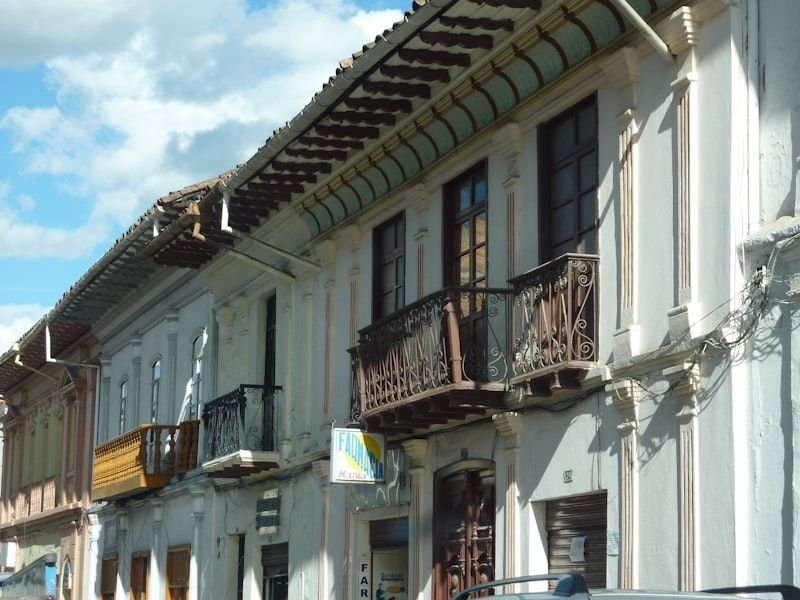
- Photography walks around the cathedrals, flower-filled balconies, and the picturesque riverside.
- Yoga or gentle stretching classes targeted at relaxation (confirm with your dentist before resuming any class).
Practical Tips for a Comfortable Dental Vacation
Plan ahead and make informed choices to maximize your savings and care quality:
- Bring medical records and recent dental X-rays if available—these speed up diagnosis and planning.
- Ask clinics to provide a written treatment plan, itemized costs, and the brand/type of implants and materials used.
- Confirm translation services, airport pickup, and hotel recommendations; many clinics partner with local hotels for discounts.
- Budget for return visits: while many cases are handled in one trip, some require a second short visit for final restorations.
- Purchase travel/medical insurance that covers post-op complications abroad, and verify repatriation policies if you want extra protection.
Costs and Value: Why 60–70% Savings Matter
One of the strongest arguments for Cuenca is clear: dramatically lower costs without sacrificing quality. While prices vary by case complexity and materials, getting implants, crowns, and veneers in Cuenca commonly costs 60–70% less than comparable work in the U.S. or Canada. These savings can make premium options affordable—like switching to higher-tier ceramics or choosing immediate-load implant systems—yielding superior long-term value. Many patients find they can receive more comprehensive care, better materials, or combined cosmetic and restorative procedures within the same budget they would spend at home on a single crown.
Clinic Quality: World-Class Training and Modern Technology
Cuenca’s top clinics employ dentists trained at reputable universities in Ecuador, Spain, the United States, or other international centers. Clinics often use advanced technologies—CBCT 3D imaging, CAD/CAM digital design, in-house milling labs, and sterility standards comparable to North American practices. Combine that with attentive, personalized care—many dentists in Cuenca allocate longer appointment times for consultations and patient education—and you get a premium patient experience at a fraction of the cost.
Choosing the Right Clinic: What to Look For
Not all clinics are identical; use a checklist when deciding:
- Read patient reviews and ask for before/after photo galleries of similar cases.
- Confirm the implant brand and materials used and inquire about warranties or guarantees.
- Verify the clinic’s infection control protocols and whether they have an in-house lab or trusted lab partners.
- Ask about emergency access and how follow-up care will be handled once you return home.
- Check communication availability: many clinics provide dedicated patient coordinators reachable by phone or WhatsApp for easy follow-up.
Aftercare: Eating, Drinking, and Activity Guidelines
Follow your dentist’s personalized aftercare advice, but some general tips are useful for travel planning:
- Stick to a soft diet for the first 48–72 hours post-surgery: pureed soups, scrambled eggs, yogurt, smoothies.
- Avoid smoking, alcohol, and vigorous exercise for the first week or longer as advised.
- Maintain good oral hygiene with gentle rinses; your dentist will likely recommend chlorhexidine rinses and a soft-bristled brush.
- Keep follow-up appointments and take photos of the surgical site for remote monitoring if needed.
Logistics: Travel, Language, and Staying Connected
Flying into Cuenca is straightforward with connections from Quito and Guayaquil; many patients fly into Quito and take a short domestic flight or bus. Book accommodations close to the historic center and your clinic to minimize travel after surgery. Brush up on basic Spanish phrases—many staff speak English, but Spanish helps for market visits and local interactions. Bring an unlocked phone or buy a local SIM card for affordable data; clinics often use WhatsApp for easy post-op communication.
Real Patient Experience: Personalized Care That Counts
One of the most cited benefits by international patients is the personal attention. Doctors in Cuenca commonly spend extra time explaining procedures, customizing prosthetics, and ensuring comfort. That kind of relationship matters during recovery—whether it’s a quick check-in call or a change to your temporary prosthesis, attentive care contributes to better healing and higher patient satisfaction.
Final Thoughts: Combine Health, Savings, and a Memorable Trip
Choosing Cuenca for dental implants, crowns, or veneers offers exceptional value: dramatic cost savings, modern clinical standards, and a gentle, restorative environment. With a well-planned dental vacation itinerary you can minimize downtime, enjoy the city’s cultural richness, and return home with beautiful, long-lasting dental restorations. If you want world-class dentistry plus a safe, scenic place to recover, Cuenca is hard to beat—proof that health care and travel can combine into a smart, life-enhancing investment.
Quick Checklist Before You Book
- Gather dental records and photos; request preliminary quotes from several clinics.
- Confirm implant brands, materials, and timelines in writing.
- Plan for at least one week in Cuenca after surgery for initial recovery; have a return trip penciled for final restorations if needed.
- Arrange airport pickup and local transport; choose lodging near your dentist.
- Purchase travel/medical insurance and prepare a soft-food travel menu for your stay.
With preparation and the right clinic, your dental vacation in Cuenca can be an efficient, affordable, and even restorative experience—one that leaves you with a healthier smile and lasting memories from one of Ecuador’s most beautiful cities.