
Table of Contents
Why Ingapirca deserves a place on your Cuenca itinerary
Just a short journey from Cuenca, the Ingapirca archaeological complex is Ecuador’s largest Inca-era site and a living link to pre-Columbian cultures. Its dramatic stonework, sun-aligned temple and sweeping Andean views make it an ideal day trip for history lovers and outdoor explorers. This guide gives you practical details, local context, and insider tips so you can enjoy the ruins fully—and return with great photos and memorable encounters.
Where Ingapirca sits in the landscape and why it matters
Ingapirca sits in Cañar province, set on a broad highland plateau surrounded by farmed valleys and hills. The site blends architectural features of the indigenous Cañari people—who first settled and shaped the landscape—with the later Inca adaptations. The most famous structure is the Temple of the Sun, an elliptical, high-walled building whose precise stonework and solar alignments speak to advanced astronomical knowledge.
Getting there from Cuenca: options and realistic travel times
Distance-wise, Ingapirca is close enough for a comfortable day trip from Cuenca. By private car or taxi the drive usually takes around 1.5 to 2 hours depending on traffic and road conditions. The route travels north out of Cuenca through highland scenery and small towns—an easy, scenic drive.
If you prefer public transport, several buses leave from Cuenca’s main terminal towards El Tambo, Cañar or the Ingapirca area. Buses are inexpensive and take a bit longer than driving, so plan for early departures if you want the whole day at the ruins. Many visitors choose a guided day tour from Cuenca; these typically include round-trip transport, a guided visit and sometimes other stops like the market town of Cañar.
Approximate travel costs
Private driver or taxi round-trip prices vary by season and negotiation—expect to budget more than for a bus but gain flexibility. Organized day tours from Cuenca commonly range in price and usually include admission and a guide. If you’re on a tight budget, the public bus is the cheapest option; bring small bills and ask at the terminal for the bus to El Tambo or Ingapirca.
Opening hours, tickets and what to expect at the gate
The archaeological park is open most days, generally starting in the morning and closing in the late afternoon. There is an entrance fee which helps fund conservation and the on-site museum; fees can vary by nationality and change over time, so bring cash (Ecuador’s currency is the U.S. dollar) and a small amount in various denominations. The ticket office staff will point you toward the museum and the trail that leads to the main ruins.
What you’ll see: the highlights of the site
Start your visit in the small, well-presented on-site museum where pottery, tools and interpretive displays explain Cañari and Inca life in the region. From there, walk the interpretive path to the main complex:
- Temple of the Sun: The elliptical stone structure is the centerpiece. Its angular stones and radial layout were used for ceremonies and astronomical observation.
- Inca and Cañari constructions: Look for differences in stone shaping and mortar techniques—Cañari builders had their own style, and the Inca later adapted and added to the complex.
- Terraces and ramparts: These survived as outlines of the agricultural planning and defensive structures occupying the plateau.
- Surrounding views: The highland valley and distant mountains provide a dramatic backdrop that helps you imagine why this site was sacred and strategic.
Best time to visit and what to wear
Morning visits are ideal for softer light and fewer clouds. Ecuador’s highlands have a clear seasonal pattern in many areas—there is a drier window mid-year (commonly June–September) that tends to give more sunny days, but showers can occur any time of year. Regardless of season, high-altitude sun is intense. Wear layered clothing: mornings can be chilly, afternoons warm. A waterproof layer is wise in case of a sudden shower.
Good walking shoes are essential—the site has uneven stone paths and steps. Hat, sunglasses, sunscreen and a reusable water bottle are must-haves. If you plan to use cameras or drones, check local rules at the ticket booth; drone use is often restricted at protected archaeological sites.
Guided vs. self-guided: what makes a guide worth it
A guided tour adds historical context and helps you identify subtle features you might otherwise miss, like the orientation of walls or the meaning of ceramic motifs. Guides also can explain living traditions among local Cañari communities, and point out flora and fauna along the trails. If time and budget allow, a local guide transforms the visit from a sightseeing stop into a cultural exchange.
Self-guided visitors who enjoy reading and exploring at their own pace should start at the museum and pick up any interpretive maps or information panels; these are usually quite informative and let you linger where you like.
Practical itinerary: half-day and full-day ideas from Cuenca
Half-day (early morning start): Depart Cuenca shortly after breakfast, arrive mid-morning, spend 2–3 hours touring museum and main complex, stop for lunch at a local comedor near El Tambo, then return to Cuenca in the afternoon. This is perfect if you have limited time but still want a meaningful visit.
Full-day (leisurely pace): Leave Cuenca early, visit the Cañar market if it coincides with your day (markets typically peak mid-week or weekends—check local schedules), spend several hours at Ingapirca with a guided tour, enjoy a long lunch of regional specialties, and if time remains, visit a nearby community workshop for weaving demonstrations or jewelry making before returning at sunset.
Where to eat and where to stay nearby
Dining options range from simple roadside comedores serving soups, roasted meats and empanadas, to small restaurants near the ruins offering trout, pork and local vegetable dishes. Trying regional favorites—like mote (hominy), fresh Andean cheese or a warming soup—makes the visit more authentic.
Most visitors stay in Cuenca for the night to enjoy comfortable hotels and the city’s galleries and restaurants, using Ingapirca as a day trip. If you prefer nearby accommodation, El Tambo and surrounding villages have small guesthouses and family-run hospedajes where you can experience slower highland life. Staying nearby can also make early sunrise visits possible.
Community and culture: respectful travel tips
The Ingapirca area is home to people who identify as Cañari and as descendants of Inca-era communities. Basic Spanish greetings go a long way—“buenos días” and “gracias” are always appreciated. If you want to photograph local people, ask politely first. Buying local crafts and choosing local eateries supports small businesses and gives you unique souvenirs made by artisans from the region.
Safety, accessibility and practical notes
Ingapirca is a tourist-friendly destination. As with any travel, keep an eye on belongings and be cautious in crowded spaces. The site’s uneven terrain and stairs make it less accessible for wheelchair users—those with mobility challenges should check with staff in advance about routes and assistance options. If you have altitude sensitivity, take it easy, hydrate and avoid overexertion—Cuenca is already at significant elevation and Ingapirca sits higher.
Photography and how to capture the best shots
For dramatic images, aim for early morning or late afternoon light. The south-facing sides of the Temple of the Sun catch warm tones in the afternoon; mornings often bring clearer skies. Use a wide-angle lens to include the stonework and the surrounding valley for scale. A polarizing filter helps deepen blue skies and manage reflections off stone. If you’re shooting portraits or close-ups of carved stones and pottery, a mid-range lens with a shallow depth of field offers great results.
Nearby additions: turning your visit into a broader cultural day
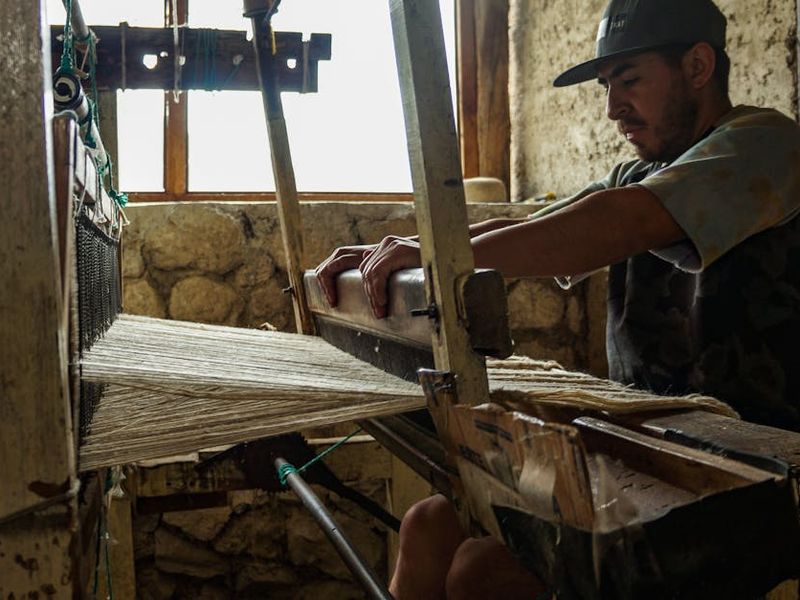
Combine Ingapirca with a stop in the nearby market towns for weaving and jewelry shopping, or time your visit around community festivals. The Cañar region has craft traditions—silverwork and woven goods—that are visible in small shops and workshops. Visiting a family-run workshop provides insights into traditional techniques and supports local artisans directly.
Final planning checklist
- Bring cash in small bills for entrance fees, food and tips.
- Dress in layers—mornings are cool, afternoons warmer.
- Wear sturdy walking shoes; use sunscreen and a hat.
- Start early to avoid crowds and catch the best light.
- Consider hiring a local guide for deeper context and stories.
- Purchase souvenirs from local artisans to support the community.
- Check bus schedules if using public transport, or book a tour in advance during high season.
Conclusion: more than ruins—a chance to connect
A visit to Ingapirca from Cuenca is more than a photo op—it’s an opportunity to step into layers of Andean history, connect with living cultural traditions and enjoy beautiful mountain landscapes. Whether you come solo, with family, or on a guided tour, plan ahead, respect the site and local communities, and leave with a deeper appreciation for Ecuador’s highland heritage.
Ready to go? Pack your curiosity, a good pair of shoes, and plenty of water—Ingapirca will do the rest.