
Table of Contents
Why a week is perfect for Cuenca
Cuenca’s compact colonial center, highland surroundings and nearby artisan towns make it an ideal place to explore at a relaxed pace. Seven days lets you move beyond the postcard highlights—blue-domed cathedrals and cobbled plazas—and discover the ecosystems, crafts and flavors that give this Ecuadorian city its warm reputation. This guide lays out a one-week plan, plus practical advice and offbeat ideas so you leave feeling like you’ve truly seen Cuenca.
Quick practical facts before you go
Cuenca sits at about 2,560 meters (8,400 ft) above sea level, so expect bright sunlight and cool evenings year-round. The city uses the U.S. dollar, which simplifies budgeting, and the climate is generally mild—layers are essential. The airport is Mariscal Lamar (CUE), just a short taxi ride from downtown. Taxis are inexpensive, public buses cost only a few cents, and rideshare apps often operate in the city.
Packing essentials
- Light layers, a warm mid-layer and a rain jacket
- Comfortable walking shoes for cobbles and trails
- Sunscreen and a hat—the sun is strong at altitude
- Cash in small bills for markets and taxis
- Reusable water bottle (tap water is generally safe when filtered)
Day 1: Historic center—plazas, cathedrals and first tastes
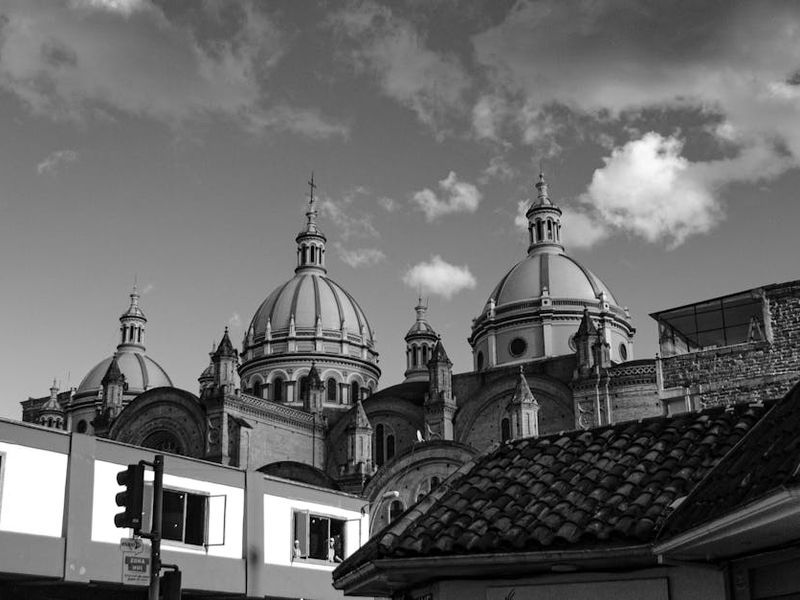
Start at Parque Calderón, the heart of the UNESCO-recognized old town. From here you’ll see the impressive new cathedral with its iconic blue domes; climb its towers for a sweeping view of the city. Wander down the tree-lined pedestrian streets to find small bakeries selling pan de yuca and coffee shops where locals linger.
Stop at a central café and try helado de paila, a traditional artisanal sorbet made in a large copper pan—perfect for your first taste of local flavor. Spend the afternoon exploring side streets and small galleries, then have dinner at a restaurant offering typical highland fare like locro de papa (potato and cheese soup) or hornado (slow-roasted pork).
Day 2: Museums, markets and river walks
Dedicate the morning to Museo Pumapungo, an archaeological and ethnographic museum that traces indigenous cultures of the region and displays fascinating ruins and recreated environments. From there, stroll toward the Tomebamba River—the banks and bridges make for some of the city’s prettiest photos.
For lunch, head to Mercado 10 de Agosto for an authentic market experience. Try a plate of fritada or a fresh fruit-based drink from a vendor. In the afternoon, explore artisan stalls and boutiques near the market for Panama hats, handwoven textiles and silverwork.
Day 3: Day trip to El Cajas National Park
El Cajas is a high-altitude national park of glacial lakes and páramo grasslands about 30–45 minutes from Cuenca by car. Organize a guided hike (great for learning about local flora) or follow established trails to viewpoints like Laguna Toreadora. Altitude and weather can change quickly—start early, dress in layers, and bring water and snacks.
Plan for a picnic beside one of the lakes and return to Cuenca by late afternoon. The contrast between the city’s colonial calm and the wide, wind-swept highlands is one of the week’s highlights.
Day 4: Artisan towns—Chordeleg and Gualaceo
Spend a day visiting two craft-focused towns east of Cuenca. Chordeleg is famous for delicate silver filigree jewelry. Visit small workshops to see jewelers at work and pick up handmade pendants and earrings. Nearby Gualaceo is a textile and ceramics center—its covered market showcases woven goods, straw hats and everyday household wares.
These towns are great for picking up unique souvenirs and supporting local artisans. If you prefer a guided experience, many operators offer combined tours that include a stop for lunch at a local restaurant serving regional dishes.
Day 5: Ingapirca ruins and the Andean past
A roughly 1.5–2 hour drive north brings you to Ingapirca, Ecuador’s most important Inca archaeological site. Walk the stone plazas, see the Temple of the Sun and imagine the pre-Columbian networks that linked the highlands. A knowledgeable guide can bring the complex history alive and explain the site’s mix of Cañari and Inca architecture.
Return to Cuenca and take an easy evening: sample street food near the central park or try a relaxed bistro along one of the riverfront promenades.
Day 6: Neighborhood exploration and culinary discoveries
Spend a slow day exploring neighborhoods beyond the central plaza. Visit San Sebastián for quieter streets, small artisan shops and neighborhood cafés. Climb (or take a short taxi up) to the Mirador de Turi for late-afternoon light and panoramic views of Cuenca’s rooftops and surrounding mountains.
For dinner, book a table at a farm-to-table restaurant—Cuenca’s culinary scene highlights Andean ingredients reimagined in contemporary plates. Consider a tasting menu to sample local cheeses, quinoa preparations and inventive desserts featuring local fruits.
Day 7: Relaxation, shopping and a farewell stroll
On your final day, mix a relaxed morning with last-minute shopping. Return to any market stalls you loved, pick up gifts like artisan chocolate or a handwoven scarf, and stroll the seven bridges along the Tomebamba River at a leisurely pace.
In the afternoon, take a short workshop—many studios offer quick lessons in weaving, hat-blocking or jewelry polishing so you can make a small keepsake. End your week with a sunset from a rooftop bar or a quiet bench in Parque Calderón, watching the city’s light shift over the domes.
Practical tips to make your week smooth
Getting around
Cuenca is highly walkable in the historic center, but taxis are cheap and plentiful for longer hops. Buses are the most economical option—always carry small bills and cede to locals for space. If using taxis, agree the fare before you leave or ask the driver to turn on the meter if available.
Safety and health
Cuenca is generally safe for tourists, but normal precautions apply: keep valuables discreet, watch your belongings in crowded markets and avoid unlit streets at night. Because of the altitude, drink plenty of water for the first 24–48 hours, take it easy on intense exercise, and consider small, easily digested meals if you feel light-headed.
Money and tipping
With the U.S. dollar in use, transactions are straightforward. Many places accept cards, but street food and small vendors prefer cash. Tipping is appreciated; leaving 5–10% in restaurants is custom but not strictly required.
When to visit and what to expect weather-wise
Cuenca enjoys a temperate climate year-round, but the driest months are typically June through September. Even in the dry season you can expect sudden showers, especially in afternoons. Shoulder seasons are great for fewer crowds and lively local life. Keep a compact umbrella or lightweight rain jacket handy.
Food and drink to seek out
Cuenca’s gastronomy blends Andean staples with coastal and Amazonian influences. Don’t miss these local treats:
- Helado de paila: hand-churned artisanal ice cream
- Hornado and fritada: pork dishes served with corn and mote
- Locro de papa: creamy potato and cheese soup
- Pan de yuca: warm cheese breads sold at bakeries
- Fresh fruit juices and coffee from the highland plantations
Budgeting your week
You can tailor this itinerary to any budget. A modest traveler using hostels, street food and public buses can manage on roughly $30–50 per day. Mid-range travelers who choose comfortable hotels, guided day trips and sit-down restaurants should budget $70–150 per day. Luxury accommodations, private tours and fine-dining experiences will push costs higher but still tend to be below comparable prices in North America and Europe.
Extra ideas if you have more time
If your schedule allows, consider extending a day or two to:
- Explore deeper into the southern highlands or the Amazon foothills for birdwatching and river trips
- Take a multi-day trek through the less-visited sections of El Cajas
- Join a local cooking class to learn to prepare Ecuadorian dishes
Responsible travel reminders
Support local artisans by buying directly from workshops and markets, and opt for certified guides when exploring natural areas. Respect sacred sites and cultural customs—asking before photographing people, for instance, goes a long way toward good relations with locals.
Final thoughts: a week that feels like more
Seven days in Cuenca gives you time to blend iconic sights with slow, sensory experiences—walking the riverfront at dusk, buying a hat from a master artisan, watching clouds roll across the highland lakes. This city rewards curiosity: the best discoveries often come from a chance side street or an invitation to sit for coffee with a local. Pack layers, plan flexibly, and leave time for unplanned detours—Cuenca’s charm is best appreciated without rushing.
Whether you arrive for culture, nature or craft shopping, this week-long plan balances history, day trips and everyday pleasures so you come away with a rounded sense of Cuenca and the southern Ecuadorian highlands.