
Table of Contents
Why sustainable living in Cuenca makes sense
Cuenca’s mild climate, compact historic center and strong local food traditions make it an excellent place for expats to adopt a greener lifestyle. At roughly 2,560 meters above sea level, the city offers cool, spring-like temperatures year-round that reduce the need for heavy heating. Beyond climate, Cuenca’s UNESCO-listed old town, active artisanal economy and easy access to nearby natural areas like El Cajas National Park give intentional residents practical options for reducing waste and supporting local systems.
Start with where you live: housing tips that save energy and money
Most expats live in apartments in El Centro, or casas in neighborhoods such as San Sebastián, El Vergel or Monay. Small, targeted changes to your home can cut energy use and improve comfort:
- Seal drafts and use thermal curtains. Older colonial windows can leak; weatherstripping and heavy curtains are inexpensive and effective.
- Choose LED bulbs and smart power strips. Replace incandescent and CFL bulbs with LEDs and use strips to avoid vampire loads from chargers and TVs.
- Heat water efficiently. Many Cuencanos use gas water heaters—if your building allows it, consider installing an on-demand (tankless) system or a solar water heater for reduced electricity use.
- Dry laundry outdoors. With lots of sunny days and cool breezes, line drying is often faster and gentler on clothes than a dryer.
- Consider small solar investments. Portable solar chargers for batteries and a solar water heating panel can be economical in the long run due to Cuenca’s high UV exposure at altitude.
Transportation: use Cuenca’s public options and bike smart
Getting around Cuenca doesn’t require a car. The city’s compact center encourages walking, and the Tranvía de Cuenca (light rail) provides a reliable, low-emission option for many trips. Here’s how to make your transport greener:
- Walk when you can. The Historic Center around Parque Calderón is extremely walkable and often faster than driving.
- Use the Tranvía and buses. The light rail and municipal buses reduce per-person emissions compared to taxis or private cars.
- Try an e-bike or cargo bike. For hillier routes, an electric-assist bike makes errands easier, replacing short car trips.
- Car-share and combine errands. If you do rent a car, plan multiple errands per trip to minimize mileage.
Shopping and food: eat local, seasonal and low-waste
One of the easiest ways to live sustainably in Cuenca is to change how you shop and eat. The city’s markets and neighborhood shops make it practical to buy fresh, local food:
- Buy from mercados and local farmers. Neighborhood mercados offer seasonal fruits, vegetables and dairy directly from regional producers. Look for weekly farmers’ markets (ferias) that feature organic and small-farm goods.
- Reduce packaged and imported foods. Choose bulk staples and bring your own reusable bags and jars—the vendors are used to customers who bring containers.
- Cook more, order less delivery. Eating home-cooked meals reduces packaging waste and helps you control food choices.
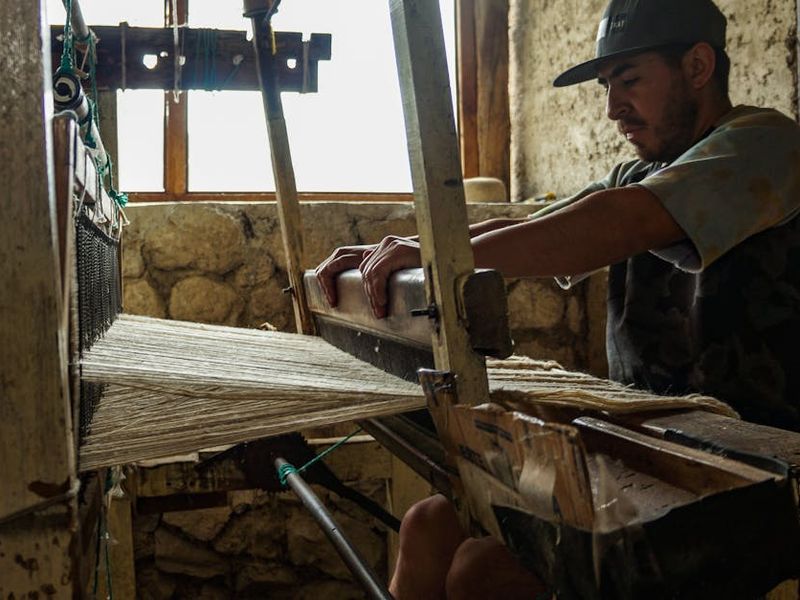
- Support Cuenca artisans. Buy textiles, ceramics and the famous handwoven goods locally to support the regional economy and avoid imported fast-fashion items.
Managing waste: practical recycling and composting
Cuenca’s municipal systems and grassroots initiatives make recycling and composting possible—especially if you know where to look. Here are actionable steps to lower household waste:
- Separate at home. Establish bins for organic waste, paper, plastics and glass. Label them in Spanish (orgánico, papel, plásticos, vidrio) to make sorting easier for any helpers.
- Find local collection points (centros de acopio). Many neighborhoods have recycling centers that accept materials for resale and processing. Ask your landlord, neighbors or municipal office for the nearest location.
- Start vermicomposting or a small tumbling composter. Even in an apartment, a worm bin or bokashi system can divert kitchen scraps and create nutrient-rich compost for houseplants or community gardens.
- Avoid single-use items. Bring a reusable water bottle, coffee cup and shopping bag. Many shops and mercados will accommodate refills.
Water smart: conserve and use local supplies wisely
Cuenca generally has good potable water, but being water-wise is still important. The city’s rivers and reservoirs are valuable ecosystems that need protection:
- Use a filtered jug at home. Tap water in Cuenca is treated, but many residents prefer additional filtration for taste or to avoid plastic bottles.
- Fix leaks and install aerators. Even small drips add up; low-cost faucet aerators reduce flow without impacting performance.
- Collect rainwater for gardens. If you have a roof and outdoor space, a rain barrel is an easy way to water plants during dry spells.
Green shopping: thrift stores, repair and local services
Buying second-hand and repairing items extends product life and keeps useful goods out of landfills. In Cuenca, look for:
- Thrift and consignment shops. Expat communities and local markets often have clothing and household goods in good condition.
- Repair services. Learn where to get electronics, shoes and furniture repaired instead of replaced. Shoemakers and seamstresses are common and affordable.
- Buy local craftsmanship. Prioritize locally-made goods—artisan-made textiles, leatherwork, and ceramics—over mass-produced imports.
Gardening and growing food in the city
Whether you have a balcony, terrace or a tiny backyard, growing some of your own food reduces food miles and connects you with the seasons in Ecuador:
- Start easy with herbs and leafy greens. Basil, cilantro, lettuce and kale do well in containers and provide frequent harvests.
- Try vertical and container gardening. Use hanging pots, stacked planters or repurposed containers to maximize space in apartments.
- Join or start a community garden. Community plots are becoming more popular in Cuenca—search local Facebook groups or neighborhood associations to find a plot.
Connect with local organizations and communities
One of the best ways to live sustainably is to plug into local networks. Cuenca has environmental nonprofits, community groups and informal initiatives focused on conservation, river cleanups and urban agriculture:
- Volunteer. Local NGOs and university programs running community projects often welcome volunteers for short-term help or skill exchanges.
- Learn Spanish. Speaking the language opens doors to neighborhood meetings, market relationships and deeper collaboration with local conservation efforts.
- Attend neighborhood assemblies. Juntas parroquiales and neighborhood associations often have sustainability projects—participation helps you influence local decisions.
Practical tips for expats who want to reduce carbon and costs
Simple lifestyle shifts can cut emissions and save money. Here are practical, expat-focused suggestions:
- Plan monthly shopping trips. Consolidate purchases to avoid frequent trips and reduce transport emissions.
- Switch to e-billing and go paperless. Many service providers in Cuenca will send electronic invoices.
- Choose energy-efficient appliances. When buying a refrigerator, washer or stove, prioritize energy-star or low-consumption models.
- Host swap events. Organize clothing or household goods swaps with other expats and neighbors.
- Offset intentionally. If you must fly, consider contributing to verified reforestation or conservation projects in Ecuador rather than generic offsets.
Conservation beyond the city: explore and protect nearby wild places
Cuenca’s proximity to places like El Cajas National Park and Andean paramo landscapes gives residents a chance to connect with high-value ecosystems. Responsible recreation keeps these areas healthy:
- Use licensed tour operators. Choose guides who follow leave-no-trace principles and support local communities.
- Pack out your trash. Bring a small bag for any waste and carry it out of protected areas.
- Support conservation organizations. Many groups work to protect watersheds and native species—donations, volunteering, and sharing their work helps preserve the regions that supply Cuenca’s water and food.
Common challenges and how to overcome them
Transitioning to a greener lifestyle in a foreign city has obstacles. Here are common challenges and practical workarounds:
- Limited recycling infrastructure. If curbside collection isn’t available where you live, gather recyclables and drop them at a centro de acopio or coordinate with neighbors for bulk dropoffs.
- Language and cultural barriers. Learn basic Spanish terms for recycling and food types; a bilingual neighbor or local expat group can help translate signs and regulations.
- Rental restrictions. If your lease forbids modifications, use non-invasive solutions like removable weatherstripping, plug-in LED bulbs and freestanding compost bins.
- Price concerns. Many green options save money long-term—LEDs, efficient appliances and reducing food waste quickly recoup their initial costs.
Final thoughts: small steps add up
Sustainable living in Cuenca doesn’t require perfection—incremental actions make a big difference when adopted consistently. Start with a handful of habits: walk or take the Tranvía, buy seasonal produce at the local mercado, compost kitchen scraps, and repair before replacing. As you connect with neighbors, artisans and conservation groups, your lifestyle changes will ripple outward—saving money, reducing your ecological footprint, and helping preserve the natural and cultural treasures that make Cuenca such a special place to call home.
Ready to begin? Pick one habit from this guide to start this week: visit a farmers’ market, install an LED bulb, or set up a small compost bin. Small changes are the gateway to a greener, more satisfying life in Cuenca.
Adam Elliot Altholtz serves as the Administrator & Patient Coordinator of the “Smilehealth Ecuador Dental Clinic“, along with his fellow Expats’ beloved ‘Dr. No Pain‘, right here in Cuenca, Ecuador, and for purposes of discussing all your Dental needs and questions, is available virtually 24/7 on all 365 days of the year, including holidays. Adam proudly responds to ALL Expat patients from at least 7:00am to 9:00pm Ecuador time, again every single day of the year (and once more even on holidays), when you write to him by email at info@smilehealthecuador.com and also by inquiry submitted on the Dental Clinic’s fully detailed website of www.smilehealthecuador.com for you to visit any time, by day or night. Plus, you can reach Adam directly by WhatsApp at +593 98 392 9606 -or by his US phone number of 1‐(941)‐227‐0114, and the Dental Clinic’s Ecuador phone number for local Expats residing in Cuenca is 07‐410‐8745. ALWAYS, you will receive your full Dental Service in English (NEVER in Spanish), per you as an Expat either living in or desiring to visit Cuenca by your Dental Vacation, plus also to enjoy all of Ecuador’s wonders that are just waiting for you to come arouse and delight your senses.