
Table of Contents
Modern dental imaging is here: what it means for Cuenca
Cuenca’s dental scene has evolved rapidly in the last decade. From small family practices near the Parque Calderón to private clinics catering to international patients, many offices now use digital dental X‑rays instead of traditional film. That shift matters: digital imaging speeds up diagnosis, reduces radiation, and makes it easier for patients — especially expats and frequent travelers — to manage their dental records.
What exactly are digital dental X‑rays?
Digital dental X‑rays capture images with an electronic sensor instead of film. There are two common types: direct digital sensors (CCD/CMOS) and indirect systems that use phosphor plates scanned by a reader. In addition to intraoral X‑rays (bitewings and periapicals), many clinics offer panoramic digital X‑rays and cone beam computed tomography (CBCT) for 3D views. All these technologies convert X‑ray data into files you can view on a computer, share by email, or save to a USB drive.
Key advantages for patients in Cuenca
Digital X‑rays bring practical benefits that matter in everyday dental care:
- Much lower radiation: Digital sensors need less exposure than film. For people concerned about cumulative radiation — pregnant patients, seniors, and those with chronic conditions — that reduction is reassuring.
- Faster results: No dark room or chemical processing. Images appear in seconds on a monitor so your dentist can explain findings during the same appointment.
- Clearer images and enhanced diagnostics: Dentists can enlarge, adjust contrast, and annotate images to spot early decay, hairline fractures, or bone loss.
- Better patient education: Seeing a high‑resolution image on screen helps you understand recommended treatments and compare before/after results.
- Easy record keeping: Electronic files are simple to store and transfer — hugely helpful if you travel, relocate, or seek a second opinion.
Why digital X‑rays help dentists work faster and smarter
For dentists and clinic staff in Cuenca, digital imaging streamlines workflows. Offices save time and money by eliminating film supplies and chemicals. They also integrate images directly with dental software for charting, treatment planning, and referrals to specialists. When an oral surgeon or endodontist needs a view for an implant or root canal, a digital file can be shared instantly, speeding up care coordination.
Specific ways digital imaging improves treatments
Different dental specialties gain clear advantages from digital imaging:
- Implants and oral surgery: Panoramic and CBCT scans provide precise measurements of bone density and nerve locations, reducing risks during implant placement.
- Endodontics (root canals): High‑resolution periapical images reveal canals and tiny fractures that older methods can miss.
- Orthodontics: Digital records help plan braces or clear aligners more accurately and track progress through serial images.
- Pediatric dentistry: Lower radiation doses and quick imaging make X‑rays less stressful for children.
Safety and local regulations — what to ask your dentist in Cuenca
While digital X‑rays reduce radiation, it’s still important to confirm basic safety protocols. When you book an appointment in Cuenca, ask whether the clinic follows these practices:
- Use of lead aprons and thyroid collars for extra protection, especially for children and pregnant women.
- Proper signage and locked X‑ray rooms when the device is in use.
- Regular equipment calibration and maintenance to ensure accurate imaging.
- Staff training and certification in radiography and radiation safety.
Most reputable clinics — from small private offices near the historic center to larger practices catering to international patients — will welcome these questions. If you see reluctance or unclear answers, consider a different provider.
How to find the right dental clinic in Cuenca
Cuenca offers many options, from family dentists to specialists. Use these practical steps to choose a clinic with up‑to‑date digital imaging:
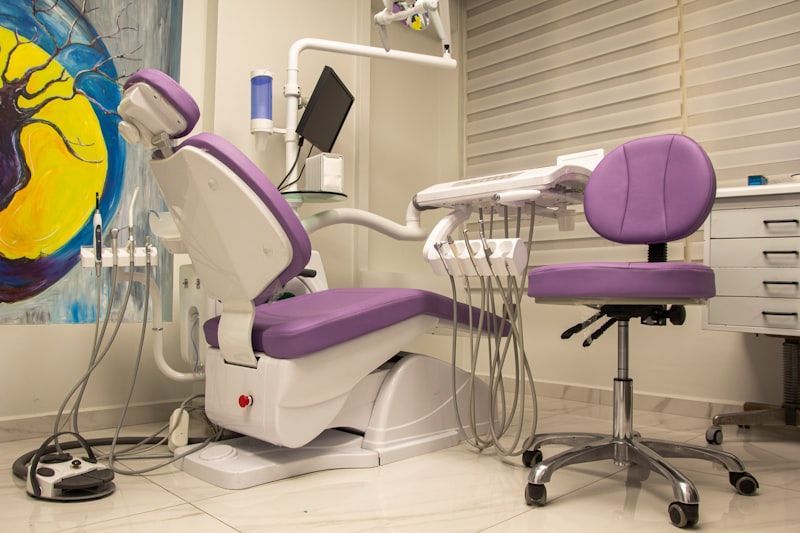
- Look for photographs of equipment: Modern clinics often show treatment rooms and imaging devices on their websites or social media.
- Read reviews and expat forums: English‑speaking Facebook groups and local expat blogs frequently discuss dentists and the quality of care.
- Confirm the technology: Ask if they use direct digital sensors, panoramic X‑ray machines, or CBCT for 3D imaging.
- Ask about language support: If you prefer English, check whether staff or dentists speak English — many clinics serving international patients do.
- Request digital copies: Ensure the clinic will provide a digital copy (JPEG, PDF, DICOM) you can save or share with another practitioner.
What to expect at your appointment — step by step
Getting digital dental X‑rays in Cuenca is straightforward. Here’s a typical flow so you know what will happen:
- Check‑in: Provide ID and an updated medical/dental history. Mention pregnancy or recent imaging if relevant.
- Lead shielding: You’ll wear a lead apron and possibly a thyroid collar for protection.
- Sensor placement: For intraoral images, the sensor or phosphor plate will be placed inside your mouth. Panoramic and CBCT images require standing still with your head positioned in the machine.
- Quick exposures: Each image takes only a fraction of a second; total time is often under five minutes for basic sets.
- Immediate review: The dentist will bring up images on a monitor, explain findings, and discuss next steps.
- Digital handoff: Ask for a copy of your images on USB or email for safekeeping and travel.
Costs and insurance — realistic expectations for Cuenca
Dental care costs in Cuenca are often lower than in the U.S. and Europe, but prices vary by clinic and the technology used. Digital intraoral X‑rays are generally inexpensive, while panoramic and CBCT scans cost more because of the equipment and expertise required. Typical ranges (approximate and variable) you might encounter:
- Periapical or bitewing digital X‑ray: modest fee, often bundled with an exam.
- Panoramic X‑ray: mid‑range fee — useful for a full overview of teeth and jaws.
- CBCT (3D scan): higher fee — used for implants, complex extractions, and advanced planning.
If you have international or travel medical insurance, check whether dental imaging is covered. Many expats choose to pay out of pocket because even higher‑end procedures in Cuenca remain affordable compared with home countries.
Portability of your records — essential for frequent travelers
One of the greatest practical benefits of digital X‑rays for expats is portability. Always request a digital copy at the end of your visit. Tips for keeping records usable:
- Ask for images in standard formats (JPEG, PDF, or DICOM for CBCT) so other dentists can open them easily.
- Get a brief written report or note summarizing findings, dates, and recommended treatments.
- Store files in cloud storage you control so you can access them from anywhere during travel.
Common questions expats ask about digital X‑rays in Cuenca
Below are answers to questions many internationals have:
- Are digital X‑rays safe for children? Yes — with proper shielding and minimal exposures they are considered safe and often preferred because fewer retakes are needed.
- Can I get a second opinion? Absolutely — ask the clinic for a digital copy and send it to a specialist elsewhere.
- What about pregnancy? Dentists typically avoid elective X‑rays during pregnancy, but if an urgent dental problem exists, digital imaging with shielding may be performed after discussing risks and benefits.
- Do all dentists in Cuenca use digital X‑rays? No, but many modern clinics do. If you want digital imaging, call ahead to confirm.
Emerging trends: AI, tele‑dentistry, and 3D printing
Cuenca’s dental community is gradually adopting next‑generation tools that work well with digital imaging. Artificial intelligence tools can pre‑screen images for potential cavities or changes over time. Tele‑dentistry consultations allow specialists to review your digital files remotely. And 3D printing — using CBCT scans and digital impressions — is making custom surgical guides and prosthetics faster and more affordable locally.
Practical checklist before your dental visit in Cuenca
Print or save this short checklist to ensure a smooth appointment:
- Confirm the clinic uses digital X‑rays and type of equipment.
- Mention pregnancy, implants, or recent radiology exams elsewhere.
- Bring your ID and any recent dental records or images.
- Request digital copies and a short written summary of findings.
- Ask about language support if you prefer English.
Final thoughts — embracing modern dental care in Cuenca
Digital dental X‑rays are more than a technological upgrade: they change how dentists diagnose, plan, and communicate. In Cuenca — where many clinics balance traditional care with modern techniques — choosing a practice that uses digital imaging gives you faster appointments, clearer explanations, and portable records that travel with you. Whether you’re a lifelong resident, a seasonal visitor, or an expat planning long‑term care, digital X‑rays are a smart step toward safer, more efficient oral health.
If you’re unsure where to start, call a few local clinics, ask about their imaging equipment, and request examples of digital reports. A few minutes of research up front will help you find a dentist who combines modern technology with the patient‑focused care Cuenca is known for.
Adam Elliot Altholtz serves as the Administrator & Patient Coordinator of the “Smilehealth Ecuador Dental Clinic“, along with his fellow Expats’ beloved ‘Dr. No Pain‘, right here in Cuenca, Ecuador, and for purposes of discussing all your Dental needs and questions, is available virtually 24/7 on all 365 days of the year, including holidays. Adam proudly responds to ALL Expat patients from at least 7:00am to 9:00pm Ecuador time, again every single day of the year (and once more even on holidays), when you write to him by email at info@smilehealthecuador.com and also by inquiry submitted on the Dental Clinic’s fully detailed website of www.smilehealthecuador.com for you to visit any time, by day or night. Plus, you can reach Adam directly by WhatsApp at +593 98 392 9606 -or by his US phone number of 1‐(941)‐227‐0114, and the Dental Clinic’s Ecuador phone number for local Expats residing in Cuenca is 07‐410‐8745. ALWAYS, you will receive your full Dental Service in English (NEVER in Spanish), per you as an Expat either living in or desiring to visit Cuenca by your Dental Vacation, plus also to enjoy all of Ecuador’s wonders that are just waiting for you to come arouse and delight your senses.