
Table of Contents
Introduction: Dental Tourism with a View
If you’re comparing dental implants, crowns or veneers in the United States or Canada versus having the same work done in Cuenca, Ecuador, there’s one question at the top of everyone’s mind: can I get high-quality care for a fraction of the price—and enjoy a vacation while I’m at it? The short answer is yes. Cuenca has become a global leader in dental tourism because it combines dramatic cost savings (commonly 60–70% less than North American pricing) with highly trained dentists, modern clinics, short wait times, and a spectacular recovery environment. This article explains why choosing Cuenca for dental work makes sense medically, financially, and personally.
How Much You Save: Realistic Cost Comparisons
One of the clearest reasons patients choose Cuenca is the dramatic cost differential.
- Dental implants: In the U.S. or Canada a single implant (surgery + abutment + crown) often runs $3,000–$6,000. In Cuenca, equivalent work typically costs $800–$1,800 per implant depending on materials and brand—roughly 60–70% less.
- Porcelain crowns: North American prices commonly range $800–$2,000 per crown; in Cuenca you’ll find high-quality crowns for $200–$450.
- Veneers: Porcelain veneers that cost $900–$2,500 in the U.S. can often be obtained in Cuenca for $150–$450 per tooth.
These numbers are averages—you should always get detailed quotes—but the pattern is consistent: the overall value (quality + price + service) is exceptional in Cuenca.
World-Class Dentists and International Training
Cuenca’s dentists frequently train at top institutions in Ecuador and abroad, and many complete continuing education courses in the U.S., Europe, and Latin America. Clinics commonly employ specialists—prosthodontists, periodontists, oral surgeons—who collaborate on complex cases. What this means for you is one-on-one care from professionals who understand modern implant protocols, digital workflows and esthetic dentistry.
When evaluating a clinic, look for evidence of continuous education, before-and-after galleries, and case studies showing full-mouth rehabilitations or complex implant work. Many Cuenca dentists are fluent in English and experienced treating international patients, which simplifies communication and builds trust.
Modern Clinics and Cutting-Edge Technology
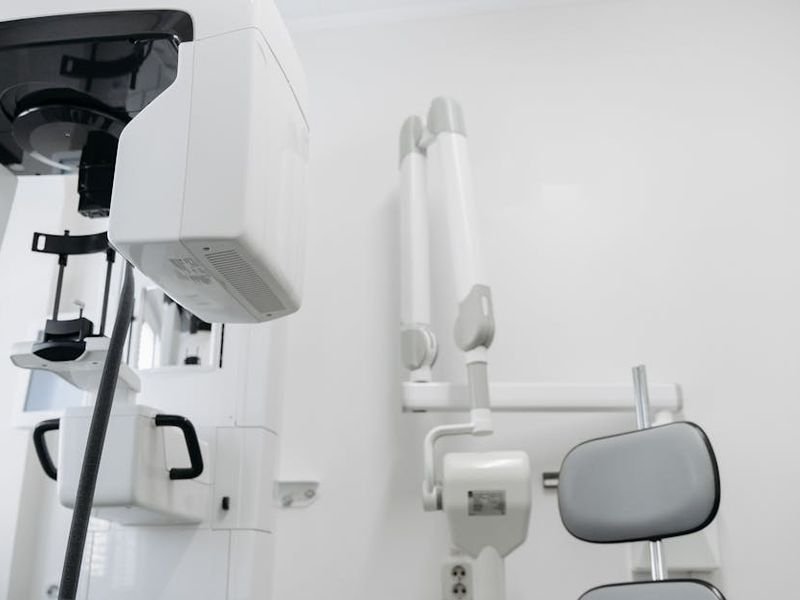
Cuenca’s best clinics are equipped with the same technologies you’d expect in dental hubs worldwide: cone beam CT (CBCT) scanners, intraoral digital scanners, CAD/CAM milling machines, and 3D printers. Digital planning allows precise implant placement, reduces anesthesia time, and improves predictability for restorations like crowns and veneers.
Clinics often offer immediate-load implant options, guided surgery, and on-site dental labs staffed by skilled technicians familiar with high-end ceramic systems. These resources reduce turnaround times and permit a streamlined experience for international patients.
Short Wait Times and Faster Scheduling
Another advantage for dental tourists is availability. Waiting lists for specialists in the U.S. or Canada can stretch weeks or months; in Cuenca many clinics can schedule initial consultations, imaging, and surgery within days to a couple of weeks. Shorter waits mean you can coordinate procedures around travel plans and minimize disruption to your life at home.
Personalized, One-on-One Patient Care
Cuenca clinics emphasize personalized service—from extended consultations to attentive follow-up care. Because many practices focus on international patients, doctors often spend more time explaining options, showing digital simulations, and creating treatment plans tailored to your timeline and budget. Expect detailed pre-op instructions, individualized anesthesia plans, and clear post-op protocols that include remote follow-up via video calls.
Recovery in a Comfortable, Beautiful Setting
Cuenca is not only practical for dental work—it’s pleasant. The city, a UNESCO World Heritage site, blends colonial charm with modern comfort. Its mild, spring-like climate (altitude about 2,560 meters/8,400 feet) is ideal for convalescence: cool, dry days, and clean mountain air encourage restful walks along the Tomebamba River or gentle sightseeing without the exhaustion of more tropical destinations.
Recovery doesn’t mean being confined to a hospital room. You can stay in a comfortable apartment near the Historic Center, enjoy quiet cafés, and visit gentler attractions like Pumapungo Museum or the Turi viewpoint. Many patients find that the calm environment speeds healing and improves morale compared to recovering at home.
Combine Dental Work with a Memorable Vacation
One of the most appealing aspects of dental tourism in Cuenca is the opportunity to pair treatment with travel. While implants sometimes require staged visits, many procedures and follow-ups can be timed so you’ll still have days free to explore:
- Spend relaxed mornings walking the cobblestone streets of the Historic Center or shopping at artisan markets.
- Take a half-day trip to Cajas National Park for gentle hikes among glacial lakes—an easy, restorative outing.
- Enjoy the city’s thriving culinary scene: local bakeries, farm-to-table restaurants, and Ecuadorian specialties are widely available.
Clinics understand this balance and will help plan your treatment schedule so recovery and leisure complement each other.
Aftercare, Warranties and Telemedicine Follow-Up
High-quality clinics in Cuenca offer warranties for implants and restorations, and many provide structured aftercare plans with telemedicine check-ins. This means that once you return home, your Ecuadorian dentist can monitor healing remotely, review photos or video, and advise on adjustments. For emergency or long-term concerns, clinics often coordinate with local specialists or refer you to regional partners.
Choosing the Right Clinic: Practical Tips
Picking the right dentist matters even more when traveling abroad. Use these practical vetting steps:
- Request full treatment plans with itemized pricing and timelines.
- Ask which implant systems and ceramic materials are used—reputable brands and lab-fabricated restorations are important.
- Look for CBCT imaging and digital planning tools in the clinic’s workflow.
- Read patient reviews and ask for before-and-after photos of similar cases.
- Confirm the warranty terms for implants and crowns and understand what follow-up care is included.
- Verify language support—English-speaking coordinators reduce misunderstandings.
Sample Dental Vacation Itineraries
Single Implant or Crown (Quick Trip: 5–7 days)
Day 1: Arrival and consultation with CBCT imaging. Day 2: Implant surgery or tooth preparation for a crown. Days 3–6: Rest, light activities, short sightseeing walks. Day 7: Post-op check and temporary crown or next steps. Return home with remote follow-up arranged.
Multiple Implants or Full-Mouth Rehabilitation (Two-Stage Plan)
Visit 1 (10–14 days): Comprehensive planning, extractions if needed, placement of implants, and temporary restorations. Recovery time at home (3–4 months) for osseointegration. Visit 2 (5–10 days): Uncovery, impressions, and placement of final crowns or bridges. Many clinics coordinate to minimize the number of visits using guided surgery and high-quality temporaries.
Practical Travel & Health Tips for Cuenca
- Altitude awareness: Cuenca sits at around 2,560 meters (8,400 ft). Mild altitude effects (mild shortness of breath, sleep changes) are common—stay hydrated, avoid heavy exertion immediately after surgery, and inform your dentist of any respiratory or cardiovascular conditions.
- Vaccinations and medication: No special vaccines are required beyond routine immunizations for most travelers, but bring a supply of any prescription medications and a copy of your prescriptions.
- Food and diet: Follow post-op dietary instructions given by your dentist. Cuenca’s markets and restaurants offer soft, nutritious options—soups, pureed vegetables, and protein-rich dishes that are easy on sensitive mouths.
- Accommodations: Stay near the Historic Center or near the clinic to reduce travel stress. Many clinics can recommend patient-friendly hotels or short-term rentals.
Safety, Hygiene and Quality Assurance
Safety is a top priority in Cuenca’s reputable clinics. Sterilization protocols mirror international standards, and clinics routinely employ cross-infection controls, single-use disposables, and up-to-date sterilization equipment. During initial inquiries, ask about sterilization procedures, instrument tracking, and waste disposal—transparent clinics will provide this information readily.
Real Patient Experiences: Value Beyond Price
Patients who choose Cuenca often report not only financial relief but surprising emotional benefits: attentive staff, the pleasure of a supportive recovery environment, and the brightening effect of a new smile surrounded by colonial plazas and mountain vistas. Many say the personal attention—longer consultations, clearer explanations, and follow-up calls—was as valuable as the savings itself.
Common Questions Answered
Will my insurance cover work in Cuenca?
Coverage varies by insurer. Some dental insurance plans reimburse portions of international treatment, but many do not. Ask for detailed invoices and procedure codes to submit claims. Even without insurance, the out-of-pocket savings are substantial.
How long will I need to stay?
Stay length depends on the procedure. Simple crowns or veneers can be done in a week; implant surgeries typically require a longer initial visit with a staged second visit months later—or you can opt for immediate-load protocols if recommended by your dentist.
What if I have complications after returning home?
Complication rates are low when you choose a reputable clinic and follow aftercare instructions. For remote concerns, many clinics provide telemedicine consultations and will coordinate local referrals if urgent in-person care is needed.
Final Thoughts: Cuenca as the Premier Dental Tourism Destination
Cuenca uniquely blends affordability and quality. You can save 60–70% on implants, crowns, and veneers without sacrificing modern technology, skilled clinicians, or personalized care. The city’s short wait times, tranquil recovery setting, and the ability to combine care with cultural exploration make it an exceptionally attractive choice for dental tourists.
If you’re considering dental work abroad, Cuenca deserves serious attention. With the right clinic and a carefully planned itinerary, you’ll return home with both an improved smile and treasured memories from one of South America’s most beautiful cities.
Next Steps: How to Start Planning
Begin by collecting quotes and treatment plans from several Cuenca clinics. Ask for CBCT images, implant brands, lab details, and warranty terms. Compare those plans to estimates from your local providers and factor in travel costs, accommodations, and recovery time. Most importantly, choose a clinic where you feel heard and supported—Cuenca’s combination of expertise, technology, cost-savings, and setting can make your dental vacation truly transformative.