
Table of Contents
Why this guide matters
Cuenca is one of Ecuador’s most livable cities: compact, historic and walkable. Still, knowing how local transport works will save you time, money and headaches—whether you’re commuting to work as an expat, heading to El Cajas for a day trip, or catching a bus to Guayaquil. This guide explains the main options, practical tips, and up-to-date advice to help you move around like a local.
Overview of transport modes in Cuenca
Cuenca’s transportation mix includes municipal and private city buses, a modern tram/light-rail line in the city core, taxis and radio-taxis, long-distance buses from the main terminal, airport transfers, and informal shared vans and collectivos for nearby towns. Pedestrians and cyclists also have a strong presence in the historic center, which is easily covered on foot.
Walkability and cycling
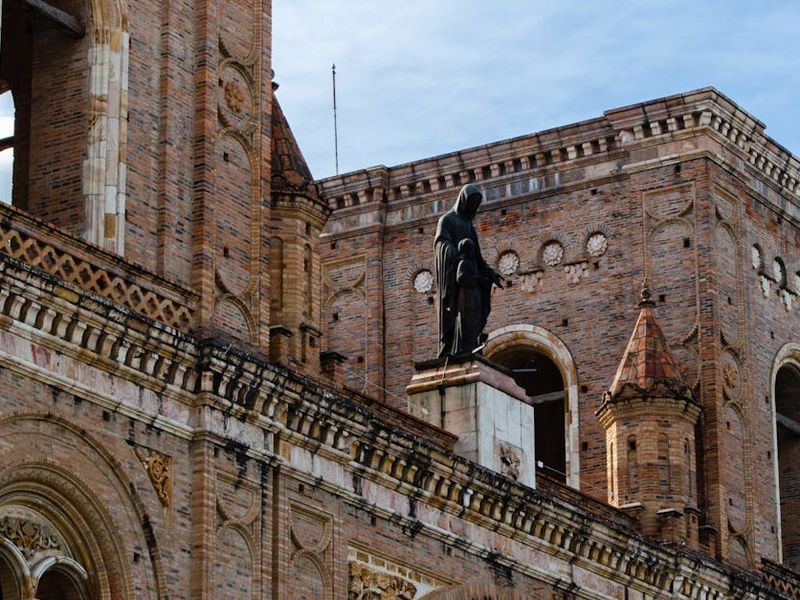
The historic core—Parque Calderón, the Cathedral, and the surrounding colonial streets—is best explored on foot. Narrow lanes, pedestrian plazas and heritage buildings make walking the most enjoyable way to get around central Cuenca. If you prefer cycling, there are growing bike lanes and bike-share initiatives in parts of the city; bring sturdy tires for cobblestones and steep streets.
City buses: how they work
Buses are the backbone of local transport. They cover most neighborhoods and are the cheapest way to get around. Buses are run by multiple private companies under municipal regulation, so vehicles and service levels vary: newer buses on main corridors are comfortable and clean, while older buses on secondary routes can be crowded and slow.
Route numbers and where to catch them
Each bus displays a route number and major destinations on the windshield. Main corridors—like Avenida España and Avenida Solano (and streets radiating from Parque Calderón)—have frequent service. If you’re not sure which bus to take, ask a vendor at a bus stop or show your destination on your phone; local commuters are usually very helpful.
Fares and payment
Most city buses accept cash only. Carry small bills and coins; drivers or conductors will accept exact change. Expect fares to be modest—typically in the low single-digit local currency (small USD amounts). Some routes and new buses may support contactless card payment or a municipal transit card, but cash remains the most reliable option.
Tips for riding city buses
- Board from the front and exit by the rear doors on buses with multiple doors.
- During peak hours (roughly 7–9 a.m. and 5–7 p.m.), buses can be crowded—keep valuables secure and be ready to step off quickly.
- Offer your seat to elderly passengers and pregnant women; this is customary.
- Ask the driver to announce or stop at your destination if it’s not obvious—many drivers will help if you speak clearly.
The tram: fast and central
Cuenca’s tram (tranvía) serves the central corridor and is a great option for straight runs across downtown. It connects key city points and is generally clean, punctual and comfortable. Because the tram follows a fixed route, it’s best used when your origin and destination sit near the line—it’s faster than buses for cross-town trips that would otherwise require transfers.
How to use the tram
- Pay attention to stations—trams stop only at marked platforms.
- Peak times fill up, so plan accordingly.
- Combine tram travel with a short bus or taxi ride to reach neighborhoods off the route.
Taxis and ride services: when to use them
Taxis are plentiful and inexpensive by North American or European standards, making them a useful option for nights out, luggage-heavy trips, or destinations not well covered by buses. Taxis can be flagged in the street, ordered by phone, or found at taxi stands near major plazas and transport hubs.
Meter vs fixed fare
Official taxis should run the meter. For late-night rides, airport transfers, or trips to distant suburbs, confirm whether the driver will use the meter or ask for a fixed fare before you get in. If the driver prefers a fixed fare, negotiate and agree on the price in advance to avoid surprises.
Safety and tips
- Prefer taxis from official stands or those assigned by your hotel—these are usually safer and more reliable.
- If traveling alone at night, use a radio-taxi company or request your hotel call one for you.
- Keep small bills for tips and small-change needs.
Intercity buses: getting to Quito, Guayaquil and beyond
The Terminal Terrestre de Cuenca is the city’s main bus station for medium- and long-distance travel. From here you can reach Quito, Guayaquil, Loja, Zamora, and many smaller towns in the highlands and Amazon foothills. Bus companies vary by comfort level—standard, executive, and luxury coaches are available.
Buying tickets
Tickets can be bought at terminal counters, small travel agencies on main avenues, or via online booking platforms that operate in Ecuador. For popular routes—especially holiday weekends and market days—reserve in advance. For shorter regional runs, show up 30–60 minutes before departure.
Luggage and boarding
Most intercity buses store checked luggage under the bus; keep valuables and documents with you. Keep your ticket stub during the journey—conductors may check it. Arrive early to find your platform and to avoid last-minute confusion.
Airport transfers: Mariscal Lamar and planning ahead
Cuenca’s airport (Mariscal Lamar) is located relatively close to the city center. Flights frequently connect Cuenca with Quito and Guayaquil. Taxis and shuttle services operate between the airport and downtown. Airport roads can be narrow and busy; allow buffering time for check-in and transfers, especially during peak travel periods.
Getting to and from the airport
- Official airport taxis and hotel shuttles are the most reliable choice—ask your hotel about a pickup.
- Negotiate or verify the fare in advance if the taxi driver won’t use a meter for the trip to/from the airport.
- If you are carrying oversized luggage, confirm the vehicle size with the driver or shuttle operator.
Regional day trips by public transport
Public transport opens the door to many of Cuenca’s best day trips. You don’t need a car to visit nearby highlights—here are a few common excursions and how to reach them:
El Cajas National Park
El Cajas is a high-Andean reserve famous for lakes, hiking and páramo scenery. Buses to the park or nearby entry points depart from the Terminal Terrestre or neighborhood departure points; ask at the terminal for the most convenient line. Alternatively, book a day tour that includes transport—often the most stress-free option for first-time visitors.
Gualaceo and Chordeleg (artisan towns)
These towns are famous for textiles and jewelry. Regional buses or shared vans depart regularly from the terminal and some downtown stands. The trip takes about an hour; bring cash for purchases and plan to return before evening if you’re relying on public schedules.
Azogues and southern towns
Buses to Azogues and other Cañar towns are frequent and inexpensive—ideal for short cultural visits or administrative business outside Cuenca.
For routes not covered by regular buses, look for collectivos—shared minibuses or vans that leave when full. They are an economical way to reach smaller villages or suburban stops. Collectivos don’t always stick to schedules, so they’re best when you have flexibility.
Accessibility and special-needs travel
While newer buses and tram stations offer improved accessibility, many older buses and stops were not built with universal access in mind. If you have mobility concerns, plan ahead: use taxi services when stair-free boarding is necessary, contact transit operators about accessible services, and leave extra time to transfer or walk between modes.
Common questions from expats and visitors
Below are quick answers to frequent practical concerns.
Is Cuenca safe for public transport?
Public transport is generally safe in Cuenca. Standard precautions apply: keep valuables out of sight, avoid empty late-night buses, and use official taxis when traveling after midnight. Locals are friendly and will often help a confused visitor find the right bus.
Should I rent a car?
Renting a car gives you flexibility for exploring rural areas and remote attractions, but it brings parking hassles and navigating narrow colonial streets. If you plan to live in Cuenca long-term and frequently travel outside the city, consider renting or buying a small car. For in-town mobility, buses, trams and taxis usually suffice.
How do I plan multi-leg trips?
Combine transport modes: use the tram for a fast downtown commute, then a taxi for the final stretch. For day trips, check intercity bus timetables the day before and reserve tickets for busy routes. When in doubt, ask at the Terminal Terrestre ticket counters or your hotel’s front desk.
Practical safety and comfort tips
- Carry small bills and coins to pay fares and for quick purchases—many drivers don’t have change for large bills.
- Learn a few Spanish transit phrases (e.g., “¿Este bus va a…?” and “Quisiera bajar en…”)—they’re useful when asking directions or confirming stops.
- Avoid wearing flashy jewelry on crowded buses; keep phones and wallets in a front pocket or inner bag.
- If traveling with luggage, keep the essentials (documents, medication, money) in a carry bag you can keep on your lap.
- During heavy rains or holiday weekends, allow extra travel time—traffic and busy terminals are common.
Final checklist for using Cuenca’s public transport
- Carry small change and a backup payment method.
- Know the name of your destination and a nearby landmark (Parque Calderón, Catedral Nueva, Terminal Terrestre).
- Confirm fares and agree on prices for taxis when meters aren’t used.
- Arrive 30 minutes early for intercity departures and keep your ticket stub.
- Use the tram for central cross-town travel and buses for neighborhood coverage.
Conclusion: move confidently around Cuenca
Cuenca’s transport system is practical, affordable and increasingly modern. With a little local knowledge—how to read routes, when to prefer a taxi, and how to plan regional trips—you can navigate the city efficiently. Walk the historic center, use the tram for fast downtown trips, catch a bus for everyday commuting, and take comfortable intercity coaches when you want to explore beyond the city limits. The city is accessible for visitors and expats alike; once you get used to local rhythms, getting around becomes second nature.
Safe travels and enjoy discovering Cuenca—one bus, tram or taxi ride at a time.
Adam Elliot Altholtz serves as the Administrator & Patient Coordinator of the “Smilehealth Ecuador Dental Clinic“, along with his fellow Expats’ beloved ‘Dr. No Pain‘, right here in Cuenca, Ecuador, and for purposes of discussing all your Dental needs and questions, is available virtually 24/7 on all 365 days of the year, including holidays. Adam proudly responds to ALL Expat patients from at least 7:00am to 9:00pm Ecuador time, again every single day of the year (and once more even on holidays), when you write to him by email at info@smilehealthecuador.com and also by inquiry submitted on the Dental Clinic’s fully detailed website of www.smilehealthecuador.com for you to visit any time, by day or night. Plus, you can reach Adam directly by WhatsApp at +593 98 392 9606 -or by his US phone number of 1‐(941)‐227‐0114, and the Dental Clinic’s Ecuador phone number for local Expats residing in Cuenca is 07‐410‐8745. ALWAYS, you will receive your full Dental Service in English (NEVER in Spanish), per you as an Expat either living in or desiring to visit Cuenca by your Dental Vacation, plus also to enjoy all of Ecuador’s wonders that are just waiting for you to come arouse and delight your senses.