
Table of Contents
Why Cuenca is a Great Place to Live Green
Cuenca’s compact historic center, walkable neighborhoods, and proximity to highland ecosystems make it one of Ecuador’s most livable cities for people who want to reduce their environmental impact. At roughly 2,500 meters above sea level the climate is mild year-round, which lowers the need for heating or heavy cooling. The city’s rivers and green corridors, nearby Cajas National Park and local agricultural supply also make low-impact living both practical and rewarding for newcomers.
Quick Start: Ten Easy Changes you Can Make This Week
- Carry a reusable water bottle and filter—tap water is treated in Cuenca, but many people prefer an inexpensive filter.
- Bring your own shopping bag and produce bags—markets and tiendas increasingly expect customers to provide them.
- Switch to LED bulbs and unplug chargers when not in use.
- Dry clothes on a line whenever possible—Cuenca’s sunshine and cool breezes work well for air drying.
- Start a small kitchen compost bin or worm box (vermicompost) for food scraps.
- Bike, walk, or take public transit for short trips in the historic center—parking is limited and streets are narrow.
- Buy from local markets and producers—lower food miles and fresher produce.
- Refuse single-use plastics when offered—straws, plastic cutlery and thin shopping bags.
- Learn basic Spanish recycling terms—separating papel, cartón, vidrio, plástico makes drop-offs easier.
- Join a local environmental group or neighborhood clean-up to meet people with shared values.
Recycling and Waste: What Works in Cuenca
Cuenca has municipal collection and a variety of private and informal recycling networks. The practical approach for expats is to set up a simple system at home: separate dry recyclables (paper, cardboard, plastics, glass, metal) from wet waste (food scraps). Many neighborhoods have puntos de reciclaje or drop-off locations—look for green boxes or ask your building manager where recyclables are collected.
Informal collectors (recicladores) are common throughout Ecuador and will often buy sorted materials; connecting with them can be both economical and helpful to the local circular economy. For items that are hard to recycle—electronics, batteries, or mixed materials—ask at larger supermarkets or municipal offices for scheduled take-back days.
Composting in an Apartment
Don’t think composting is only for houses with yards. Vermicomposting (worm bins) works well in small spaces and produces excellent fertilizer for container plants. Keep a small countertop compost pail with a tight lid, and empty it into a worm bin or a shared community compost. Make sure you avoid meat, dairy and oily foods in small bins to prevent pests. If vermiculture isn’t possible, look for community gardens or urban huertos that accept food scraps.
Energy and Heating: Small Upgrades, Big Savings
Many Cuenca homes are built with thick adobe or brick walls that naturally moderate temperature swings. Still, there are low-cost, high-impact ways to improve efficiency:
- Upgrade to LED lighting—LEDs use a fraction of the electricity of incandescent bulbs and last much longer.
- Insulate doors and windows with weatherstripping to reduce drafts—this is especially useful at night.
- Use programmable power strips and timers to cut phantom loads from electronics and kitchen appliances.
- If you have a hot water tank, consider an on-demand (instant) heater or insulate the tank to reduce energy use.
- Consider solar water heating for long-term savings—solar thermal systems are effective in the highland sun.
Because Ecuador’s electricity generation includes a large share of hydroelectric power, the grid’s carbon intensity is relatively lower than many countries. Nevertheless, reducing consumption still lowers bills and reduces pressure on local infrastructure.
Transport: Move Smart Around the City
Cuenca’s historic center is highly walkable; many expats rely on walking, biking, and short bus rides rather than owning a car. Practical transport tips:
- Walk for short errands in the centro and adjacent barrios—you’ll discover shops, cafés and artisans you’d miss by car.
- Use the city’s public buses or tram/light rail where available for longer commutes; monthly passes can save money.
- Consider an electric bicycle or pedal-assist e-bike for hilly routes—bikes are easier to park and maintain than cars.
- If you occasionally need a car, use short-term car-sharing services or rent a hybrid rather than owning a vehicle full-time.
Taxis are abundant and affordable; try to share rides or plan errands to reduce trips. Many residents combine multimodal travel—walk to a bus stop, take a bus across town, then walk the last block—this reduces emissions and keeps you active.
Food: Eat Local, Seasonal and Low-Waste
Cuenca’s proximity to fertile valleys and small farms makes it easy to eat fresh, local food. Shopping at mercados municipales and fruterías supports local producers and cuts down on packaging. Practical ideas:
- Shop at local markets for fruits, vegetables, grains and cheese—bring your own bags and produce nets.
- Buy from neighborhood bakers and butchers that use minimal packaging.
- Join a community-supported agriculture (CSA) box or farm collective if available for regular seasonal produce.
- Cook at home more often; reduce food waste by planning meals and using leftovers creatively.
For coffee and dining out, bring a reusable cup and say sin popote (no straw) or para llevar en mi termo (to go in my thermos). Many cafés will appreciate the gesture.
Gardening and Urban Agriculture
Even with limited outdoor space you can grow herbs, lettuce, tomatoes or flowers in pots on a balcony. Choose native or highland-adapted plants that handle cooler nights. If your building allows it, container gardens provide fresh produce, reduce grocery trips and enhance biodiversity.
Look for community gardens (huertos urbanos) where volunteers share plots and knowledge. These spaces are also great for meeting neighbors, practicing Spanish and learning local cultivation techniques that work at altitude.
Shopping, Clothes and Stuff: Buy Less, Buy Local
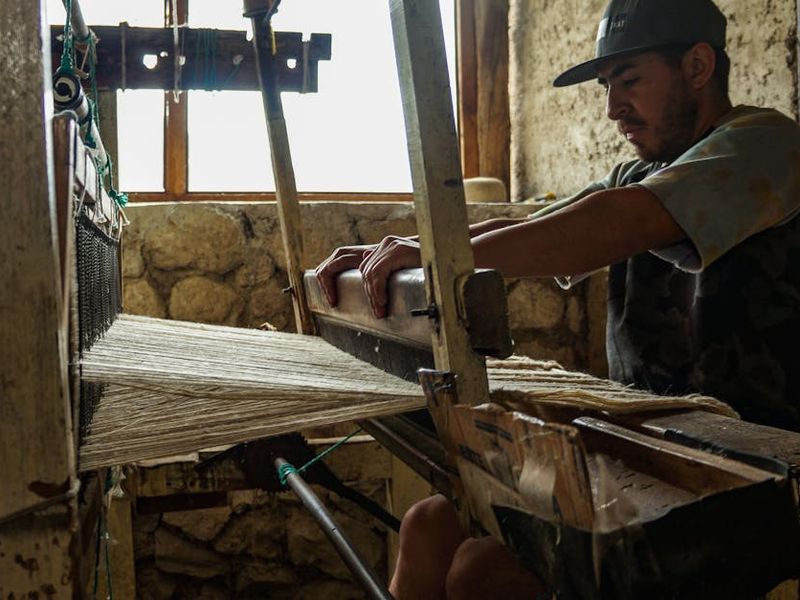
Cuenca has a thriving artisan scene—leather goods, ceramics, textiles and handwoven hats are often made regionally. Prioritize quality over quantity:
- Repair clothes and shoes locally—cobblers and seamstresses offer affordable mending.
- Shop at secondhand stores and flea markets for vintage finds.
- Choose locally made souvenirs and gifts to support the local economy and cut transport emissions.
- Avoid fast fashion—buy durable pieces and wash them less frequently to extend life.
Community and Volunteering: Get Involved
One of the fastest ways to adopt greener habits is through community. Look for neighborhood clean-up days along the Tomebamba River, tree-planting events near parks, or local environmental NGOs doing restoration work in Cajas National Park. Many expat groups and bilingual community centers post opportunities where you can volunteer your time and skills.
Joining these groups helps you learn how local systems work—where to drop recyclables, which plants thrive on balconies, and who collects e-waste—and builds social ties that make sustainable living easier and more enjoyable.
Language and Local Customs that Help
Learning a few Spanish phrases makes everyday green choices easier. Useful expressions include:
- Sin bolsa, por favor — Without a (plastic) bag, please.
- Reciclaje — Recycling; ask where the nearest punto de reciclaje is.
- Huerto comunitario — Community garden; search these to join local compost or gardening groups.
- Reutilizable — Reusable; useful when asking about containers or cups.
Small language efforts are often appreciated and open doors to learning culturally specific eco-practices.
Budgeting Your Green Transition
Going green in Cuenca doesn’t have to be expensive. Many eco-upsides save money: LEDs, line-drying, buying in bulk, cooking at home and reducing car ownership. Allocate a small monthly budget for smarter purchases—a quality water filter, a good reusable bag or a sturdy thermos—and you’ll recover that cost quickly compared to continuously buying bottled water or disposable items.
Challenges and Realities
No city is perfectly green, and Cuenca has its limits: infrastructure gaps in some neighborhoods, inconsistent recycling services in outlying areas, and seasonal market availability for certain goods. Accept that sustainability is a journey — focus on incremental changes that fit your lifestyle and budget.
Final Checklist for Newcomers
Before you settle in, consider this short checklist to set yourself up for sustainable living in Cuenca:
- Pack a reusable kit: water bottle with filter, reusable bag, cutlery, and a coffee thermos.
- Locate your nearest mercado, punto de reciclaje and public transport stops.
- Swap incandescent bulbs to LEDs and learn where to recycle batteries and electronics.
- Set up a simple composting or worm bin, even if only for kitchen scraps.
- Join a local environmental Facebook group or Meetup to learn grassroots tips and volunteer opportunities.
Living Green, Living Well
Cuenca rewards thoughtful, community-oriented lifestyles. By combining old-fashioned practices—shopping at markets, mending and growing food—with modern efficiency upgrades such as LED lighting and worm composting, expats can quickly build an eco-friendly routine. The result is not just lower bills and a smaller footprint, but a richer connection to neighbors, local producers and the unique natural landscapes that surround this beautiful Andean city.
Start small, stay curious, and let local practices and people guide you to the most effective ways to live sustainably in Cuenca.