
Table of Contents
Why Cuenca should be on your Ecuador itinerary
If you’re planning your first trip to Ecuador’s southern highlands, Cuenca is an irresistible starting point. With a compact, walkable historic center, blue-domed cathedrals, riverside promenades and a lively artisan scene, Cuenca blends colonial charm with everyday Ecuadorian life. Many expats fall in love with its steady climate, friendly neighborhoods and quality health care—making it a great place for a short visit or a longer stay.
Quick facts every first-time visitor should know
- Altitude: about 2,560 meters (8,400 feet) above sea level—mild altitude effects possible.
- Airport and access: Mariscal La Mar Airport (CUE) serves regional flights; most international travelers connect via Quito (UIO) or Guayaquil (GYE).
- Currency: US dollar (USD) is the national currency—no exchange needed on-site.
- Language: Spanish is dominant; you’ll find English in tourist hubs but learning basic phrases helps a lot.
- Plug & voltage: 120V, plugs type A/B—same as the US/Canada.
Best time to visit and what to expect weather-wise
Cuenca’s climate is famously temperate—many people describe it as “eternal spring.” However, the city does have wetter and drier months. The dry season runs roughly June through September and is an excellent time for outdoor exploring and hiking. The wetter months are typically October through May, with the heaviest rains often occurring in the earlier part of that period.
Even on dry days, mornings can be cool and afternoons pleasantly warm. Pack layers and always have a lightweight rain jacket or umbrella on hand—storms can develop quickly at this altitude.
Packing list for a comfortable visit
Think layers, sun protection and sturdy shoes. Cobblestone streets, steep stairways and riverfront promenades are best navigated in comfortable footwear. Here’s a practical list to get you started:
- Light fleece or sweater, breathable shirts for daytime
- Waterproof jacket or compact umbrella
- Sunscreen and a hat—UV is stronger at altitude
- Good walking shoes for cobblestones and short hikes
- Power bank, plug adaptors (US-style plugs work), and chargers
- Any prescription meds, plus a small first-aid kit
- Phrasebook or translation app; passport copy for emergencies
Getting around Cuenca—practical transport tips
Cuenca’s historic center is compact and easily explored on foot; many of the major sights—Parque Calderón, the Catedral Nueva and the riverside walks along the Tomebamba—are all within easy walking distance. That said, some neighborhoods and attractions sit on hills or farther out.
Local transport options:
- Taxis: inexpensive and plentiful. Agree on a fare or ask the driver to use the meter (“taxímetro”). Many hotels will call a radio taxi for safety—this is a good option late at night.
- Ride-hailing apps: services like Uber operate in Cuenca at times, but availability may fluctuate; local apps or radio taxis are reliable backups.
- Buses: cheap and frequent for short trips across the city; routes can be confusing at first, so ask your hotel for the best line or use a map app.
- Intercity buses: Terminal Terrestre connects Cuenca with Quito (about 8–9 hours) and Guayaquil (about 3.5–4 hours). Comfortable, modern buses run frequently between the major cities.
Where to stay: neighborhoods to consider
Choosing the right neighborhood can shape your first impression of Cuenca. Here are a few popular areas for first-time visitors:
- El Centro / Parque Calderón – The heart of the colonial center: close to museums, cafes and the cathedral. Ideal if you want to be in the middle of the action and walk everywhere.
- El Barranco – A charming, slightly quieter riverside area with boutique hotels, restaurants and views along the Tomebamba river.
- La Tola and Calle Larga – Trendier streets with art galleries, cafes and a lively night scene; still within easy walking distance of the center.
- Turi – Perched above the city near the Mirador de Turi; good for scenic views but expect daily climbs or short taxi rides to get to the center.
Top sights and experiences for first-timers
No visit to Cuenca is complete without seeing the iconic blue-domed Catedral Nueva standing over Parque Calderón. Beyond the postcard views:
- Museo Pumapungo – Archaeological site and ethnographic museum with Inca ruins, traditional houses and a living collection of local flora and fauna.
- Riverside walks – Stroll the paths along the Tomebamba for flower-filled terraces, artisan stalls and peaceful views of the old houses.
- Mirador de Turi – For sunset panoramas of the city and a great photo op.
- Artisan markets & workshops – Cuenca is famous for hand-woven textiles, silver jewelry and toquilla straw hats (often called “Panama” hats). Visit local talleres to see weaving demonstrations and buy directly from makers.
- Casa de la Cultura and smaller museums – Good spots to learn about regional art, traditional music and local history. Note: many museums close on Mondays, so plan accordingly.
Food and drink: what to try and where
Ecuadorian highland cuisine is rich and hearty. Some local favorites to taste in Cuenca:
- Cuy (guinea pig) – A traditional Andean specialty served roasted; try it at a reputable restaurant if you’re curious.
- Hornado – Slow-roasted pork frequently served with homestyle sides.
- Helados de paila – Artisanal sorbets made in a large copper pan, a refreshing treat after exploring the center.
- Local coffee – Ecuador grows excellent coffee; sample cups at independent cafes around Calle Larga and the riverside.
Price points: street snacks and market meals can run $2–6. Sit-down lunches at local restaurants often $4–10; mid-range restaurants $12–25. Many restaurants add a 10% service charge—check the bill.
Money, connectivity, and practicalities
Since Ecuador uses the US dollar, you won’t need to exchange currency if you arrive with USD in cash. ATMs are readily available—look for machines attached to major banks (e.g., Banco del Pacífico, Banco Pichincha). Cards are widely accepted in hotels and restaurants, but small shops and markets prefer cash.
Local SIM cards from providers like Claro and Movistar are sold at kiosks and official stores; you’ll need your passport to register. Wi‑Fi is common in hotels and cafes; most visitors find connectivity adequate for maps and messaging.
Health and safety tips for a worry-free stay
Cuenca is often cited as one of Ecuador’s safer cities, but petty theft—pickpocketing and bag-snatching—can occur anywhere tourists gather. Keep these safety basics in mind:
- Stash passports and extra cash in a hotel safe; carry only what you need while walking.
- Avoid poorly lit or deserted streets late at night; stick to popular, well-lit routes.
- Use licensed taxis or arrange rides through your hotel after dark.
- Be mindful of demonstrations and large public gatherings—observe from a distance and follow local advice.
Altitude considerations: at roughly 2,560 meters, most people adapt easily, but you may experience mild symptoms like shortness of breath or headaches. Stay hydrated, avoid heavy exertion on your first day, and consider spending your first 24 hours acclimatizing.
Water: tap water in Cuenca is treated and many locals drink it without issue; if you have a sensitive stomach, consider bottled water for the first days.
Practical Spanish phrases and cultural tips
Even a few Spanish phrases will make life easier and open doors to friendlier interactions:
- Hola / Buenos días / Buenas tardes — Hello / Good morning / Good afternoon
- ¿Cuánto cuesta? — How much does it cost?
- ¿Dónde está el baño? — Where is the bathroom?
- Gracias / Por favor — Thank you / Please
- ¿Me puede ayudar? — Can you help me?
Socially, greetings are warm: a handshake or a single cheek kiss (among women or acquaintances) is common. Dress is generally casual but neat, especially in nicer restaurants. Tipping of around 10% is customary when service isn’t already included in the bill.
Day trips and short excursions from Cuenca
Cuenca sits in a region rich with day-trip opportunities. Popular options include:
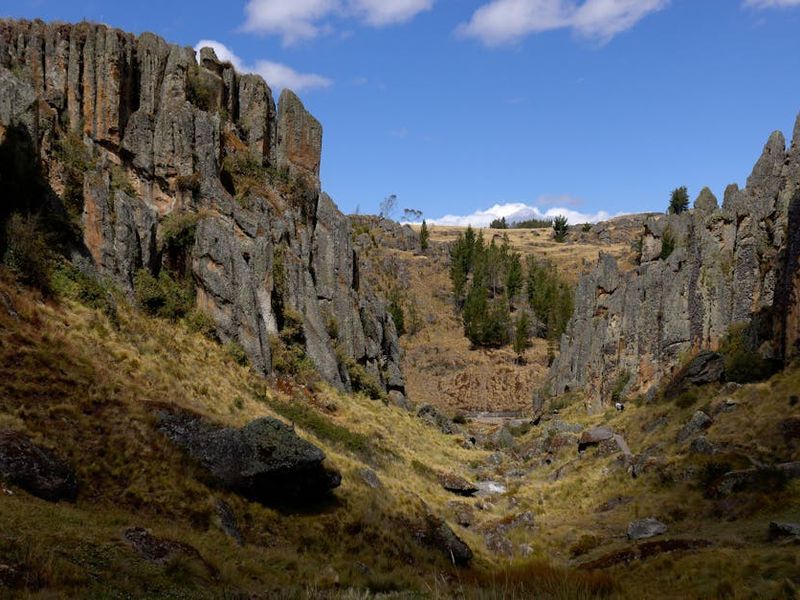
- Parque Nacional Cajas – Roughly a 45–60 minute drive from Cuenca, this highland park offers lakes, gentle hikes and dramatic moorland scenery. Dress warmly and prepare for sudden weather changes.
- Gualaceo & Chordeleg – About 40–60 minutes away, these towns are famous for textiles and silver jewelry. Chordeleg’s jewelry workshops and markets are ideal for buying handcrafted pieces.
- Ingapirca – Ecuador’s largest Inca ruins are a longer day trip (around 2–3 hours each way) but rewarding for history lovers.
Sample itineraries: 48 hours, 4 days, and one week
48 hours: Day 1—Walk the historic center, visit the Catedral Nueva and Museo Pumapungo, catch sunset at Mirador de Turi. Day 2—Explore artisan markets, stroll the Tomebamba riverbanks, enjoy an evening in El Barranco.
4 days: Add a day trip to Cajas National Park and an afternoon wandering the markets and talleres in Gualaceo and Chordeleg. Reserve time for a relaxed coffee culture experience and a cooking class or food tour.
One week: Use extra days for deeper exploration—visit Ingapirca, take a guided hike into Cajas, spend a morning at a hat-weaving workshop, and explore the café and gallery scene around Calle Larga and La Tola.
Common first-time mistakes and how to avoid them
First-time visitors often try to pack too many long-day trips into a short stay, underestimate sun and rain at altitude, or rely too heavily on taxis without checking the fare first. Avoid these pitfalls by breathing, planning realistically and leaving room for unplanned discoveries: afternoons in Cuenca are for lingering—sipping coffee, watching local life and exploring side streets you didn’t find in any guidebook.
Final tips to make your trip smoother
Register a copy of your passport with your hotel, learn a few Spanish phrases, carry small bills for markets and buses, and keep one emergency contact card in English. If you’re considering a longer stay, Cuenca makes it easy to connect with expat groups, language schools and volunteer opportunities that can deepen your experience.
With its mix of history, culture and accessible nature, Cuenca is one of those cities that rewards slow travel. Take your time, listen to local recommendations and enjoy the quieter pleasures: a late-afternoon paseo, a freshly made helado de paila, and the soft glow over the blue domes at sunset.
Ready to go?
Use this guide as a practical checklist rather than a strict agenda. Pack layers, brush up on basic Spanish, and leave space in your schedule for wandering—the best Cuenca moments often happen off the map.