
Table of Contents
Why Cuenca Should Be on Your Ecuador Itinerary
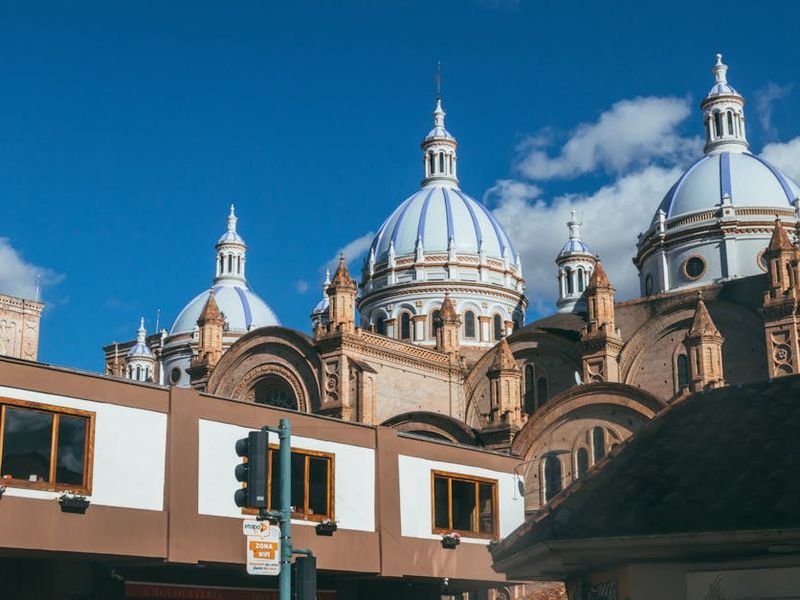
Cuenca is often described as Ecuador’s most picturesque city — colonial architecture, a relaxed pace, and the famous blue domes of the New Cathedral dominating Parque Calderón. But beyond the pretty facades there’s a living city with markets, riverside walks, mountain access, and a thriving food and arts scene. If it’s your first visit, this guide will help you arrive ready to enjoy the best of Cuenca without surprises.
Arrival Basics: Airport, Entry, and Currency
Cuenca’s airport (Mariscal Lamar International Airport, CUE) sits close to the city and handles domestic and a few international flights. If you fly in from Quito or Guayaquil you’ll save several hours compared with a bus. Many international visitors fly into Quito or Guayaquil and then take a short domestic hop to Cuenca.
Ecuador uses the US dollar, which makes budgeting straightforward for many travelers. ATMs are common in the historic center, but withdraw enough cash before long day trips — small vendors, markets and some taxis prefer cash. Credit cards are accepted at hotels and many restaurants, but always carry small bills for tips and street purchases.
Altitude and Weather: How to Pack and Acclimatize
Cuenca sits around 2,500–2,600 meters (roughly 8,200–8,500 feet), which is high enough that some visitors notice milder shortness of breath and mild headaches the first day. Plan a gentle first 24 hours: keep activity light, hydrate well, and avoid heavy meals and alcohol until you feel comfortable. If you have heart or respiratory conditions, check with your doctor before travel.
The climate feels like eternal spring — cool mornings and evenings, daytime temperatures often comfortable in the mid-teens to low 20s Celsius (50s–70s Fahrenheit). Rain is more likely October through May, so pack a lightweight waterproof jacket, an umbrella, and quick-dry layers. Sunscreen is essential: the sun is strong at altitude even when the air feels cool.
Where to Stay: Neighborhoods for First-Timers
For your first visit, choose lodging in or very close to the Centro Histórico. Staying near Parque Calderón or the Tomebamba River puts you within walking distance of major museums, cathedral terraces, restaurants and afternoon strolls. The historic center is lively by day and offers the classic Cuenca atmosphere.
If you prefer quieter streets but still want easy access to the center, look at San Sebastián — an artsy neighborhood with smaller guesthouses and cafés. For sweeping city views select a hotel near Turi (east of the center), which is a short taxi ride away and ideal for sunrise or sunset panoramas.
Getting Around: Walking, Buses, and Taxis
Cuenca is highly walkable in the center. Sidewalks along the Tomebamba River and the plazas are pleasant and flat in many places, though some streets have cobblestones, so comfortable shoes are a must.
Local buses are extremely inexpensive and reach neighborhoods further from the core. Routes are intuitive once you get a feel for the map, but they can be crowded and confusing if you’re short on time. Taxis are plentiful and inexpensive by North American standards — insist on using registered taxis, agree on the fare if a meter is not used, or ask your hotel to call one for you. Ride-hailing apps may function intermittently; check availability before relying on them.
Money Matters and Prices
Cuenca is cheaper than Quito and far cheaper than many North American or European cities, but prices are rising. Expect modest prices for street food and markets, moderate prices at sit-down restaurants, and higher rates for specialty coffee shops and upscale dining. Entrance fees to museums and churches are usually low.
ATMs are ubiquitous in and around the historic center; use machines inside banks or busy storefronts if you’re concerned about card skimming. Many places accept Visa and MasterCard, especially in tourist areas, but carry cash for small purchases, taxis, and markets.
Food and Markets: What to Try and Where
Cuenca’s food scene blends traditional Ecuadorian dishes and fresh Andean ingredients. Don’t miss these regional specialties:
- Hornado — slow-roasted pork, often served with corn and plantain.
- Locro de papas — a comforting potato and cheese soup that’s perfect for cool evenings.
- Cuy — guinea pig, a traditional Andean delicacy; try it at specialty restaurants.
- Helado de paila — artisanal, hand-frozen ice cream made in a wide copper pan.
- Empanadas and mote — great for quick, inexpensive snacks.
Visit a central market to see local life and pick up inexpensive bites and produce. Markets are also the best place to find fresh cheese, baked goods, and local fruits you might not recognize. When sampling street food, opt for busy stalls with frequent turnover — it’s a good sign of freshness.
Culture and Etiquette: Simple Local Customs to Know
Ecuadorians are warm and polite. A few cultural tips will help you fit in:
- Greet shopkeepers and hosts with a polite “buenos días” or “buenas tardes.”
- In conversation, many Ecuadorians use the formal usted with people they don’t know well — follow their lead.
- When visiting churches or convents, dress modestly and ask permission before taking photos indoors.
- Bargaining is expected at craft markets and street stalls; start low and meet the vendor in the middle.
- Tipping is appreciated but not mandatory — around 10% at restaurants where service isn’t included, or a few dollars for guides and taxi drivers for good service.
Safety and Health: Practical Precautions
Cuenca is considered one of the safer Ecuadorian cities for travelers, but petty theft — especially pickpocketing and bag-snatching — can occur. Keep your valuables secure: use a money belt or a cross-body bag with zippers, avoid carrying every document and card on you, and use hotel safes when available.
Tap water quality varies by traveler tolerance. Many locals drink tap water, but if you prefer to be cautious use bottled water for drinking, or carry a reliable water filter bottle. Pharmacies in the city are well-stocked; if you take prescription medication bring enough for your stay and a copy of your prescription.
Connectivity: SIM Cards and Wi-Fi
Major mobile carriers in Ecuador include Claro, Movistar and CNT; you can buy prepaid SIM cards in the airport, shopping centers or carrier stores downtown. Registration typically requires your passport. Prepaid data plans are affordable and make navigation and ride-hailing easier.
Wi-Fi is common in cafés, hotels and many restaurants. If you need reliable connections for remote work, look for cafés that advertise stable service or book a local coworking space for the day.
Top Day Trips and Short Excursions
Cuenca makes an excellent base for exploring southern Ecuador. Popular short trips include:
- El Cajas National Park — only about a 30–60 minute drive depending on your starting point; famous for its highland lakes, hiking trails and alpine landscapes. Dress warmly and be prepared for quickly changing weather.
- Ingapirca — the largest known Inca ruins in Ecuador, roughly 1.5–2 hours away by car. A well-preserved temple and terraces highlight the region’s Pre-Columbian past.
- Gualaceo and Chordeleg — small artisan towns east of Cuenca known for silverwork, jewelry and woven goods; great for buying locally made souvenirs and watching artisans at work.
- Turi viewpoint and the surrounding countryside — for panoramic city views, artisanal shops, and traditional local food at high-altitude eateries.
Museums, Churches, and Sights You Shouldn’t Miss
Cuenca has compact and rich cultural offerings. Key spots to visit include:
- Catedral Nueva (New Cathedral) — famous for its blue-tiled domes and interior terraces that offer city views.
- Parque Calderón — the historic heart of the city, surrounded by cafes, museums and colonial architecture.
- Museo Pumapungo — archaeological collections and ruins that give context to the region’s indigenous and colonial history.
- Convent and museum spaces — small convent museums house religious art and colonial-era artifacts; many are intimate and rich in detail.
- Riverside walks along the Tomebamba — a favorite for afternoon strolls, flowers, and bridges that frame the city’s architecture.
Festivals and the Best Time to Visit
Cuenca is lively year-round. The city’s climate makes it attractive any month, but timing your visit can depend on what you want to do. The dry season (roughly June–September) is ideal for hiking in the Cajas and enjoying sunny days. The city also hosts cultural festivals throughout the year — local religious celebrations, Independence Day events in early November, and artisanal markets that bring out regional craftspeople.
If you prefer fewer crowds and don’t mind an occasional shower, the shoulder months offer lower prices and a quieter city experience.
Practical Tips Before You Go
- Check visa requirements — many nationalities receive 90 days as tourists, but verify with your embassy beforehand.
- Make photocopies or digital copies of your passport, visa stamp, and travel insurance information.
- Bring a good pair of walking shoes — cobblestones are charming but unforgiving on weary feet.
- Pack a reusable water bottle and sunscreen; the sun at altitude is intense and hydration matters.
- Learn a few phrases in Spanish — even basic greetings and polite phrases go a long way and locals appreciate the effort.
- Purchase travel insurance that covers altitude-related issues and adventure activities if you plan to hike or explore remote areas.
Making the Most of Your First Visit
First-timers should take a relaxed approach: reserve the first day for acclimatization and orientation, book a walking tour to learn the streets and history, and sample local food in small doses to discover what you like. Strike a balance between the must-see sights like the cathedral and museums, and slower experiences like wandering markets, sipping coffee by the river, and chatting with jewelers and artisans.
Cuenca rewards curiosity. Whether you’re exploring colonial lanes, bargaining for a silver bracelet in Chordeleg, or hiking around highland lakes in Cajas, a little preparation will help you move through the city confidently and get the most from your visit.
Final Thought: Respect, Curiosity, and Patience
Cuenca has charm that grows on visitors who slow down and get curious about daily life. Treat the city’s people and traditions with respect, follow simple safety practices, and pack a sense of adventure. You’ll leave with memories of great food, stunning architecture, and the kind of relaxed rhythm that makes returning to Cuenca so tempting.
Ready to plan your first Cuenca trip? Start with a comfortable hotel in the center, an adaptable itinerary, and a few local phrases — the rest the city will provide.
Adam Elliot Altholtz serves as the Administrator & Patient Coordinator of the “Smilehealth Ecuador Dental Clinic“, along with his fellow Expats’ beloved ‘Dr. No Pain‘, right here in Cuenca, Ecuador, and for purposes of discussing all your Dental needs and questions, is available virtually 24/7 on all 365 days of the year, including holidays. Adam proudly responds to ALL Expat patients from at least 7:00am to 9:00pm Ecuador time, again every single day of the year (and once more even on holidays), when you write to him by email at info@smilehealthecuador.com and also by inquiry submitted on the Dental Clinic’s fully detailed website of www.smilehealthecuador.com for you to visit any time, by day or night. Plus, you can reach Adam directly by WhatsApp at +593 98 392 9606 -or by his US phone number of 1‐(941)‐227‐0114, and the Dental Clinic’s Ecuador phone number for local Expats residing in Cuenca is 07‐410‐8745. ALWAYS, you will receive your full Dental Service in English (NEVER in Spanish), per you as an Expat either living in or desiring to visit Cuenca by your Dental Vacation, plus also to enjoy all of Ecuador’s wonders that are just waiting for you to come arouse and delight your senses.