
Table of Contents
Why Cuenca deserves a spot on your travel list
Cuenca is an elegant colonial city perched in Ecuador’s southern highlands, beloved for its blue-domed cathedral, winding rivers, and slow, culturally rich rhythm of life. With a UNESCO-listed historic center, lively markets, and easy access to mountain lakes and artisan towns, Cuenca offers both the comfort of a walkable city and the adventure of immediate nature escapes.
If you’re coming for the first time, this guide collects practical local knowledge—what to expect on arrival, how to move around, neighborhood choices, health and safety tips, food recommendations, and simple cultural dos and don’ts. Use this as your quick-reference companion to turn uncertainty into confidence.
Arrival: airports, buses, and first steps
The city is served by Mariscal Lamar International Airport (CUE), a small airport with limited international flights; many visitors connect through Quito or Guayaquil. If you arrive by plane, expect a compact terminal; it’s quick to get into the city but be ready for the altitude change.
Long-distance buses are a common option and arrive at Cuenca’s main bus terminal. Bus travel from Guayaquil typically takes about 3.5–4 hours, depending on stops and traffic, while Quito is farther—plan on roughly 8–10 hours by road. Bus companies range from basic to comfortable; for overnight rides choose a reputable company with reclining seats.
On arrival, let your body acclimate. Cuenca sits around 2,560 meters (about 8,400 feet) above sea level. Even if you feel fine at lower altitudes, take your first day slowly: hydrate, avoid heavy exercise, and eat light meals while your body adjusts.
Where to stay: neighborhoods explained
Cuenca is compact but varied. Choosing the right neighborhood changes your experience:
- Historic Center (El Centro): The heart of the action—cathedrals, plazas, museums, and a steady stream of cafes. Best for first-timers who want to be within walking distance of landmarks.
- San Sebastián: A calmer, residential slice close to the city center with charming churches and local bakeries—ideal for evenings away from tourist bustle.
- El Barranco / Río Tomebamba: Riverside views and postcard streets; perfect if you want scenic strolls along the water and boutique hotels.
- Turi: A hillside area offering panoramic views of the city; a short taxi ride from the center and great for quieter guesthouses.
- El Batán / Yanuncay: More local and residential—good for longer stays and those seeking lower prices.
Tip: If you have mobility issues, avoid ground-floor-only thinking—many charming historic buildings have stairs and uneven cobblestones. Request a room on lower levels.
Getting around: walking, taxis, buses, and rentals
Cuenca’s core is extremely walkable. Much of the historic center is compact and best explored on foot—allow time for cobblestone streets and sudden hills. Comfortable walking shoes are a must.
Taxis are plentiful and inexpensive compared with North American or European rates. Agree on a fare before you go if the driver doesn’t use a meter. For short trips inside the center, 1–3 USD is typical, but always check with your accommodation for current expectations.
Public buses are an option and serve most parts of the city. Routes can be confusing to newcomers; ask your hotel for the best lines and approximate fares. If you plan to explore beyond Cuenca frequently, consider renting a car—roads in the highlands are well-maintained, but driving in the historic center can be stressful and parking is limited.
Must-see sights and smart visiting tips
Cuenca’s highlights are clustered, but each deserves attention:
- Catedral Nueva (New Cathedral): Recognizable by its blue domes, it’s an icon of the city. Climb to vantage points for river views if offered.
- Parque Calderón: The main plaza—people-watch, enjoy street musicians, and use it as a hub for exploring surrounding streets.
- Río Tomebamba and El Barranco: Stroll along the riverbanks and passageways carved into the cliffside; there are charming cafes and artisan shops tucked away.
- Museo Pumapungo: A fascinating museum for pre-Columbian artifacts and ethnography; its ruins and gardens are worth the visit.
- Mirador de Turi: A short drive up offers sweeping city panoramas—an excellent spot for sunset photos.
Tip: Many museums and churches have small entrance fees and restricted hours—check websites or ask at your hotel for current opening times to avoid disappointment.
Day trips and nearby gems
Cuenca makes a superb base for exploring Ecuador’s southern highlands. Consider these day trips:
- Parque Nacional Cajas: About an hour away, this protected páramo landscape has high-altitude lakes, hiking routes, and unique flora. Dress warmly—temperatures can be brisk even in daytime.
- Gualaceo and Chordeleg: These smaller towns form a popular artisan circuit. Gualaceo’s textile markets and Chordeleg’s silver and jewelry workshops are perfect for buying locally made souvenirs.
- Ingapirca (optional longer trip): The largest Incan ruins in Ecuador—reachable on a long day trip or as part of a multi-day itinerary if you’re curious about pre-Columbian history.
For each trip, leave early and bring layers, water, snacks, and a reasonably sized daypack. Weather in the highlands shifts fast, so be prepared.
Eating and drinking: classic dishes and where to try them
Cuencan cuisine is hearty and delicious. Don’t miss:
- Hornado: Slow-roasted pork, often served with hominy and llapingachos (potato patties).
- Cuy: Guinea pig is a traditional specialty—try it at a reputable restaurant if you’re adventurous.
- Locro de papas: A comforting potato and cheese soup, perfect if you’re adjusting to altitude.
- Pan de yuca: Chewy, cheesy bread—great with coffee for breakfast.
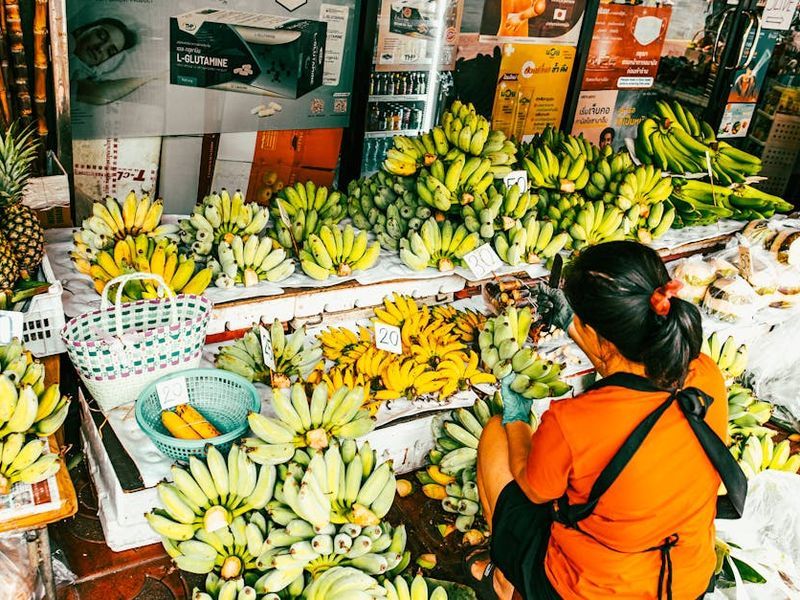
Cafes and bakeries are excellent for relaxed meals. Cuenca’s coffee culture is strong; seek out local roasters for a proper cup. For dessert, sample fruit from local markets—highland fruits are fresh and flavorful.
Practical tip: Many mid-range and upscale restaurants will accept credit cards, but market stalls, street vendors, and small eateries are cash-only. Keep small bills handy.
Health, altitude, and practical precautions
Altitude is the main health consideration—take it easy the first 24–48 hours. Symptoms of mild altitude sickness include headache, tiredness, and shortness of breath. Hydrate, avoid alcohol and heavy meals initially, and consider coca tea (mate de coca), which many local vendors offer and which some visitors find helpful.
Tap water in Cuenca is treated and many locals drink it, but if you prefer to avoid any risk, buy bottled water for your first few days. Bring sunscreen (UV is stronger at high elevation), lip balm, and a basic first-aid kit. If you take prescription medications, bring enough for your trip and copies of prescriptions.
Travel insurance is recommended—covering medical evacuation and trip interruption is particularly useful if you plan to hike in remote areas like Cajas.
Money, connectivity, and everyday logistics
Ecuador uses the U.S. dollar. ATMs are widely available in Cuenca, and many businesses accept cards, but carry cash for markets and taxis. Notify your bank of travel plans to reduce the chance of a blocked card.
Buying a local SIM card is straightforward at mobile stores (Claro, Movistar, and others). For short stays, prepaid data packages are affordable and simple to set up—bring your passport for registration. Wi-Fi is common in hotels, cafes, and restaurants, but speeds vary.
Electrical outlets use the same plugs and 110–120V voltage as the U.S., so North American travelers typically don’t need adapters. If you’re coming from Europe or elsewhere, bring an adapter and voltage-compatible chargers.
Safety and common-sense measures
Cuenca is often rated as one of Ecuador’s safer cities, especially compared to larger urban areas. Petty theft—pickpocketing and bag snatching—can still occur, particularly in crowded spots or on buses.
- Carry a decoy wallet and keep passports and extra cash in a hotel safe.
- Use a cross-body bag in busy areas and avoid flashing expensive electronics.
- Ask your hotel about neighborhoods to avoid at night and preferred taxi firms.
Stay aware during public demonstrations or strikes; they are usually peaceful but can disrupt transportation. Register with your country’s travel advisory service and follow local news if you plan to stay during a major holiday or political event.
Culture, customs, and useful Spanish phrases
Cuenca residents are known for being welcoming and polite. A few cultural tips will go a long way:
- Greet shopkeepers and servers with a simple “Buenos días/tardes”—it’s expected and appreciated.
- Formalities matter: use please (por favor) and thank you (gracias) liberally.
- Ask permission before photographing people, especially in markets or with indigenous artisans—some ask for a small fee for photos.
While English is more common in tourist areas and among younger people, Spanish is the dominant language. Learn a handful of phrases—”¿Cuánto cuesta?” (How much is it?), “¿Dónde está el baño?” (Where’s the bathroom?), and “Disculpe” (Excuse me)—they’ll smooth interactions and be appreciated.
Packing checklist for Cuenca
Pack smart for Cuenca’s mountain climate and cobbled streets. Essentials include:
- Layered clothing: light shirts, a warm sweater, and a waterproof jacket.
- Comfortable walking shoes with good grip for cobblestones.
- Sunscreen, sunglasses, and a hat (the sun is strong despite cool temps).
- A reusable water bottle, basic first-aid items, and altitude remedies if you’re sensitive.
- Portable charger, plug adapter (if needed), and a small daypack for excursions.
Sample 3-day itinerary for first-timers
To maximize a short trip, here’s a balanced 3-day outline:
- Day 1: Arrive, check into accommodation, take a gentle walk through the Historic Center, visit Parque Calderón and the Cathedral, enjoy dinner at a local restaurant.
- Day 2: Morning visit to Museo Pumapungo and artisan market, afternoon stroll along Río Tomebamba and El Barranco, sunset at Mirador de Turi.
- Day 3: Day trip to Parque Nacional Cajas or the Gualaceo/Chordeleg circuit—return in the evening for a leisurely meal and souvenir shopping.
Adjust the pace if you’re sensitive to altitude—swap a day trip for more time wandering markets and neighborhoods.
Final practical advice before you go
Check the weather forecast and local holiday calendars before packing. Confirm airport transfers in advance if you’re arriving late. Keep digital copies of important documents (passport, travel insurance) and share your itinerary with someone back home. Most importantly, allow flexibility—Cuenca rewards unhurried exploration.
With a little planning and an open mind, your first visit to Cuenca can be both comfortable and wonderfully immersive: colonial grace, friendly locals, delicious food, and immediate access to spectacular Andean landscapes. Buen viaje!