
Table of Contents
Why the Southern Highlands Deserve a Spot on Your Ecuador Itinerary
The southern Andes of Ecuador offer an irresistible mix of colonial charm, highland lakes, lush valleys and a slower pace of life that draws long-term visitors and day-trippers alike. Centered on Cuenca, with Loja to the south and the tranquil valley of Vilcabamba nearby, this region is perfect for culture-seekers, hikers, food lovers and expats scouting a new home base.
In this guide I’ll walk you through where to go, what to eat, how to move between towns, health and safety considerations, and practical tips that make travel in the Southern Highlands easy and enjoyable.
Quick Overview: Cuenca, Loja, Vilcabamba — who’s who
Cuenca is the region’s cultural and practical hub: a compact colonial city (about 2,560 m / 8,400 ft) with museums, a strong expat community, modern healthcare and a lively historic center. Loja, about an hour or two further south depending on transport choices, is smaller, quieter and known for music and a rich local culture. Vilcabamba — often called the “Valley of Longevity” — sits at a lower altitude (roughly 1,500 m / 4,900 ft) and offers a mellow, outdoorsy vibe popular with wellness travelers and retirees.
Best Time to Visit
Weather in the southern highlands is generally mild year-round but subject to microclimates. Cuenca’s dry season runs from June to September, offering crisp days and clear skies. The rainy season (October–May) brings afternoon showers but lush landscapes and fewer tourists. Vilcabamba, being lower and more sheltered, is warmer and more subtropical—pack light layers and a rain jacket anytime.
Getting There and Moving Between Cities
Flights
Cuenca’s Mariscal La Mar Airport (CUE) connects with Quito and Guayaquil on domestic flights — useful if you’re short on time. Loja’s regional airport (in Catamayo) receives some domestic flights as well. Flights can be affordable if booked in advance but are limited in frequency.
Buses and Road Travel
Intercity buses are comfortable, frequent and budget-friendly in Ecuador. Travel times (approximate):
- Cuenca to Loja: about 3.5–5 hours depending on route and stops.
- Loja to Vilcabamba: around 45–75 minutes by bus or taxi.
- Cuenca to Vilcabamba: 3.5–5 hours by direct bus or via Loja.
Buses range from basic to deluxe (with reclining seats). Overnight buses help you save daytime hours; daytime travel showcases Andean scenery. If you prefer flexibility, shared taxis and private transfers are widely available but costlier.
Getting Around Locally
Cuenca’s historic center is extremely walkable—many visitors live without a car. For farther neighborhoods, taxis are cheap; agree a price or insist the meter be used. Cuenca also has a modern tram/light rail that connects central areas with some suburbs—handy for commuters and visitors. In Loja and Vilcabamba, short taxis and local minibuses (colectivos) handle most routes.
Top Things to Do in Cuenca
Cuenca is an irresistible mix of colonial architecture and local life. Don’t miss:
- Plaza Calderón and the ornate blue-domed New Cathedral — a great starting point to orient yourself.
- Museo Pumapungo — excellent archaeology and ethnography that explains highland cultures and artifacts from the region.
- Walking along the Tomebamba River and the restored riverside terraces — a peaceful stroll with museums, cafes and artisan shops on the banks.
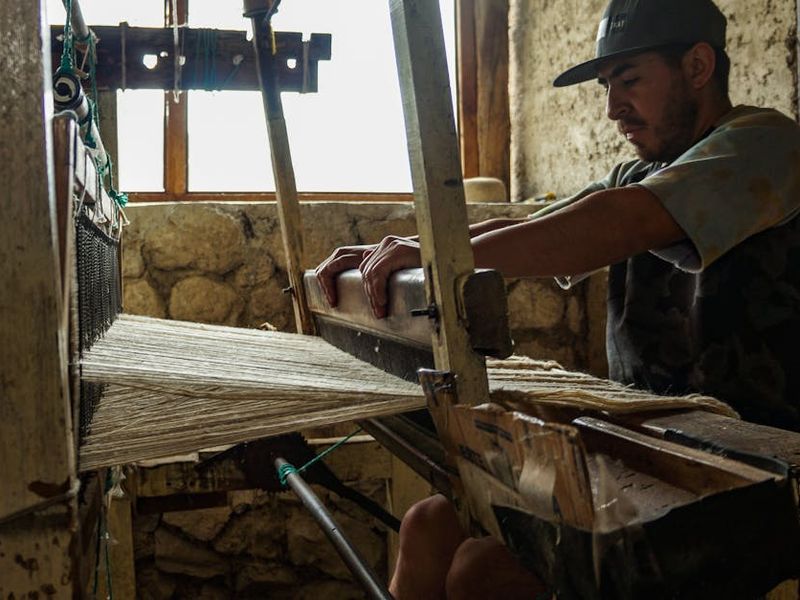
- San Sebastián neighborhood — an artsy quarter with workshops where you can see toquilla hat weaving and buy locally made handicrafts.
- Day trips to El Cajas National Park — glacial lagoons, puna (high moorland) and challenging hikes; bring warm layers and prepare for altitude.
- Markets: visit the central market for fresh fruit, local cheeses and traditional street foods like llapingachos and hornado.
Why Visit Loja and What to See
Loja is quieter but culturally rich: it’s a city of music, regional craft traditions and friendly plazas. Highlights include strolling the leafy central park, catching a local concert or performance (Loja values its musical heritage), and using the city as a base to explore nearby Podocarpus National Park — a biodiverse area with cloud forests and waterfalls that birders adore.
Loja also hosts regional markets where you’ll find local gastronomy and produce different from Cuenca’s offerings. If you enjoy small-city life with easy access to nature, Loja is a rewarding stop.
Vilcabamba: Relaxation, Trails and Wellness Culture
Vilcabamba is famous for its laid-back lifestyle, organic cafés and hiking. The town attracts people looking to slow down, practice yoga, try alternative therapies or explore nearby waterfalls and ridgelines. Popular activities are:
- Hiking to nearby peaks and viewpoints—short trails and longer treks that reveal the Ismaila River valley.
- Visiting local markets and small organic farms where you can taste tropical fruits and fresh juices.
- Relaxing in wellness retreats: massage, naturopathy and herbal clinics are common here.
- Sampling the local cuisine—fresh trout, tropical fruits and farm-to-table dishes are staples.
Food & Drink: What to Try and Where
The Southern Highlands serve hearty Andean dishes and a growing farm-to-table scene. Must-try items:
- Cuy (guinea pig) — a traditional Andean specialty available in many restaurants around Cuenca.
- Llapingachos — potato patties often served with chorizo and avocado.
- Hornado and fritada — slow-roasted and fried pork dishes found in markets and family-run eateries.
- Local cheeses and corn-based dishes — regional dairy is excellent in the highlands.
- Tropical fruits in Vilcabamba — papaya, granadilla, mango and passion fruit are at their best in lower valleys.
Cafés in Cuenca and Vilcabamba serve excellent Ecuadorian coffee; try micro-roasteries in the city and small farms’ brews near Vilcabamba.
Health, Altitude & Practical Safety Tips
Altitude
Cuenca sits at around 2,560 m—most people feel mild effects (shorter breath on exertion) but acclimatize quickly. If you plan to hike in El Cajas (3,000–4,400 m), take it slow, hydrate, and consider OTC remedies for altitude sickness if you’re prone to symptoms. Vilcabamba’s lower elevation is easier on the lungs.
Healthcare & Pharmacies
Cuenca has well-equipped hospitals and private clinics that serve international patients. Loja has capable healthcare facilities for routine needs. Vilcabamba has small clinics and pharmacies for basic care. If you require regular medication, bring an adequate supply and prescriptions.
Safety
The Southern Highlands are relatively safe, but petty theft can occur in crowded places. Practical steps to stay secure:
- Use a money belt or hidden pouch for passports and cash.
- Carry small amounts of cash for daily expenses; ATMs are common in major towns but avoid withdrawing large sums at night.
- Use licensed taxis or reputable ride apps where available; agree price upfront with street taxis.
- Avoid poorly lit areas late at night and watch your belongings in busy markets.
Practicalities: Money, Connectivity, Language
Money
Ecuador uses the US dollar, which simplifies budgeting if you’re from the United States. Credit cards are widely accepted in Cuenca and Loja; cash is better for markets and small vendors in Vilcabamba.
Connectivity
Major mobile carriers (Claro, Movistar, CNT) offer prepaid SIMs—bring your passport for registration. Wi-Fi is reliable in Cuenca’s cafes and many hotels; Vilcabamba and remote hiking areas have more limited coverage. For longer stays, consider an eSIM or a local data plan.
Language
Spanish is the dominant language; a few older people and indigenous communities also speak Kichwa or other indigenous languages. Learning basic Spanish phrases goes a long way—locals appreciate attempts to speak the language.
Where to Stay: Neighborhoods & Accommodation Types
Cuenca has a range of accommodation from boutique hotels in the historic center to furnished apartments for longer stays. Popular neighborhoods include:
- Centro Histórico — best for first-time visitors who want to be near museums, plazas and restaurants.
- San Sebastián & El Barranco — artistic neighborhoods with workshops and local flavor.
- Riverside barrios — quieter, scenic areas near the Tomebamba River.
Vilcabamba offers guesthouses, eco-lodges and small hotels focused on relaxation and nature. Loja has family-run hotels and guesthouses near the central park. For longer-term stays, monthly rentals and furnished apartments are widely available in Cuenca at different price points.
Suggested Itineraries
Long Weekend: Cuenca Essentials (3 days)
- Day 1: Historic center, Plaza Calderón, cathedral and rooftop views.
- Day 2: Museo Pumapungo and riverside walk, San Sebastián workshops and markets.
- Day 3: Day trip to El Cajas National Park or a craft villages tour to Gualaceo and Chordeleg.
One Week: Cuenca — Loja — Vilcabamba
- Day 1–3: Explore Cuenca, markets and Cajas; sample local cuisine.
- Day 4–5: Bus to Loja, visit Podocarpus area or local cultural spots.
- Day 6–7: Head to Vilcabamba for hiking, wellness sessions and relaxed afternoons.
Packing Checklist & Final Tips
Essentials for the Southern Highlands:
- Layered clothing (days can be warm; nights cool).
- Waterproof jacket and quick-dry clothes for hiking.
- Good walking shoes and a lightweight daypack.
- Sunscreen, hat and sunglasses—sun is strong at altitude.
- Basic first-aid kit and altitude remedy if you’re sensitive.
- Reusable water bottle and small change for mercados and taxis.
- Passport and photocopies — you’ll need ID for SIMs and some purchases.
Final travel tip: slow down. One of the Southern Highlands’ greatest gifts is their unhurried rhythm. Whether you’re savoring a café con leche on a plaza bench in Cuenca, listening to a street musician in Loja, or taking a long morning hike out of Vilcabamba, allow time for curiosity to guide you. You’ll leave with better stories and a clearer sense of why expats and travelers fall for this part of Ecuador.
Safe travels — and enjoy the mountains, markets and mellow valleys of Ecuador’s southern highlands.