
Table of Contents
Welcome to Cuenca: What to Expect Your First Time
Cuenca, Ecuador’s elegant southern highland city, charms newcomers with cobbled streets, red-tiled roofs and a relaxed pace of life. If this is your first visit, a little preparation goes a long way—Cuenca sits at 2,560 meters (about 8,400 feet) above sea level, has a UNESCO-designated historic center, and offers easy access to mountains, lakes and archaeological sites.
This guide focuses on practical tips for a smooth, enjoyable trip: arrival, getting around, safety, what to pack, where to eat, and the best day trips from the city.
Before You Go: Practical Planning
When to visit
Cuenca’s climate is famously mild year-round—think springlike days and cool nights. There are generally two weather patterns: dryer months (June–September) and wetter months (October–May), but showers can happen any time. If you prefer clear skies for hiking or photography, plan for the June–September window. Keep in mind local holidays and festivals (Semana Santa, Christmas, and other civic events) can bump up prices and occupancy.
Documents, currency and money tips
Ecuador uses the US dollar, which simplifies budgeting if you’re coming from the United States. Carry small-dollar bills and coins for taxis, tips and market purchases. ATMs are widely available across Cuenca—use machines attached to banks where possible and notify your card issuer before travel to avoid holds. Keep a photocopy or a digital photo of your passport in a secure place; you may need it for SIM registration or hotel check-ins.
Arriving in Cuenca
By air
Mariscal Lamar Airport (CUE) is Cuenca’s airport, with frequent flights to Quito and Guayaquil. Flights are convenient, but weather can occasionally disrupt schedules due to fog or low clouds. If you prefer more flexibility, both Quito and Guayaquil have larger airports and offer bus or connecting flight options.
By bus
Long-distance buses from Quito or Guayaquil are comfortable and economical; travel time ranges from 6 to 10 hours depending on origin and road conditions. Overnight buses can be a budget-friendly option, but be prepared for winding mountain roads—if you get motion-sick, pack remedies.
Getting Around Cuenca
Walking and the historic center
Cuenca is extremely walkable, especially the historic center surrounding Parque Calderón and the Tomebamba River. Bring comfortable shoes—the streets feature many cobbles and some steep blocks. Strolling is the best way to discover plazas, churches and artisan shops.
Public transport, trams and taxis
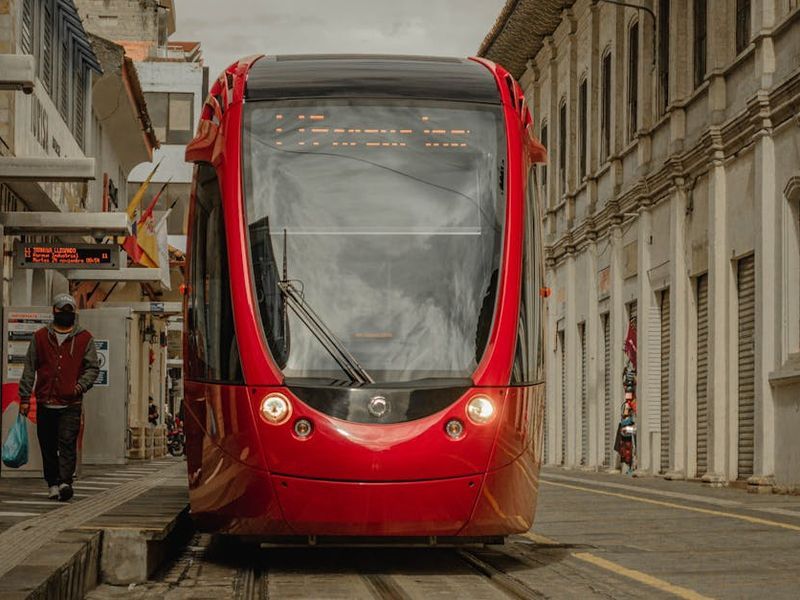
Cuenca has a modern tram (Tranvía de Cuenca) that connects key north-south points—useful for quick cross-city travel. Local buses are cheap but can be confusing for first-timers. Taxis are plentiful and inexpensive; agree on a fare before the ride if the driver doesn’t use the meter. Ride-hailing apps and remises (registered radio-taxis) operate in the city and can offer an extra layer of safety.
Health & Altitude: Stay Comfortable
Altitude awareness
At over 2,500 meters, some visitors experience mild altitude effects: shortness of breath with exertion, headaches, or trouble sleeping. Take it easy on your first day—avoid strenuous hikes, hydrate, and limit alcohol. If you have respiratory or heart conditions, consult a doctor before travel.
Medical care and pharmacies
Cuenca has good medical facilities, including private clinics and public hospitals. Pharmacies are common and often dispense medicines without a prescription, though you should bring any prescription drugs you need. The national emergency number is 911. Travel insurance that includes medical evacuation is a wise idea for international travelers.
Safety and Common-Sense Tips
Cuenca is considered one of Ecuador’s safest cities for visitors, but petty crime like pickpocketing can happen in crowded spaces and markets. Keep valuables zipped away, use a money belt or inside jacket pocket, and avoid showing large sums of cash. At night, stick to well-lit and populated areas—Tomebamba riverside promenades and the historic center are lively but take usual precautions.
Registering with your embassy or consulate and sharing an itinerary with someone at home adds an extra safety layer.
Where to Stay: Neighborhoods and Accommodation Tips
The historic center (Centro Histórico) is the most popular area for first-time visitors: you’ll be steps from the cathedral, museums and riverside walks. For a quieter, more residential feel, look at neighborhoods like El Vergel or the more modern areas north of the city center. Cuenca has options for every budget—boutique hotels in restored colonial homes, mid-range hotels, and hostels. Book ahead for high season and major holidays.
Eat Like a Local: Foods to Try and Where
Must-try dishes
- Hornado: Slow-roasted pork served with corn, plantain and mote (hominy).
- Locro de papa: A comforting potato and cheese soup, often garnished with avocado.
- Cuy: Guinea pig, a traditional Andean specialty—try it if you’re adventurous.
- Fresh fruit and juices: The markets overflow with tropical fruit you won’t find at home.
- Local coffee and bakeries: Cuenca is part of Ecuador’s highland coffee region—visit a local roaster or café.
For authentic market food, visit the Central Market (Mercado Central) for breakfast and hornado stalls. For sit-down service and inventive local cuisine, explore the restaurants around Parque Calderón and the old-town side streets.
Markets, Shopping and Local Crafts
Cuenca is a great place to shop for handmade goods. Two nearby towns, Gualaceo and Chordeleg, are famous for textiles and silver jewelry—ideal for half-day trips. Within the city, hunt for artisan shops selling woven goods, leather, and the locally ubiquitous Panama-style hats. Bargaining is common at outdoor stalls and markets; start with a friendly offer and expect to meet in the middle.
Museums, Churches and Cultural Stops
Don’t miss Museo Pumapungo, a combination archaeological park and ethnographic museum that offers a window into local cultures and pre-Columbian history. The New Cathedral (Catedral de la Inmaculada Concepción) dominates Parque Calderón with its blue domes and imposing interior. Museo del Banco Central has archaeological collections and rotating exhibits. Walk along the Tomebamba River and discover the Old Cathedral (Catedral Vieja), artisan streets and hidden plazas.
Day Trips from Cuenca
Parque Nacional Cajas
About an hour from Cuenca, Cajas National Park features high-altitude lakes (lagunas), páramo landscapes and marked hikes. Bring warm clothing and waterproof layers—weather can change fast. It’s perfect for birdwatchers, photographers and hikers who want dramatic Andean scenery.
Ingapirca and cultural routes
Ingapirca, the largest known Inca ruin in Ecuador, is a 1.5–2.5 hour drive from Cuenca depending on route. Combine a visit with stops in Cañar or small towns along the way for a full-day cultural excursion. Gualaceo and Chordeleg, known for weaving and silverwork respectively, are great for picking up souvenirs and seeing artisans at work.
Packing Checklist for Cuenca
- Layerable clothing: light shirts, fleece or sweater, a warm jacket for evenings and higher-altitude day trips.
- Comfortable walking shoes for cobblestones and trails.
- Rain jacket and small umbrella—showers can appear quickly.
- Sunscreen and a hat—UV can be strong at altitude even on cool days.
- Reusable water bottle and any prescription medicines.
- Plug adapter (Ecuador uses Type A and B plugs at 120V), power bank for long days out.
Connectivity, SIM cards and Internet
Wi-Fi is widely available in hotels, cafés and restaurants. If you need continuous data, buy a local SIM from carriers like Claro or Movistar—shops require your passport for registration. Prepaid plans are affordable and data speeds are generally good in the city; coverage can be limited in more remote areas or higher elevations.
Cultural Etiquette and Helpful Phrases
Spanish is the primary language in Cuenca. Learning a few phrases goes a long way—people appreciate effort even if they respond in English. Common niceties: greet shopkeepers and hosts with a polite “buenos días” or “buenas tardes,” and be ready for a friendly cheek-kiss greeting among women or acquaintances. Tipping is modest—restaurants often add a 10% service charge; if not, leave 10% for good service.
Final Tips to Make the Most of Your Visit
- Take your first day slowly to adapt to altitude and local rhythm.
- Reserve popular tours and accommodations in advance, especially during high season and holiday periods.
- Explore beyond the main plaza—wandering the side streets reveals cafés, galleries and quieter parks.
- Bring a flexible attitude—Cuenca’s charm is often in small encounters, spontaneous markets, and lingering over coffee in a plaza.
Cuenca is easy to fall in love with: historic yet modern, compact yet full of surprises. With sensible preparation—layers for the weather, shoes for cobbles, and a little Spanish—you’ll arrive ready to savor its food, culture and stunning Andean landscapes.
Buen viaje — enjoy your first visit to Cuenca!