
Table of Contents
Why Cuenca is a Must-Visit for Food Lovers
Cuenca’s food scene is a delicious blend of Andean tradition, coastal influences and evolving international flavors. Nestled in the southern highlands of Ecuador, this UNESCO-listed city offers hearty local comfort food, inventive contemporary restaurants and an energetic market culture where you’ll find fresh ingredients and affordable, flavorful meals. Whether you’re chasing hornado at a street stall or lingering over a multi-course tasting menu, Cuenca has something to excite every palate.
What to Expect: Dining Culture and Practical Tips
Understanding the rhythm of eating in Cuenca will make your culinary adventures easier and more rewarding. Key things to know:
- Almuerzo is king: The midday meal (almuerzo) is when many traditional eateries offer set plates—soup, main, drink and dessert—for very affordable prices, often $2–$6.
- Hours: Many local fondas and mercados serve breakfast and almuerzo; dinner service often starts around 6:30–7:00pm. Upscale restaurants may stay open later.
- Payment: Cash is handy for market stalls and family-run places. Cards are widely accepted in mid-range to upscale restaurants, but always ask if there’s a minimum.
- Tipping: A 10% tip is appreciated in restaurants; some places include a service charge, so check your bill.
- Safety and hygiene: Stick to busy stalls, look for fresh-cooked foods, and opt for bottled water if you’re sensitive—Cuenca’s tap water is treated but many visitors prefer bottled.
Must-Try Dishes in Cuenca
Before naming neighborhoods and types of restaurants, get familiar with the dishes you shouldn’t miss:
- Locro de papa: A creamy potato and cheese soup often served with avocado and aji (hot sauce).
- Hornado: Slow-roasted pork served with mote (hominy), corn, and pickled onions—classic Sunday fare and a street-food favorite.
- Fritada: Crisp-fried pork with plantains, mote and a simple salad.
- Llapingachos: Potato patties often paired with a fried egg, pork, and salad—comfort food at its finest.
- Cuy: Roasted guinea pig, a traditional Andean delicacy—try it if you want the full local experience.
- Ceviche and encebollado: Seafood dishes with coastal flavors; ceviche is citrus-cured fish, while encebollado is a hearty fish soup.
- Helado de paila and dulces: Fresh, hand-churned ice cream and local sweets are perfect endnotes to any meal.
Where to Eat: Neighborhood-by-Neighborhood Guide
Cuenca’s neighborhoods each have their own food personality. Here’s how to choose where to eat based on the vibe you want.
Historic Center (Centro Histórico)
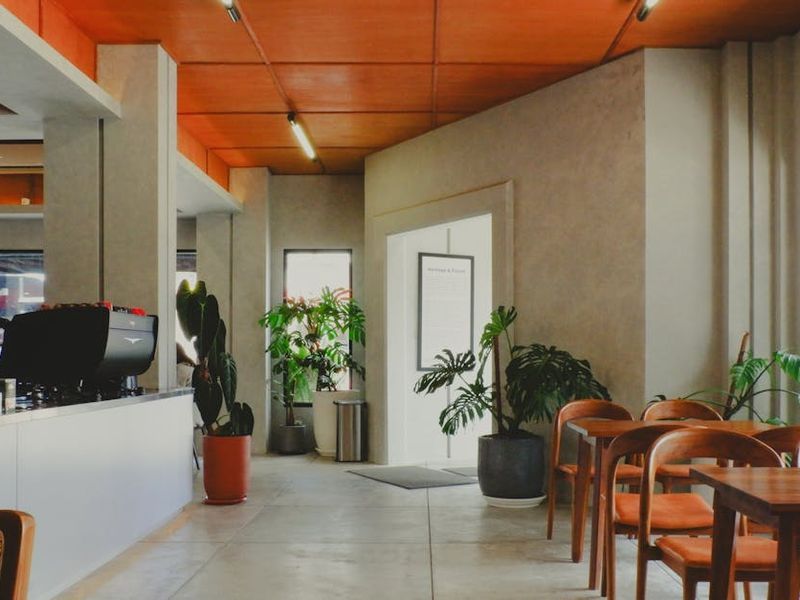
The heart of Cuenca is a great place to wander and stop at cafés, bakeries and mid-range restaurants. You’ll find places that serve traditional dishes in elegant colonial settings and small cafés perfect for brunch. Parks and plazas make for ideal outdoor dining views—try a late-afternoon coffee and a pastry after visiting the cathedral.
Calle Larga and Surrounding Streets
Calle Larga is a cafe-and-gallery corridor popular with locals and expats. It’s the place for specialty coffee, artisanal bakeries, and contemporary bistros. This area is ideal for breakfast, lunch and casual dinner, with many chefs testing fusion menus and seasonal ingredients.
Mercados and Food Halls
Mercado 10 de Agosto and other downtown markets are the best places to try inexpensive, authentic flavors. These mercados are where locals eat: big bowls of almuerzo soup, fried breads, and vendor-style desserts. Food halls and small indoor markets have a quicker, more curated selection and are often cleaner and easier for first-time visitors.
Turi and Mirador Areas
Turi, overlooking the city, is home to restaurants with views—perfect for dinner at sunset. Expect a mix of traditional dishes and elevated plates with local produce. It’s a romantic spot for dinners or a leisurely weekend brunch.
El Vergel and Residential Neighborhoods
Residential areas like El Vergel host family-run fondas and small steakhouse-style restaurants where locals dine. Prices are reasonable and the welcome is usually warm. These neighborhoods are good for meeting people and experiencing day-to-day culinary life in Cuenca.
Top Picks by Dining Style
To help you plan, here are the kinds of places you should try and what to expect at each.
Fine Dining and New-World Cuisine
Cuenca’s fine-dining scene blends local ingredients—Andean potatoes, native herbs, river fish—with international techniques. Tasting menus here are thoughtful and often highlight regional producers. Reserve ahead for weekends and dress smart-casual.
Classic Family-Run Fondas
These small, no-frills eateries are where you’ll taste the most authentic, traditional home-style cooking at low prices. Look for handwritten menus and a lunch rush—that’s a good sign. Don’t miss the almuerzo; it’s economical and filling.
Street Food and Markets
For adventurous eaters, market stalls are a goldmine: grilled meats, fresh juices, empanadas and helados. A quick tip: eat where there’s a line, consider midday visits when stock is freshest, and choose stalls that cook to order.
Vegetarian and Vegan Options
Vegetarian cuisine is increasingly visible—many restaurants offer vegetarian versions of local dishes (e.g., locro with plant-based cheese). Look for vegetarian cafés around Calle Larga and specialty menus in newer restaurants. Markets also provide fantastic plant-based options—fresh fruits, steamed corn, and hearty soups.
How to Find the Best Spots—Local Strategies
Finding great food in Cuenca is often about observation and curiosity. Here are practical strategies:
- Follow the lines: Locals know best. A busy counter at lunchtime usually means the food is both good and fresh.
- Ask market vendors: Mercados are social hubs; vendors will point you to a trusted fonda or the best ice-cream stall nearby.
- Use meal-focused searches: Look for “almuerzo”,”fonda”, and “comida típica” when searching online for affordable local meals.
- Check menus outside: Many Ecuadorian restaurants display their menú del día—good for price comparison and dish selection.
Sample Foodie Itineraries
Short on time? Here are two itineraries to maximize your eating experiences.
One-Day Cuenca Food Crawl
- Morning: Start with coffee and fresh pastry on Calle Larga; try a small plate of bolones or a cheese-filled empanada.
- Midday: Head to a mercado for an almuerzo—begin with locro de papa, then a main of fritada or hornado.
- Afternoon: Grab helado de paila in the plaza and explore local bakeries.
- Evening: Book a table at a refined restaurant for a tasting menu or head to a rooftop spot near the cathedral for a sunset view and a dish like seasonal trout.
Three-Day Deep Dive
- Day 1: Mercado breakfast and historical center cafés. Cooking class in the afternoon to learn local techniques.
- Day 2: Day trip to nearby markets and farms (many operators offer food-focused tours), dinner in a chef-driven restaurant sampling local proteins and vegetables.
- Day 3: Visit neighborhood fondas, sample street snacks, and finish with a dessert tour—helados, flan and tres leches variations.
Allergies, Dietary Restrictions, and Language Tips
Many kitchens can adapt dishes for allergies or vegetarian diets but it helps to be specific and polite. Useful Spanish phrases:
- “Soy alérgico/a a…” (I am allergic to…)
- “¿Tiene opciones vegetarianas/veganas?” (Do you have vegetarian/vegan options?)
- “Sin picante, por favor.” (No spice, please.)
If you have severe allergies, carry translations and check ingredients—Ecuadorian kitchens often use shared equipment and lard in traditional cooking.
Sustainable and Seasonal Eating in Cuenca
Look for restaurants that highlight local farmers and seasonal produce. Cuenca benefits from microclimates nearby, which means year-round access to fresh vegetables and fruits. Ask servers about local sourcing—many chefs proudly showcase the Andean heirloom potatoes, artisan cheeses and river fish that define the region.
Final Tips for Dining Like a Local
To wrap up your foodie planning, here are quick, actionable tips to make every meal memorable:
- Arrive hungry but flexible: Leave room to sample multiple small bites rather than one heavy dish.
- Try something new: Order one unfamiliar dish per meal—you’ll discover flavors not listed in guidebooks.
- Make midday meals count: Almuerzo is economical and a great way to experience traditional cookery.
- Support small businesses: Family-run fondas and market stalls keep culinary traditions alive.
- Book ahead for weekends: Popular spots fill up, especially those with views or tasting menus.
Conclusion: Eat Curiously, Eat Locally
Cuenca is a city that rewards curiosity. Whether your budget favors mercados and fondas or you prefer a plated, modern interpretation of Andean cuisine, there’s a rich diversity to explore. Let the local flavors guide you—follow the crowds, ask questions, and savor the hearty soups, roasted proteins and inventive plates that make Cuenca a destination for serious food lovers.
Buen provecho—and happy eating in Cuenca!