
Table of Contents
Why the Southern Highlands Belong on Your Ecuador Itinerary
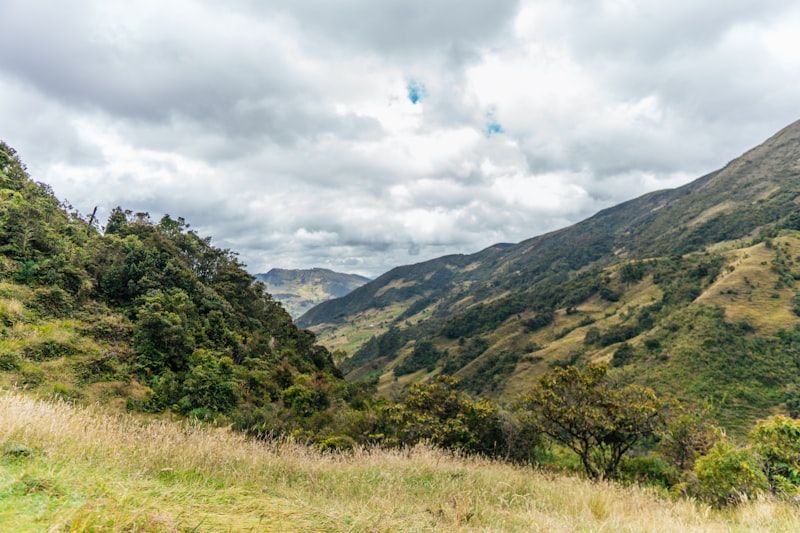
The southern highlands of Ecuador combine colonial charm, biodiverse cloud forests, and mellow mountain towns with a slower rhythm than the coast or Quito. Cuenca dazzles with white-domed cathedrals and riverside promenades; Loja hums with music and access to Podocarpus National Park; Vilcabamba draws visitors seeking fresh air, hikes, and a reputation for long-lived residents. Together they make a compact, varied route for travelers who want culture, nature, and relaxed living.
How to Move Between Cities: Planes, Buses and Private Transfers
Starting or ending your trip in Cuenca is convenient—Mariscal La Mar Airport (OCC) has regular flights from Quito and Guayaquil, which is handy if you want to avoid long mountain drives. If you prefer ground travel, major interprovincial buses connect Cuenca, Loja and Vilcabamba. Expect the following approximate travel times:
- Cuenca to Loja: 3–4 hours by bus depending on service and stops.
- Loja to Vilcabamba: 1.5–2.5 hours; roads are winding but scenic.
- Cuenca to Vilcabamba (direct): 4–6 hours depending on route.
For comfort, book executive or ‘cama’ buses for longer legs; these provide more legroom and sometimes onboard amenities. Private drivers and shuttle services are widely available if you want door-to-door transport or want to stop at attractions en route.
Best Time to Visit and What to Expect Weather-wise
The southern highlands enjoy mild, spring-like weather year-round, but microclimates vary with altitude. Cuenca sits around 2,500 meters (8,200 ft) so expect cool mornings and pleasant afternoons, with evening temperatures dipping into the low single digits Celsius (40s–50s F). Loja, slightly lower in elevation, feels a touch warmer and drier. Vilcabamba, in a valley, is often the warmest of the three with balmy afternoons.
Rainy season runs roughly from December through May, bringing lush landscapes and occasional heavy showers. If you plan lots of hiking or outdoor photography, aim for the drier months (June–November), but pack a waterproof jacket year-round and dress in layers.
Cuenca: Colonial Streets, Museums and River Walks
Cuenca is the regional hub and an excellent starting point. Its UNESCO-listed historic center centers around Parque Calderón with cathedral domes that are easy to spot. Spend time wandering the cobbled streets, ducking into artisan shops, and sitting at riverside cafes along the Tomebamba River.
Top experiences in Cuenca
- Explore the Old Cathedral area and climb to viewpoints like Turi for a panorama of the city and surrounding mountains.
- Visit museums such as the Pumapungo Archaeological Park and its ethnographic exhibits to learn about the region’s indigenous history.
- Shop for Panama hats and handmade jewelry in markets and boutiques—Cuenca’s artisans are known for quality work.
- Take a short drive to Cajas National Park for cushion-plant highland landscapes, glacial lakes and well-marked trails suitable for day trips.
- Try local specialties: locro de papa (potato and cheese soup), hornado (roast pork), and helado de paila (fruit ice cream made in a metal pan).
Practical tips for Cuenca
Choose accommodations in or near the historic center if you want to be within walking distance of major sites, but consider quieter neighborhoods along the rivers for longer stays. Taxi rides are inexpensive; agree on a price or insist on the meter. For a taste of local life, visit central markets early in the morning when vendors lay out fresh produce and homemade meals.
Loja: Music, Nature and Cultural Roots
Known as Ecuador’s musical capital, Loja offers a cultural contrast to Cuenca’s colonial bustle. The city produces musicians and hosts cultural events year-round, making it an ideal stop for concert-goers and those interested in arts and regional traditions.
Highlights around Loja
- Check out local music venues and theaters; if you can, attend a recital or small concert to experience Loja’s artistic heart.
- Visit Podocarpus National Park on day hikes to see diverse flora and fauna; guides can arrange birdwatching trips—this is a top area for birders.
- Explore the surrounding valleys and coffee plantations—coffee tasting and finca visits are popular and enlightening.
Loja logistics and safety
Loja is compact and walkable in the center, but hiring a local guide for park excursions or rural visits is wise for safety and to gain deeper context. Meals and entry fees are inexpensive, and accommodation ranges from budget hostels to comfortable inns. As in Cuenca, altitude is moderate here; if you’re traveling southwards from higher elevations, the gradual descent can feel warmer.
Vilcabamba: Valley Trails and a Slower Pace
Vilcabamba sits in a fertile valley and has a long-standing reputation as a haven for wellness seekers and retirees. The town itself is laid-back with cafes, small markets, and a hub of yoga and health-focused businesses. It’s an excellent place to decompress after urban touring.
What to do in and around Vilcabamba
- Hike local trails such as the Puyango river valley routes or climb surrounding hills for valley views. Guides or local trail maps are helpful if you want longer treks.
- Relax at organic cafes and sample local produce—Vilcabamba’s microclimate supports year-round farming of fruits and vegetables.
- Visit nearby waterfalls and smaller villages to see rural life; markets and roadside stands often offer homemade food and crafts.
Health and lifestyle considerations
Many visitors come to Vilcabamba looking for a slower pace, wellness activities and community. Healthcare options are more limited than in Cuenca, so bring any prescription medication and have a plan to travel to Cuenca for major medical needs. Internet connectivity is generally good in town but can be spotty on remote hikes.
Suggested 10-Day Southern Highlands Itinerary
To get a balanced experience of culture, nature and relaxation, try this pace:
- Day 1–3: Cuenca — Historic center, museum visits, Cajas day trip.
- Day 4–5: Ingapirca and artisan towns — Visit the Ingapirca ruins and stop in Chordeleg for silverwork and Gualaceo for textiles.
- Day 6–7: Loja — Enjoy music events, visit Podocarpus or nearby cloud forests.
- Day 8–10: Vilcabamba — Hike, relax, and connect with expat and wellness communities.
This schedule gives you time to acclimatize, enjoy slow mornings, and avoid feeling rushed while traveling mountain roads.
Food, Markets and Local Flavors
Food in the southern highlands blends Andean staples with coastal influences. In Cuenca you’ll find hearty soups, roasted meats and excellent bakeries; Loja offers a variety of traditional dishes with pronounced regional flavors; Vilcabamba focuses on fresh produce and health-conscious menus. Don’t miss street food stalls for inexpensive and satisfying meals—mote (hominy), empanadas, and freshly squeezed fruit juices are everywhere.
Safety, Money and Practicalities
The southern highlands are generally safe for travelers, but standard precautions apply: watch your belongings in crowded markets, use registered taxis at night, and avoid displaying expensive electronics in remote areas. ATMs are available in cities; credit cards are accepted at many hotels and restaurants but carry cash for markets and rural stops.
Health-wise, altitude effects are mild for most visitors in this region but can still cause tiredness or headaches. Hydrate, move slowly on the first day, and avoid heavy exertion until you feel comfortable.
Where to Stay: Options for Every Budget
Accommodation types range from hostels and guesthouses to restored colonial hotels and boutique stays. In Cuenca, look for a colonial casa with interior courtyards for atmosphere. Loja has several comfortable inns near the center, and Vilcabamba’s options skew toward small hotels and eco-lodges. If you plan a longer stay—especially as a digital nomad or expat—short-term rentals and serviced apartments are common in Cuenca.
Local Customs, Language and Practical Etiquette
Spanish is the language of daily life; a few Quechua words persist in rural communities. Learning basic Spanish phrases will improve interactions, especially in markets and smaller towns. Ecuadorians are generally warm and appreciative of polite greetings. Dress is casual, but conservative in churches and during religious ceremonies. Tip modestly in restaurants (10% where service is not included) and always ask permission before photographing people in rural settings.
Packing List for the Southern Highlands
- Layered clothing: lightweight base layers, fleece or sweater, waterproof jacket.
- Comfortable walking shoes and a sturdier pair if you plan on hiking in Cajas or Podocarpus.
- Sunscreen and sunglasses—high-altitude sun is strong even on cool days.
- Medication, insect repellent, and a small first-aid kit.
- Reusable water bottle and a daypack for short excursions.
Final Tips and Local Insights
Slow down and allow the region’s tempo to shape your trip. Spend hours people-watching in a plaza, take an unexpected detour to a rural market, or accept an invitation for a home-cooked meal. If you enjoy connecting with expats, Cuenca and Vilcabamba both have active international communities and social groups. But whatever your travel style—active, cultural, or restful—the southern highlands reward curiosity with memorable landscapes, welcoming towns, and plenty of delicious food.
Whether you’re passing through on a longer Ecuador adventure or settling in for months, this trio—Cuenca, Loja and Vilcabamba—offers a distinct tapestry of history, nature and lifestyle that’s easy to explore and hard to forget.