
Table of Contents
Why the Southern Highlands Deserve a Spot on Your Ecuador Itinerary
The southern highlands of Ecuador combine crisp mountain air, rich colonial architecture, vibrant artisan markets, and biodiverse highland and cloud-forest ecosystems. Centered around Cuenca, with cultural Loja to the south and the mellow valley of Vilcabamba nearby, this region offers something for slow travelers, outdoor enthusiasts, and people considering longer stays or retirement. Below you’ll find an on-the-ground guide with practical details, daily rhythms, and tips to help you make the most of each destination.
Quick Orientation: Geography, Climate, and Elevation
These three destinations sit on a gradient of altitude and climate: Cuenca at roughly 2,500 meters (8,200 feet) enjoys a cool, springlike climate year-round; Loja, slightly lower, has warmer evenings and a more arid feel; and Vilcabamba, tucked into a warm valley at around 1,500 meters (4,900 feet), is known for milder temperatures and a subtropical vibe. Expect daytime highs from the mid-teens to low twenties Celsius (60s–70s°F), but pack layers—mornings and evenings can be chilly.
Getting There and Getting Around
Flights and Overland Options
Cuenca’s Mariscal La Mar Airport (CUE) connects with Quito and Guayaquil, which makes it easy to fly in if you’re short on time. Overland travel showcases the landscape: buses and private shuttles run regularly between Cuenca and Loja (plan 3–5 hours depending on the service and route), while Vilcabamba is a short 1.5–3 hour ride from Cuenca by bus or shared taxi.
Local Transport
Cuenca’s historic center is compact and eminently walkable—plan most days on foot. Taxis are plentiful and inexpensive; agree on a price for short rides or ask the driver to use the meter. Loja is smaller and relaxed; walking covers many attractions, but taxis are handy for reaching hilltop viewpoints. Vilcabamba’s roads are narrow; local buses and motos are the norm. If you plan day hikes or remote trips, consider hiring a driver or tour operator for convenience and safety.
Cuenca: Colonial Charm, Culture, and Modern Conveniences
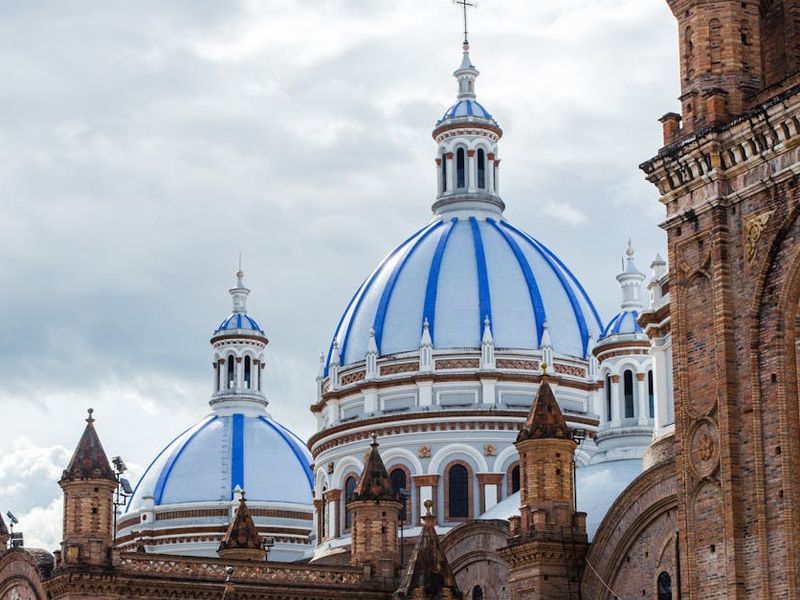
Cuenca is often the gateway to the southern highlands. Its UNESCO-listed historic center charms with cobblestone streets, flower-filled balconies, and that unmistakable blue-domed cathedral visible across Parque Calderón. Beyond the postcard views, Cuenca is a lively city with quality private healthcare, international cafes, and a strong artisan tradition.
Must-See Sights in Cuenca
- Parque Calderón and the Cathedral with its iconic blue domes—great for sunrise and people-watching.
- El Barranco—riverfront neighborhoods with galleries, restaurants, and evening promenades along the Tomebamba River.
- Museo Pumapungo—archaeology, ethnography, and demonstration gardens with pre-Columbian ruins.
- Mirador de Turi—panoramic views of the city from a hilltop church and plaza.
- Day trips: El Cajas National Park for high-mountain lakes and hiking, and the artisan towns of Gualaceo and Chordeleg famous for weaving and silverwork.
Neighborhoods and Where to Stay
For first-time visitors, stay in the historic center near Parque Calderón to be within walking distance of major sites. For quieter, scenic stays, look toward El Barranco or lodgings near Turi. Cuenca offers a range of accommodations—boutique guesthouses in restored colonial buildings, mid-range hotels, and apartment rentals for longer stays.
Food, Markets, and Culinary Tips
Cuenca’s food scene blends traditional Andean flavors with international influences. Don’t miss local staples like hornado (slow-roasted pork), locro de papa (creamy potato soup), and occasionally served cuy (guinea pig) in many traditional restaurants. The city’s markets and small eateries offer hearty breakfasts and inexpensive menus del día for lunch. Look for artisanal chocolate and coffee shops—Ecuador’s cacao is world-class.
Loja: Ecuador’s Cultural and Musical Heart
South of Cuenca, Loja has a reputation for music, arts, and a relaxed provincial pace. Its compact center hosts cultural institutions, small museums, and plazas where musicians and students converge. If you want to experience Ecuadorian culture beyond the colonial postcard, Loja is a good stop.
Highlights and Activities
- Stroll downtown plazas and catch live music—Loja is often called the cultural capital for its conservatories and festivals.
- Explore nearby cloud forests and biodiversity hotspots—Podocarpus National Park has exceptional flora and birding opportunities.
- Sample local bakeries and restaurants—restaurants here emphasize mountain produce, hearty stews, and local pastries.
Practicalities
Loja has good intercity bus connections and small clinics for basic medical needs. English is less widespread than in Cuenca, so brushing up on Spanish is beneficial. For outdoor activities, hire certified guides when you head into protected areas—this increases safety and supports local conservation efforts.
Vilcabamba: The Valley of Ease and Longevity
Vilcabamba, often called the Valley of Longevity, attracts travelers drawn to its warm climate, relaxed pace, and outdoor lifestyle. Many long-term visitors come for hiking, healthy food, and a community of international residents. The town itself is small, with a laid-back main street, organic markets, and easy access to surrounding trails and waterfalls.
What to Do in Vilcabamba
- Hike nearby trails—short loops and longer treks offer waterfall views and jungle microclimates.
- Visit local markets—look for organic produce, juices, and artisanal goods made by local families.
- Relax at a hammam or wellness center—Vilcabamba specializes in retreats, yoga, and alternative therapies.
- Take short excursions to surrounding villages and lookout points for valley panoramas.
Who Visits Vilcabamba?
Expect a mix of expatriates, retirees, backpackers, and wellness travelers. Bars and restaurants can be international in flavor, although local cuisine remains central. The vibe is slower than Cuenca and Loja—ideal if you want downtime, outdoor activity, and a community-oriented atmosphere.
Practical Travel Tips and Local Customs
Money, Costs, and Bargaining
Ecuador uses the US dollar, which simplifies budgeting. Cuenca offers a wide range of price points from budget hostels to high-end boutique hotels; Loja and Vilcabamba are generally less expensive. In markets, polite bargaining is acceptable for non-fixed-price goods—ask for 10–20% off and be friendly. Credit cards are accepted in many places, but carry cash for market stalls and small cafés.
Language and Communication
Spanish is the dominant language. In tourist areas of Cuenca you’ll find English speakers, but in Loja and Vilcabamba proficiency is lower—learn basic phrases for greetings and transactions. SIM cards with data are affordable and useful for navigation and quick translation apps.
Health, Safety, and Altitude
Altitudes vary: allow a day in Cuenca for mild acclimatization if arriving from sea level. Hydrate, avoid heavy exertion on day one, and moderate caffeine and alcohol. Cuenca has well-regarded private clinics; carry travel insurance for peace of mind, especially if planning remote hikes. As in any city, practice common-sense safety: avoid poorly lit streets at night, secure valuables, and use registered taxis when possible.
Responsible Travel and Supporting Local Communities
Respect ecosystems by sticking to marked trails, avoiding single-use plastics when possible, and choosing operators who follow sustainable practices. Buy directly from artisans in towns such as Chordeleg (silver jewelry) and Gualaceo (textiles) to support local economies. When visiting protected areas, hire local guides—this helps conservation and gives you richer context on flora, fauna, and indigenous history.
Suggested Itineraries
5-Day Intro: Cuenca + Cajas
- Day 1: Arrive in Cuenca, stroll Parque Calderón and the historic center.
- Day 2: Museo Pumapungo and riverwalk through El Barranco; evening at a rooftop café.
- Day 3: Day trip to El Cajas National Park for a lakes hike and wildlife viewing.
- Day 4: Craft towns—Gualaceo and Chordeleg for markets and silverwork.
- Day 5: Morning market visit and departure or onward travel to Loja or Vilcabamba.
10-Day Southward Journey: Cuenca, Vilcabamba, Loja
- Days 1–3: Explore Cuenca’s museums, artisan workshops, and day hikes to surrounding viewpoints.
- Days 4–6: Travel to Vilcabamba for relaxation, shorter hikes, and wellness activities.
- Days 7–10: Continue to Loja for cultural immersion, birding excursions to Podocarpus, and a taste of provincial festivals or performances.
Packing Checklist and Local Etiquette
Pack layers, a light rain jacket, sturdy walking shoes, sunscreen, and a reusable water bottle. Bring a small daypack for hikes and a Spanish phrasebook or translation app. Dress conservatively for church visits and formal events. When dining, tipping of 5–10% is appreciated in sit-down restaurants; small change for porters and drivers is customary.
Final Thoughts: Slow Down and Explore
The southern highlands reward travelers who move at a relaxed pace. Whether you’re savoring a rooftop coffee in Cuenca at dawn, wandering local markets in Loja, or watching a Vilcabamba sunset from a hillside trail, this corner of Ecuador invites lingering. Bring curiosity, respect local rhythms, and you’ll find a mix of cultural depth, natural beauty, and welcoming communities that make the southern highlands a memorable part of any Ecuador trip.
Ready to plan your trip? Start with a few flexible days in Cuenca, and let the region’s easy transport options and friendly locals guide your next steps into Loja and Vilcabamba.