
Table of Contents
Why Cuenca’s Historic Centre Deserves UNESCO Status
Cuenca’s Historic Centre — officially the Historic Centre of Santa Ana de los Cuatro Ríos de Cuenca — earned UNESCO recognition for its exceptional concentration of colonial-era urban planning, stonework, and the continuing traditions that animate its streets. The city’s grid, rivers, red-tiled roofs and ornate facades capture the Spanish colonial blueprint grafted onto an Andean hillscape, producing an atmosphere that’s both photogenic and lived-in.
Beyond aesthetic charm, UNESCO recognized Cuenca for the survival of vernacular craftsmanship, communal spaces such as plazas and markets, and the layered history visible in churches, civic buildings and archaeological sites. As you wander, you’ll notice how European Baroque and Neoclassical elements meet Andean materials and techniques — a blend that defines the city’s unique architectural identity.
How to Use This Guide
This article is designed for visitors who want to appreciate Cuenca’s built heritage on foot. You’ll find practical itineraries, photography and accessibility tips, suggestions for museums and viewpoints, and notes on logistics like transport, currency and weather. Whether you have half a day or a long weekend, read on for a route and deeper context that will turn a casual stroll into an informed exploration.
Essential Background: Urban Form and Architectural Highlights
Cuenca was laid out on a grid centered around a main plaza — today’s Parque Calderón — with the cathedral and key civic buildings placed prominently. Two rivers, the Tomebamba and the Yanuncay, slice through the city, providing riverside promenades and a natural rhythm to the streets.
Look for: elaborately carved stone portals, wooden balconies with intricate turned balusters, clay tile roofs, and sweeping cathedral domes that mark the skyline. Building materials range from dressed volcanic stone to stuccoed adobe, while decorative iron railings and painted facades add color and texture to the streetscape.
Top Sights in the UNESCO Historic Centre
Below are the must-see landmarks that capture Cuenca’s architectural breadth and depth.
- Parque Calderón and the Cathedral Complex — The city’s heartbeat. The New Cathedral’s blue-tiled domes are Cuenca’s most recognizable photo subject; the square is surrounded by cafes and colonial arcades perfect for people-watching.
- Pumapungo Archaeological Park and Museum — A short walk from the centre, Pumapungo combines Inca terraces, reconstructed ruins and ethnographic displays that trace the pre-Hispanic and colonial layers of the region.
- Old Cathedral and Church of the Company — Smaller, richly decorated churches reveal Baroque altarpieces and carved woodwork that contrast with the New Cathedral’s monumental scale.
- Riverside Walks and Historic Bridges — Crossing the Tomebamba, you’ll find a chain of historic bridges and viewpoints; each bridge frames a different angle on the city’s layered roofs and domes.
- Museo de las Conceptas and House-Museums — Converted convents and colonial homes often open as small museums, letting you step into period interiors and see original tiles, woodwork and courtyard gardens.
Suggested Walking Itineraries
Half-Day (4 hours): Highlights and Photo Stops
Start at Parque Calderón to orient yourself. Spend 30–45 minutes exploring the cathedral facades and arcades, then head south to the Tomebamba riverwalk for a leisurely 45-minute promenade and photos of the city’s roofs. Finish at Pumapungo for a focused museum visit or return to the Plaza for coffee at a terrace cafe. This route is compact and suits travelers with limited time.
Full Day (8 hours): Deep Dive into Heritage
Begin at the central plaza, move to the New Cathedral and climb (or take an elevator where available) for dome views at golden hour. After a morning coffee, walk to Museo Pumapungo and explore the archaeological terraces and ethnographic exhibits. Lunch near Calle Larga — a stretch known for artisan shops — then spend the afternoon visiting the Church of San Francisco, Museo de las Conceptas and the broken bridge viewpoint (Puente Roto). Cap your day with sunset at El Turi for panoramic photography.
Two to Four Days: Add Surroundings and Workshops
With extra time, add day trips to nearby artisan towns: Chordeleg for silver jewelry, Gualaceo for textiles, and a half-day in Cajas National Park for highland scenery. Book a hat-weaving workshop or a guided architecture tour to gain hands-on insight into local techniques and preservation challenges.
Practical Tips for Architecture Lovers
Wear comfortable shoes: historic streets are mostly cobblestone and uneven. Bring a lightweight rain jacket and layers — Cuenca’s altitude (about 2,500–2,600 meters) produces cool mornings and variable afternoons. A small binocular or phone telephoto lens helps when inspecting detailed cornices and carved stonework from a distance.
Respect sacred spaces: many churches are active places of worship. Dress modestly when entering, avoid flash photography where it’s prohibited, and be mindful during services. For interior photography rights, ask staff — small donation or purchase at the museum desk is a polite way to support upkeep.
Practical Logistics: Money, Transport and Safety
Currency and Tipping
Ecuador uses the US dollar, so carrying small bills and coins is convenient for markets and tips. Tipping is appreciated in restaurants (10% is common where not included), and a few dollars for tour guides or museum staff who provide extra help is welcomed.
Getting Around
Cuenca is eminently walkable within the historic district. For longer trips, taxis are inexpensive and plentiful; agree on a fare or ask the driver to use the meter if available. Airport transfers from Mariscal Lamar International Airport usually cost more than an inner-city ride — expect to pay a higher flat rate; many hotels offer airport shuttles for convenience.
Safety
Cuenca is one of Ecuador’s safer cities for travelers, but normal urban precautions apply: keep valuables secure, avoid poorly lit side streets late at night, and be cautious with wallet and phone use in crowded markets. Emergency services and tourist police can assist if needed.
Best Times to Visit and Weather Considerations
Cuenca’s climate is mild year-round because of its elevation. The drier months — roughly June through September — are popular for sightseeing and photography. However, even the wet season has sunny windows between showers, and the city’s cultural calendar brings festivals and artisan markets throughout the year. Peak tourist months coincide with summer and holiday periods, so book accommodation and guided tours in advance if traveling then.
Where to Eat and Rest Near the Architecture
The areas around Parque Calderón and Calle Larga are filled with cafes, bakeries and restaurants ranging from local cocina to international options. Try a hornado sandwich at a market stall for a hearty local bite or sample ceviche in a small restaurant. For coffee, look for specialty cafés that roast local beans; many have terraces facing the plaza for ideal people-watching and cathedral views.
Accommodation options cluster near the historic centre: boutique hotels in converted colonial houses are an excellent way to stay immersed in the architecture, while larger hotels offer modern amenities. If you prefer quieter nights, consider lodging a few blocks from the main square in residential barrios where you’ll still be within easy walking distance.
Photography and Where to Capture That Iconic Shot
The New Cathedral’s blue domes are best photographed at sunrise or late afternoon when the light softens and shadows sculpt the stone. For a panorama of the old town with the cathedral in the foreground, head to the El Turi viewpoint or several rooftop bars and restaurants that offer paid access or drink minimums in exchange for the view.
Textures and details tell the architectural story: spend time close-up on carved lintels, patterned tiles, ironwork and wooden balconies. Early morning is ideal for quieter streets and more flattering light. If you’re using a drone, check local regulations and respect privacy and restricted zones.
Museums, Markets and Where to See Craft Traditions
Museo Pumapungo is essential for archaeology and ethnography — expect reconstructed terraces, Incan stonework and exhibits on local indigenous cultures. Small house-museums like Museo de las Conceptas showcase convent life, courtyards and period interiors.
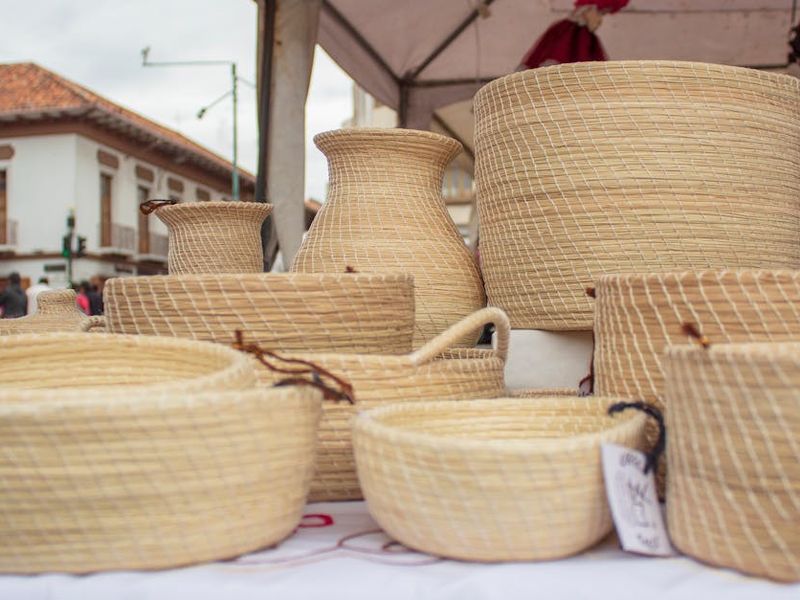
For artisan goods, browse the stalls near Parque Calderón and along Calle Larga for hats, textiles and silverwork. Chordeleg and Gualaceo, short drives from Cuenca, are traditional centers of jewelry and weaving; day trips to these towns provide both shopping opportunities and insight into craft techniques that have shaped architecture’s decorative language.
Conservation and Responsible Travel
Cuenca’s living heritage survives because people still live, work and socialize in the historic core. As a visitor, support preservation by choosing locally owned restaurants and shops, following museum guidelines, and avoiding behaviors that stress fragile fabric — for example, do not lean on or climb historic masonry features.
If you’re interested in conservation, inquire about guided programs or volunteer opportunities with local heritage organizations; many groups welcome responsible tourism partnerships that help fund restoration and community projects.
Final Tips and Quick Checklist
- Wear supportive shoes and bring a light rain jacket.
- Carry small bills in US dollars for tips and market purchases.
- Visit Pumapungo for the best context about pre-Hispanic and colonial layering.
- Head to El Turi or a rooftop terrace at sunset for city panoramas.
- Book guided walking tours for deeper architectural interpretation — many local guides speak English and can arrange specialized themes (baroque carvings, balconies, courtyard houses).
- Respect church etiquette: cover shoulders and avoid noisy behavior during services.
- Consider side trips to Chordeleg, Gualaceo and Cajas National Park if your schedule allows.
Cuenca’s UNESCO-listed centre rewards slow exploration: the more you look, the more details you’ll discover — a carved stone signature, a faded mural, a balcony that has watched generations pass. Treat the city like a layered storybook and allow time to savor both the broad vistas and the intimate corners where architecture and daily life meet.
Enjoy your walk through Cuenca’s history — and don’t forget to pause for a coffee in a sunlit plaza while the city goes about its timeless rhythms.