
Table of Contents
Introduction: Why Neighborhood Choice Matters in Cuenca
Cuenca, Ecuador, draws Americans with its colonial charm, mild mountain climate, and affordable lifestyle. But the city is not one-size-fits-all: each neighborhood offers a different mix of conveniences, costs, and character. Choosing the right barrio shapes your daily life—from how you shop and socialize to how you get to the doctor or walk to a favorite café. This guide highlights the areas where Americans commonly settle, what makes each appealing, and practical tips to help you decide where to call home.
Quick Snapshot: What Expats Usually Look For
Before diving into neighborhoods, it helps to know what most American expats prioritize:
- Access to healthcare and English-friendly services
- Walkability or easy transport to the historic center
- Safety, good lighting, and friendly neighbors
- Housing options—apartments and casas for rent or purchase
- Nearby grocery stores with familiar products
- Community—cafés, language exchanges, and expat groups
1. Historic Center (Centro Histórico): At the Heart of Cuenca
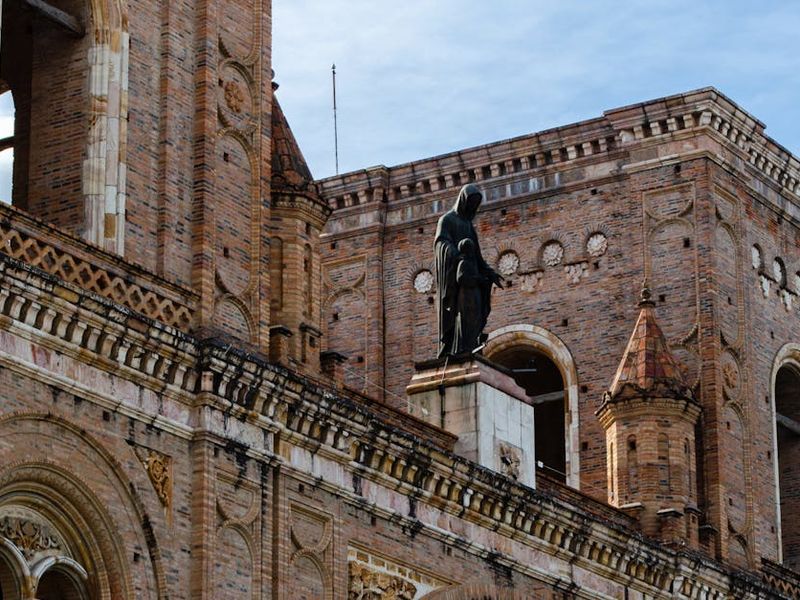
Why Americans choose it: The Centro is iconic: cobbled streets, soaring cathedral domes, riverside promenades and easy access to museums, restaurants and cultural events. For many newcomers, the Centro is the place to soak up Cuenca’s colonial atmosphere and be within walking distance of almost everything.
What to expect: Apartments range from historic lofts in restored buildings to modern condos above shops. Expect narrow streets, frequent tourists (especially on weekends), and a lively ambience. Many services—language schools, international eateries, small clinics and English-friendly businesses—cluster here.
Practical tips: If noise and tourist crowds are a concern, look for apartments a block or two away from Plaza Calderón. Parking is limited in the core, so residents commonly walk, bike, or use taxis.
2. San Sebastián: A Popular, Walkable Barrio
Why Americans choose it: San Sebastián blends a genuine neighborhood feel with quick access to the Centro. Streets are quieter than the absolute center, and many expats appreciate the residential energy combined with nearby cafes and bakeries.
What to expect: Smaller apartment buildings, family-owned tiendas, and plazas where neighbors meet. You’ll find relaxed sidewalks and green patches for morning strolls. San Sebastián is also a short walk to some of the city’s best riverside paths along the Tomebamba.
Practical tips: San Sebastián is well-suited for those who want proximity without being in the thick of tourism. Many landlords prefer longer-term tenants, and you’ll find a friendly mix of Ecuadorians and long-term foreign residents.
3. El Batán / Near the North Edge: Modern Conveniences
Why Americans choose it: El Batán and neighborhoods near the northern edge of the city offer newer construction, larger apartments, and often a quieter, suburban vibe. These areas attract expats who want more space, parking, and proximity to shopping centers.
What to expect: Modern apartment complexes, supermarkets, and sometimes small malls. Streets are wider, and driving is easier than in the Centro. If you prefer to buy a condo or a home with a small yard, this area provides more options.
Practical tips: You’ll likely need a car for errands if you choose a location on the periphery, though reliable taxis and local buses are available. Check for fiber internet access when touring properties—the newer complexes commonly offer it.
4. Yanuncay / River Corridors: Riverside Living
Why Americans choose it: Neighborhoods that border the Tomebamba or Yanuncay rivers give access to attractive riverwalks, scenic views, and often a quieter pace. Expats who enjoy regular walking routes and outdoor cafes favor these corridors.
What to expect: A mix of restored older homes and newer apartments with balconies facing the water. The river paths attract runners and families, and there are good connections to the Centro via pedestrian bridges and streets.
Practical tips: Riverside areas can be more desirable, so expect higher rents in some spots. Look at flood history when considering ground-floor units and ask about drainage or flood mitigation in the building.
5. Bellavista and Hilly Neighborhoods: Views and Tranquility
Why Americans choose it: The hills around Cuenca offer sweeping city views and cooler breezes. Americans seeking quieter, upscale living with the charm of gardens and private yards often choose hilltop neighborhoods like Bellavista.
What to expect: Larger plots, single-family houses, terraces with views, and narrower roads winding uphill. These neighborhoods feel more residential and private; some homes incorporate gardens or small greenhouses.
Practical tips: Be mindful of daily errands—steep roads can mean a challenge in wet conditions. If stairs and inclines are a problem, seek properties on gentler slopes or closer to bus lines.
6. Suburban Options: Outskirts for Space and Value
Why Americans choose it: If your priority is a larger yard, lower cost per square foot, or house-for-office setups, neighborhoods just outside the city are worth considering. These areas appeal to families, remote workers, or anyone wanting a quieter base.
What to expect: More land, multi-bedroom houses, and often gated communities. Grocery shopping and healthcare are available but may require a short drive. Some expats buy properties here for affordability and rental potential.
Practical tips: Factor in commuting time if you work or socialize in the Centro. Consider vehicle access if you live farther out—public transport may be less frequent.
Housing Costs and What to Expect in Rent or Purchase
General ranges: Monthly rents in Cuenca vary by neighborhood and amenities. Expect modest one-bedroom apartments in or near the Centro to start at lower-to-mid-range prices, while larger modern units or houses command higher rents. Purchase prices also vary—central condos and restored homes hold premium value, while newer developments on the outskirts can offer lower entry costs.
Negotiation and leases: Landlords often prefer longer-term leases, and negotiating is common. Always get lease terms in writing; typical deposits are equivalent to one or two months’ rent. Ask which utilities are included and how maintenance is handled.
Services and Amenities Americans Value
Healthcare: Cuenca has reputable private clinics and public hospitals, and many physicians speak some English—especially those serving the expat community. If having quick access to international-standard care is important, choose a neighborhood with easy taxi access to the main clinics.
Groceries and familiar products: Supermarkets and specialty shops are widespread. Chains like Supermaxi and smaller markets provide most staples; international items are available in specialty stores. Look for neighborhoods close to larger supermarkets for convenience.
Internet and telecom: Cuenca has solid 4G coverage and growing fiber-optic availability in many neighborhoods. If remote work is a priority, confirm actual installed speeds in your building and whether backup options like mobile hotspots are feasible.
Safety, Transportation and Everyday Logistics
Safety: Cuenca is generally considered safe by expats, but petty theft can occur—common-sense precautions apply. Neighborhoods with good lighting, active street life, and local police presence tend to feel safer at night.
Transportation: Most expats use a mix of walking, taxis, and buses. Ride-hailing apps operate in the city, and taxi drivers generally know the main expat neighborhoods. If you plan to drive, check parking availability; parking is scarce in the historic core.
Walking and bicycling: The Centro and San Sebastián are highly walkable. For bicycling, the riverside paths are pleasant, though remember elevation and occasional steep streets.
How to Choose the Right Neighborhood: A Checklist
- Distance to medical care: Are clinics and hospitals within a reasonable taxi ride?
- Access to groceries and markets: How far to the nearest large supermarket?
- Noise and tourism level: Do you want to be in the tourist hub or a quieter zone?
- Transportation options: Is it walkable? Are taxis or buses frequent?
- Internet and phone coverage: Confirm real-world speeds inside the unit.
- Security and lighting: Are streets well-lit at night? Is there a neighborhood watch?
- Community: Are there clubs, language exchanges, or meetups close by?
Practical Moving Tips and Local Know-How
Rent a short-term place first. Even if you plan to stay long-term, arriving with a short-term rental gives you the flexibility to test neighborhoods in person. Spend a few weeks walking different areas at different times of day to assess noise, traffic, and safety.
Learn basic Spanish. While many services cater to English speakers, speaking even modest Spanish opens doors to better rentals, neighborly goodwill, and local bargains. Consider language classes in neighborhoods you’re considering; they’re also a way to meet people.
Inspect for heating and condensation. Cuenca’s mountain climate is mild but can be damp. Ask about heating options (electric heaters are common) and check for signs of mold or poor insulation in older buildings.
Ask about utilities, trash collection, and building fees. In some buildings, monthly maintenance or condo fees cover water, garbage, and security—clarify what’s included to avoid surprises.
Where to Meet Other Americans and Integrate
Expat meetups and language exchanges are common in cafes and community centers across the Centro and San Sebastián. Churches with English services, international cooking nights, and volunteer groups are other good ways to build social connections. Your chosen neighborhood will greatly influence how easy it is to find these circles—living near the Centro makes spontaneous socializing easier, while quieter neighborhoods might require a short commute.
Final Thoughts: Matching Neighborhood Character to Your Priorities
Cuenca’s neighborhoods offer a wide range of lifestyles—from the energetic colonial core to tranquil hilltop retreats. Americans commonly gravitate toward Centro Histórico for culture and convenience, San Sebastián for neighborhood charm, and newer northern areas for modern amenities and space. Ultimately, your budget, health needs, preferred pace of life, and mobility will determine the best fit. Take time to explore, ask questions, and test your top choices before committing—Cuenca rewards those who invest in getting to know its barrios.
Quick Next Steps
- Book a short-term rental in or near the Centro for your first month.
- Spend mornings walking river paths and afternoons exploring shopping areas.
- Visit clinics and supermarkets to gauge access and comfort level.
- Join a local Facebook group or expat forum to ask residents about their neighborhoods.
With the right approach, you’ll find a Cuenca neighborhood that feels like home—whether you want colonial charm, riverside serenity, or the quiet comfort of a hilltop house.