
Table of Contents
Why Cuenca’s Historic Center Is Worth Visiting
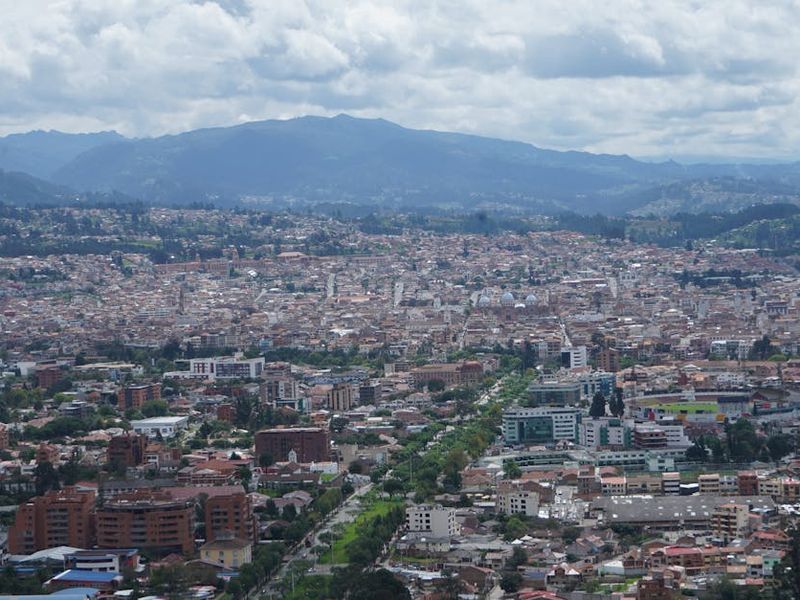
Cuenca’s historic center is one of Latin America’s best-preserved colonial ensembles. Designated a UNESCO World Heritage Site in 1999, the city combines Spanish colonial planning with Andean building traditions, producing a streetscape of red-tiled roofs, carved wooden balconies, and dramatic church domes. For travelers who love architecture, history and slow city strolls, Cuenca delivers an intimate, easy-to-navigate experience where every corner feels photogenic and meaningful.
Quick Practical Facts Before You Go
Cuenca sits at about 2,560 meters (roughly 8,400 feet), so give yourself a day to acclimatize if you arrive from lowland areas. The city’s international airport (CUE) connects with Quito and Guayaquil; taxis and shuttle vans can reach the historic center in 20–30 minutes depending on traffic. The best time to enjoy long, dry walks is during the drier months (roughly June–September), but Cuenca is pleasant year-round—pack layers for cool mornings and sun protection for the afternoons.
Iconic Sights and Architectural Highlights
Start your architectural exploration at Parque Calderón, the social and geographical heart of the city. From here you can see several defining elements of Cuenca’s UNESCO zone:
- The New Cathedral (Catedral de la Inmaculada Concepción) — recognizable by its striking blue-and-white tiled domes, this neo-gothic/neoclassical hybrid is the city’s dominant landmark. Its domes catch the light beautifully in the morning and again at golden hour.
- The Old Cathedral (El Sagrario) — adjacent to the New Cathedral, the older church now functions as a museum and reminds visitors how layers of history overlap in the same plazas.
- Calle Larga — the elegant thoroughfare lined with cafes, shops and restored facades, offering a sense of the city’s civic life and commerce through the centuries.
- The Tomebamba River & El Barranco — walk along the riverbanks to see terrace gardens, manicured promenades and the steep facades of El Barranco, a neighborhood where colonial houses descend toward the water.
- Museo Pumapungo — more than a museum, Pumapungo is an archaeological and ethnographic complex with Inca-period ruins, colonial-era artifacts and beautiful pre-Columbian collections that place Cuenca’s architecture in a larger cultural context.
Architectural Styles and Details to Watch For
Cuenca’s architecture reflects several influences. The Spanish colonial grid and central plaza are obvious legacies, but local materials and artisans introduced regional textures and techniques. Look for:
- Carved wooden balconies and intricately detailed window lintels—some of the most photogenic elements of residential facades.
- Exposed brickwork, terracotta roof tiles and slate roofs that vary with periods and restorations.
- Church facades that mix Baroque ornamentation with neoclassical restraint; interiors often surprise with richly frescoed altars and wooden choir stalls.
- Private patios and interior courtyards (patios) visible through open gates—these reveal the Spanish colonial typology adapted to Ecuador’s climate.
A One- (and Two-) Day Architecture-Focused Itinerary
To really soak in the architecture, plan at least one full day in the historic core; two days lets you move at a slower pace and include museums.
Day 1: Heart of the Historic Center
Morning: Start at Parque Calderón. Spend time photographing the New Cathedral from different angles—cross the square and walk to the long vantage points on Calle Larga. Grab coffee at a nearby café and watch early activity.
Late morning: Visit the Old Cathedral and the Museo del Banco Central (or other nearby municipal museums) to see ecclesiastical art and learn the story of the city’s foundation.
Afternoon: Stroll along the Tomebamba River and El Barranco. Take the pedestrian walkways that follow the river; the terraces and fountains make for a pleasant break. Finish the day at a viewpoint or terrace cafe for sunset.
Day 2: Neighborhoods and Museums
Morning: Spend a few hours at Museo Pumapungo. Its combination of archaeological ruins and ethnography places the colonial buildings in relation to the pre-Hispanic history of the region.
Afternoon: Explore smaller plazas and quieter streets—San Sebastián and Santa Ana neighborhoods have charming houses and community workshops. Visit an artisan market to see Toquilla straw weavers (Panama-style hat makers) and local textile artists at work.
Museums and Interiors Worth the Time
While the streets are the main attraction, several interior spaces deepen your appreciation of Cuenca’s cultural layering.
- Museo Pumapungo — an archaeological center with Inca terraces and ethnographic exhibits about regional cultures; excellent for context.
- Museo de las Conceptas — if open during your visit, this convent-museum offers insights into religious life and preserved colonial furnishings.
- Museo Municipal de Arte Moderno — see how contemporary artists respond to Cuenca’s built environment.
Photographing Cuenca’s Urban Fabric
Cuenca is a dream for photographers, but a few practical tips will help you get the best images:
- Shoot in the morning or late afternoon for softer light on the cathedral domes and facades.
- Use a wide-angle lens for tight streets and cathedral interiors; a 50mm or 85mm is ideal for balcony details and textures.
- Try looking upward: many of the most engaging details are above street level—balconies, eaves and ceiling beams.
- Respect private property—don’t climb gates or step into courtyards without permission. Ask before photographing people in their doorways or artisanal stalls.
Where to Eat, Shop and Rest Between Walks
Cuenca’s historic center has plenty of places to pause. For an authentic local food experience, try one of the bustling markets or a family-run comedor. The Mercado 10 de Agosto and Central Market serve traditional soups, roasted meats, fresh fruit and juices. If you prefer a sit-down meal after a long walk, there are many small restaurants and patisseries on Calle Larga and surrounding lanes.
For shopping, support artisans who sell textiles, silver and toquilla hats. Buying directly from makers helps keep traditional crafts alive. For lodging, consider staying in a boutique hotel or guesthouse inside the historic core—waking up to cobblestones and church bells is part of the charm.
Responsible Travel and Conservation Tips
Cuenca’s historic center is a living neighborhood, not just a museum. Here are ways to tread lightly while you enjoy the architecture:
- Keep to designated paths and public areas—climbing on fragile walls or leaning on wooden balconies can cause damage.
- Choose guided tours that emphasize conservation and hire local guides who reinvest in the community.
- Be mindful of noise in residential zones—many people live above shops and restaurants.
- Respect museum rules about flash photography or restricted areas to help preserve artifacts and painted surfaces.
- Consider offsetting your visit by contributing to local preservation efforts or buying from certified artisans.
Accessibility and Getting Around
Cobblestone streets and stairs are common in Cuenca’s oldest neighborhoods, so mobility can be a challenge for some visitors. If you have limited mobility, plan ahead: many museums and some major sites offer ramps or alternate entrances, and taxis are plentiful for short hops between sights. Comfortable shoes and a moderate walking pace will make the difference between a tiring day and an invigorating one.
Safety, Local Customs and Useful Phrases
Cuenca is generally safe for tourists, but always use common sense—keep valuables secure and be cautious with late-night walks in less-lit areas. Tipping is customary in restaurants (around 10% if service is not included). A few Spanish phrases go a long way—“¿Cuánto cuesta?” (How much?), “¿Dónde está…?” (Where is…?), and “Gracias” are all appreciated. Locals are friendly and often eager to share the city’s history if you ask politely.
Final Notes: Savor, Don’t Rush
The true pleasure of Cuenca’s UNESCO historic center comes from lingering. Sit on a bench in Parque Calderón with a coffee, explore a little side street, step into a church for a few quiet minutes, and allow the layered history to reveal itself. Whether you’re an architecture aficionado, a photographer, a history buff or an inquisitive traveler, Cuenca offers a compact, richly textured urban experience where every building tells part of a larger story.
With practical planning—considering altitude, weather and walking distances—your visit can combine must-see landmarks and unexpected discoveries. Walk respectfully, support local artisans, and let the city’s colors, textures and quiet elegance sink in. Cuenca’s architecture is not just a collection of buildings; it’s a living conversation between past and present.
Adam Elliot Altholtz serves as the Administrator & Patient Coordinator of the “Smilehealth Ecuador Dental Clinic“, along with his fellow Expats’ beloved ‘Dr. No Pain‘, right here in Cuenca, Ecuador, and for purposes of discussing all your Dental needs and questions, is available virtually 24/7 on all 365 days of the year, including holidays. Adam proudly responds to ALL Expat patients from at least 7:00am to 9:00pm Ecuador time, again every single day of the year (and once more even on holidays), when you write to him by email at info@smilehealthecuador.com and also by inquiry submitted on the Dental Clinic’s fully detailed website of www.smilehealthecuador.com for you to visit any time, by day or night. Plus, you can reach Adam directly by WhatsApp at +593 98 392 9606 -or by his US phone number of 1‐(941)‐227‐0114, and the Dental Clinic’s Ecuador phone number for local Expats residing in Cuenca is 07‐410‐8745. ALWAYS, you will receive your full Dental Service in English (NEVER in Spanish), per you as an Expat either living in or desiring to visit Cuenca by your Dental Vacation, plus also to enjoy all of Ecuador’s wonders that are just waiting for you to come arouse and delight your senses.