
Table of Contents
Introduction: Why Cuenca’s Historic Center Matters
Cuenca’s historic center, officially the Historic Centre of Santa Ana de los Ríos de Cuenca, earned UNESCO World Heritage status for its exceptionally well-preserved mix of colonial and republican architecture. Strolling its streets reveals layers of history in churches, plazas, arcades, and private homes that have shaped the city for centuries. This guide helps visitors move beyond postcards to understand, photograph, and appreciate the built fabric that makes Cuenca unique.
Understanding the UNESCO Designation
UNESCO recognized Cuenca for both the integrity of its historic urban layout and the high quality of its individual buildings. The designation covers the compact, walkable heart of the city where plaza-based life, ornate churches, and civic buildings create a coherent visual story. Unlike many heritage sites that focus on a single monument, Cuenca’s value lies in the ensemble—the continuity of tile roofs, stone facades, carved wooden doors, iron balconies, and inner patios that give the city its character.
Top Architectural Highlights to See
Start at Parque Calderón, the civic and social core. From there you can reach the main sights on foot in a comfortable loop. Key highlights include:
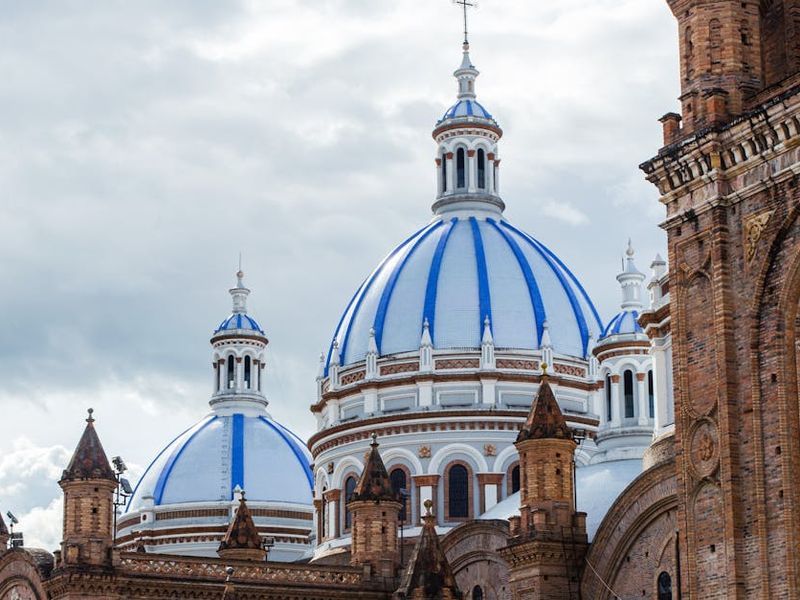
- The New Cathedral (Catedral de la Inmaculada Concepción) — Famous for its striking blue domes and sweeping façade, the cathedral dominates the skyline. Notice how its vast scale was a later urban response to a growing city, blending neo-Gothic and Romanesque details adapted to local materials and climate.
- El Sagrario and the Old Cathedral — Walk around the eastern flank of the cathedral complex to see the older religious buildings with baroque altarpieces and carved stonework. The Old Cathedral now serves cultural purposes in parts and reveals how sacral spaces were repurposed over time.
- Plaza San Sebastián and the Cloisters — Historic monasteries and convents cluster near small plazas; these quieter magnetic spaces reveal cloistered gardens and fresco fragments that are often overlooked by hurried tourists.
- Arcades, Balconies, and Patios — Spend time looking up at the carved wooden balconies and wrought-iron railings, and peek through doorway grilles to glimpse interior courtyards. Many private homes retain traditional patios with fountains, tilework, and planted axes that reflect Spanish colonial urban design.
- Río Tomebamba and the Waterfront — The riverbanks are a living piece of the old city plan. Walk along the tree-shaded promenades to see how bridges and retaining walls shape the view of the historic center from a different perspective.
- Museo Pumapungo and Archaeological Sites — This museum complex includes pre-Hispanic ruins and an ethnographic section that connects the colonial fabric to indigenous history, reminding visitors that the city sits atop older settlements.
Suggested Architectural Walking Routes
Cuenca’s compact center is best discovered on foot. Here are two routes that highlight different aspects of the UNESCO zone.
Classic Loop (2–3 hours)
- Begin at Parque Calderón and circle the cathedral, entering the New Cathedral for its interior and the view of the domes.
- Stroll down Calle Larga and its side alleys, pausing at artisan shops and cafes.
- Cross to the riverbanks and follow the Tomebamba for a riverside perspective of the historic facades.
- Finish at Museo Pumapungo to connect architectural forms with the city’s deeper history.
Off-the-Beaten-Path Architecture Stroll (3–4 hours)
- Start at El Barranco for leafy terraces and small galleries.
- Explore the quieter convents around Plaza San Sebastián and seek permission to visit small chapels.
- Head up toward Turi viewpoint for a panoramic look back at the entire roofscape of the historic center.
- Return through residential streets to observe the ornate lintels and wooden joinery that don’t make it into guidebooks.
Photography and Timing Tips
Light transforms Cuenca’s stone and tile. For the blue domes and cathedral facades, early morning and late afternoon (golden hour) offer the best color and softer shadows. Midday can be harsh but is useful for interior shots when churches are open and the sun lights altarpieces. For riverbank images, side-light at sunrise highlights textures on the retaining walls.
When photographing inside churches, be respectful: many sacred spaces have restricted areas, and some require silence or modest dress. Use a small tripod only when allowed, and avoid flash in rooms with delicate artworks.
Practical Visitor Tips
Altitude and walking: Cuenca sits at about 2,560 meters above sea level. Move at a relaxed pace for the first day to acclimatize. Bring layers—mornings can be crisp and afternoons pleasantly warm.
Shoes and surfaces: The historic center has cobblestones, uneven sidewalks, and narrow alleys. Comfortable, supportive shoes are essential. If you have mobility concerns, research accessibility in advance; many older buildings lack ramps.
Entry fees and hours: Many churches are free to enter, though donations are appreciated. Museums typically charge modest admission fees. Check opening hours in advance—some institutions close for lunch or mid-afternoon and may be closed on Mondays.
Transport: The historic core is very walkable. Taxis are inexpensive for longer hops; agree a price or ensure the meter is used. Cuenca’s airport, Mariscal La Mar (CUE), offers flights to Quito and Guayaquil; bus journeys are longer but scenic—roughly 8–9 hours from Quito and 3–4 hours from Guayaquil by modern coach.
Local Etiquette and Safety
Cuencanos are generally warm and polite. Greet shopkeepers and guides with a simple hello or buenos días. When entering religious sites, dress modestly—covering shoulders and avoiding overly short clothing is respectful.
Pickpocketing can occur in crowded plazas and on public transport. Keep valuables secure, use a money belt or anti-theft bag, and carry photocopies of important documents instead of originals when possible.
Where to Eat, Shop, and Rest Between Sightseeing
The historic center is full of cafés, small restaurants, and family-run eateries. After a morning of exploring churches and museums, pause for a hearty Ecuadorian lunch—try locro de papas (potato and cheese soup) or a plate of hornado (roasted pork) with mote. For coffee and dulce, seek out a riverside café along the Tomebamba.
Shopping: Calle Larga and surrounding side streets have artisan shops selling handwoven textiles, silverwork, and toquilla hats (often called Panama hats). For local crafts and artisanal foodstuffs, the 10 de Agosto market is lively and authentic.
Accommodation: Many charming hotels and boutique guesthouses occupy restored colonial buildings. Staying in the historic center lets you step out directly into the streets at any hour—great for late-night photography and early morning quiet.
Conservation, Restoration, and Responsible Tourism
Preserving Cuenca’s historic center requires ongoing restoration and community involvement. Many facades have been carefully repaired, and public lighting and street furniture have been sensitively updated to maintain the area’s historic character. When visiting, support restaurants, shops, and guides that work with local artisans and reinvest in the neighborhood.
Avoid touching murals or fragile stonework, and follow all site guidelines. Photography for commercial use may require permits—ask at tourist offices or directly at a monument if you plan professional shoots.
Seasonality and Festivals
Cuenca has a mild climate year-round, but festival times bring extra vibrancy. Semana Santa and Corpus Christi feature processions that add layers of meaning to religious architecture. November is notable for local festivities when streets and plazas fill with parades and cultural events. If you plan to attend a festival, book accommodations early and expect some streets to be busier.
Guided Tours vs. Self-Guided Exploration
Guided architecture tours offer expert context—historical anecdotes, construction techniques, and access to hidden corners. Look for locally run tours led by historians or architects. Self-guided walking gives freedom to linger and photograph at leisure; combine both approaches by taking a guided tour first, then returning to favorite spots independently.
Final Practical Checklist
- Wear comfortable shoes and layered clothing.
- Bring a water bottle and stay hydrated at altitude.
- Carry small change for museum entries and tips.
- Bring a light backpack for cameras, guidebook, and a compact umbrella.
- Plan for early starts at key monuments to avoid crowds and get the best light.
Conclusion: How to Make the Most of Cuenca’s Architectural Riches
Cuenca’s UNESCO-listed center rewards slow, attentive travel. Move beyond ticking off a short list of buildings and instead listen to the city’s layers—stonework, tile, wood, and the rhythm of plazas. Whether you’re fascinated by religious art, civic planning, or everyday domestic architecture, the heart of Cuenca offers a compact, liveable case study in how heritage and modern life can coexist. With a comfortable pace, a good pair of shoes, and an eye for detail, you’ll come away with a deeper appreciation for why this city captured the world’s attention.
Safe travels and enjoy discovering every courtyard, balcony, and hidden chapel that gives Cuenca its unforgettable character.
Adam Elliot Altholtz serves as the Administrator & Patient Coordinator of the “Smilehealth Ecuador Dental Clinic“, along with his fellow Expats’ beloved ‘Dr. No Pain‘, right here in Cuenca, Ecuador, and for purposes of discussing all your Dental needs and questions, is available virtually 24/7 on all 365 days of the year, including holidays. Adam proudly responds to ALL Expat patients from at least 7:00am to 9:00pm Ecuador time, again every single day of the year (and once more even on holidays), when you write to him by email at info@smilehealthecuador.com and also by inquiry submitted on the Dental Clinic’s fully detailed website of www.smilehealthecuador.com for you to visit any time, by day or night. Plus, you can reach Adam directly by WhatsApp at +593 98 392 9606 -or by his US phone number of 1‐(941)‐227‐0114, and the Dental Clinic’s Ecuador phone number for local Expats residing in Cuenca is 07‐410‐8745. ALWAYS, you will receive your full Dental Service in English (NEVER in Spanish), per you as an Expat either living in or desiring to visit Cuenca by your Dental Vacation, plus also to enjoy all of Ecuador’s wonders that are just waiting for you to come arouse and delight your senses.