
Table of Contents
Why Spend a Week in Cuenca?
Cuenca’s compact historic center, mild mountain climate and rich blend of indigenous and Spanish heritage make it a perfect place to slow down. A week gives you time to explore museums and churches, stroll riverside boulevards, sample local food, and take a few day trips into the surrounding highlands without feeling rushed.
Quick Essentials Before You Go
Cuenca sits at about 2,560 meters (8,400 feet), so take a day or two to acclimatize. The currency is the U.S. dollar, and the weather is spring-like year-round — expect cool mornings and evenings with sun and possible afternoon showers. Bring layers, a light rain jacket, sun protection and comfortable walking shoes for cobblestone streets and uneven paths.
Getting Around
The Centro Histórico is very walkable and best enjoyed on foot. For longer hops, taxis are inexpensive (short rides often cost $1–$3) — use radio taxis or reputable drivers recommended by your hotel. There are also municipal buses for local travel and frequent intercity buses from Cuenca’s terminal if you prefer independent day trips. Renting a car gives flexibility for remote sites but is unnecessary for a typical visitor.
How to Use This Week — Overview Itinerary
This plan balances culture, markets, nature and relaxed time. Each day has one main focus with room for spontaneous discoveries, coffee breaks and siesta time that locals enjoy.
- Day 1 — Historic center orientation and sunset at Turi
- Day 2 — Museums, churches and a deep-dive into Plaza Calderón
- Day 3 — El Cajas National Park day trip
- Day 4 — Markets, food tour and an afternoon workshop or cooking class
- Day 5 — Artisan towns: Gualaceo and Chordeleg
- Day 6 — Ingapirca ruins or an alternate nature day
- Day 7 — Slow morning, last-minute shopping and a relaxed departure
Day 1: Find Your Bearings in the Historic Center
Start at Parque Calderón, the heart of the UNESCO-listed old city. Admire the New Cathedral with its sky-blue domes and step inside for stained glass and vaulted ceilings. Wander the surrounding streets — Calle Larga and the riverfront promenades along the Tomebamba are particularly pleasant — and let yourself get lost in narrow lanes filled with bakeries, cafés and artisan shops.
Late afternoon, take a short taxi ride up to Mirador de Turi for panoramic views over the city and surrounding valleys. The hilltop statue and terrace cafés are classic photo spots at sunset. Back in town, choose a rooftop bar or a cozy restaurant for a relaxed first dinner; try a plate of hornado (roast pork) or a vegetarian llapingacho with a side of mote.
Day 2: Museums, Churches and Local Life
Dedicate a day to Cuenca’s museums and cultural sites. Museo Pumapungo (operated by Ecuador’s Central Bank) sits near archaeological remains and has ethnographic exhibits that help you understand the region’s indigenous history. The Museo de la Ciudad (City Museum) provides a useful timeline of Cuenca’s urban development, while smaller house museums and convent museums often show colonial architecture and art.
Break for lunch at a central market where you can sample traditional snacks and freshly pressed fruit juices. In the evening, enjoy live music in one of the city’s peñas or a relaxed stroll along the riverbanks as the bridges light up.
Day 3: A Day in El Cajas National Park
El Cajas is a highland cloud forest and páramo landscape of lakes, bogs and short mountain grasses. It’s 30–45 minutes by car from Cuenca to the park entrance, making it an easy day trip. Choose a gentle hike to a glacial lake and enjoy the otherworldly scenery — bring warm layers and waterproof shoes, as conditions can change quickly.
Guided walks are available and helpful if you want context on the unique flora and fauna. Birdwatchers may spot Andean species not seen in the city. Return to Cuenca in time for a warm dinner; hearty soups and stews are perfect after a chilly day on the highlands.
Day 4: Markets, Food and Hands-On Experiences
Spend the morning exploring a bustling market where vendors sell fresh produce, cheeses, and local baked goods. A food-focused walking tour or cooking class is a rewarding way to learn how to make Ecuadorian favorites like llapingachos, locro de papa (potato soup) or empanadas. Many local chefs and community-run programs offer classes that include a market visit for ingredients.
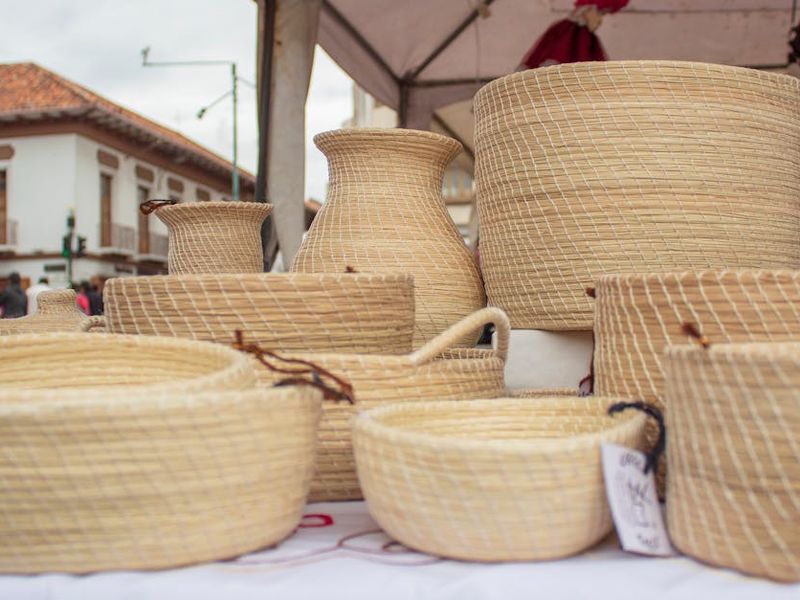
In the afternoon, visit boutiques and artisan stalls to see classic Cuenca crafts — hats, textiles and ceramics. If you’re interested in Panama hats, ask about local workshops and reputable sellers; while the hat tradition has roots in coastal weaving, skilled hatmakers and sellers operate in Cuenca as well.
Day 5: Silver and Textiles — Gualaceo and Chordeleg
Take a half-day or full-day trip to nearby artisan towns. Gualaceo is known for textiles and a lively regional market; you’ll see vibrant woven goods and traditional clothing. Chordeleg is famous for filigree silverwork — explore workshops, have a piece made to order, or shop for delicate jewelry and decorative items.
These towns are close enough for public buses, or you can hire a private driver to visit both in a single day. Bring cash for purchases and allow time to enjoy a leisurely lunch in a local comedor (small restaurant) where you’ll find authentic regional dishes.
Day 6: Ingapirca or an Alternate Nature Day
If you’re curious about pre-Columbian history, schedule a day trip to Ingapirca, Ecuador’s largest Inca ruin complex. The site showcases an intimate mix of Inca and Cañari stonework and offers interpretive displays that place the ruins in regional history — it’s about 1.5–2 hours from Cuenca by car or bus.
Alternate options for nature lovers include bird-watching reserves near the city, farm visits, or another quieter day in the city exploring neighborhoods like San Blas, with its artistic atmosphere and charming cafes. Whichever route you choose, finish the day with a relaxed dinner and time to pack or buy those last souvenirs.
Day 7: Slow Morning, Last-Minute Shopping and Departure
Use your final morning to return to a favorite café, pick up gifts, or visit a favorite viewpoint one more time. If your flight is later, fit in a therapeutic experience: a spa, a paila ice cream made the traditional way, or a final market visit for coffee beans or chocolate bars to bring home.
Allow extra time for travel to the airport — Cuenca’s airport is outside the city and luggage security and check-in times can take longer than expected.
Food and Drink — What to Try
Cuenca’s culinary scene ranges from market stalls to refined bistros. Don’t miss these staples:
- Hornado — slow-roasted pork served with hominy and plantains
- Cuy — roasted guinea pig, a traditional Andean delicacy
- Llapingachos — potato patties often served with sausage and avocado
- Fritada — fried pork pieces with corn, potatoes and mote
- Helados de paila — traditional handmade ice cream worth sampling on a warm afternoon
Cuenca also has an emerging café culture and several chocolatiers and coffee shops where you can taste premium Ecuadorian beans. Try locally brewed beers and wines in the evening at intimate bars and microbreweries.
Where to Stay: Neighborhoods and Tips
For first-timers, the Centro Histórico (Historic Center) provides immediate access to major sights, restaurants and evening life. San Blas offers a quieter, artsy feel with narrow lanes and galleries. For longer stays or families, neighborhoods along the Yanuncay river have leafy streets and modern conveniences. Choose a place with reliable heating in cooler months and confirm whether breakfast is included if you prefer convenience.
Money, Safety and Practical Tips
Cuenca is one of Ecuador’s safer cities, but common-sense precautions apply: keep an eye on belongings in busy markets, avoid dimly lit streets after midnight, and use hotel safes for passports and extra cash. Carry small bills for taxis and markets — many small vendors do not accept cards.
Health-wise, allow 24–48 hours to acclimatize to the altitude. Stay hydrated, avoid heavy exertion the first day, and carry sunscreen and lip balm. Tap water in Cuenca is treated, but if you prefer, drink bottled or filtered water, especially if you have a sensitive stomach.
Budgeting Your Week
Cuenca is affordable compared with many North American and European destinations. Expect modest street meals around $2–5, sit-down lunches $5–12, and evening dinners $10–25 depending on your choice of restaurant. Mid-range hotels commonly run $30–80 per night; boutique properties and higher-end hotels are more. Day trips by shared bus are very cheap; private day tours or drivers increase the cost but add flexibility.
Cultural Tips and Respectful Travel
Cuencanos take pride in their city’s heritage. Dress modestly when visiting churches and religious sites; ask permission before photographing people up close, especially in markets or rural settings. Learning a few Spanish phrases — greetings, please and thank you — goes a long way and helps you connect with shopkeepers and guides.
Packing Checklist for a Week in Cuenca
- Layered clothing and a warm sweater
- Light rain jacket and waterproof shoes
- Sun protection: hat, sunglasses and sunscreen
- Comfortable walking shoes for cobbles and trails
- Reusable water bottle and basic first-aid items
- Cash in small denominations and copies of important documents
Final Notes: Make Time for Unplanned Moments
One of Cuenca’s charms is its slow tempo. Build a flexible schedule that allows for wandering, a spontaneous invitation to a local family meal, or a chance encounter with a street musician. A week is long enough to see the city’s highlights and still leave room for slow mornings and unplanned discoveries — the kind of travel that turns a destination into a place you remember as a home away from home.
Whether you spend your days in museums and churches, on mountain trails, or in artisanal workshops, this weeklong plan will help you balance exploration with relaxation and leave you with a genuine sense of Cuenca’s rhythm and hospitality.