
Table of Contents
Why Cuenca deserves a spot on your travel list
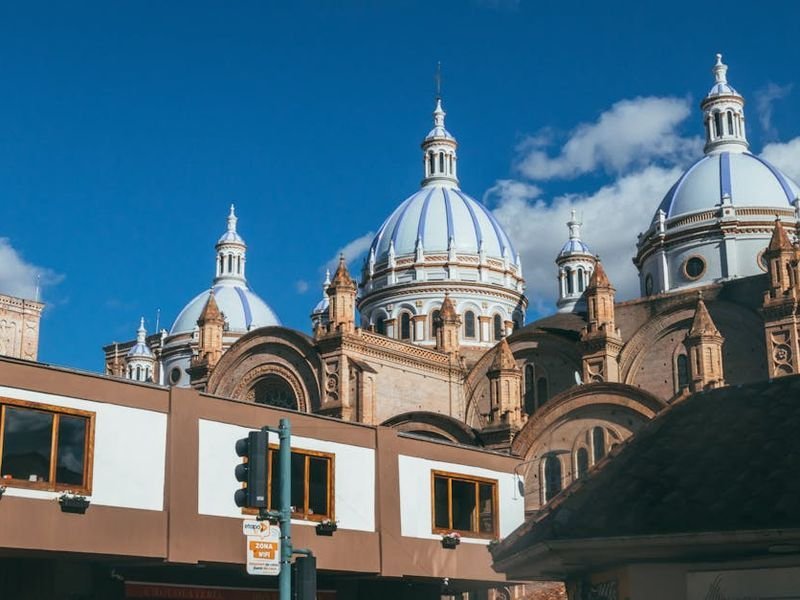
Cuenca, Ecuador’s UNESCO-listed colonial jewel, blends cobbled streets, blue-domed cathedrals and a relaxed pace that charms visitors immediately. For first-time travelers, its mix of accessible culture, nearby Andean landscapes and a thriving expat community make it a smart, comfortable introduction to Ecuador. This guide gives you practical, on-the-ground tips to make the most of your first visit.
Quick facts to know before you arrive
Brief bullet points help you plan faster and avoid surprises:
- Elevation: Cuenca sits at about 2,560 meters (8,400 feet) above sea level—milder than Quito but high enough to feel the altitude.
- Currency: The official currency is the U.S. dollar.
- Language: Spanish is the everyday language; English is common in tourist areas but learning basic phrases goes a long way.
- Time zone: Ecuador (mainland) is UTC-5 year-round.
- Best time to visit: Year-round mild weather, but October–May tends to be drier; pack a good rain jacket just in case.
Getting to Cuenca: flights and scenic routes
Cuenca’s local airport, Mariscal Lamar (CUE), handles domestic flights and a smaller number of regional services. If you’re coming from abroad, most visitors fly into Quito (UIO) or Guayaquil (GYE) and connect on a short domestic flight to Cuenca. Flights are quick and avoid long overland travel across mountain roads.
If you prefer land travel, bus routes are comfortable and scenic. Buses from Guayaquil to Cuenca take roughly 3.5–4 hours and are a popular, inexpensive option. Quito to Cuenca is a longer journey—about 8–10 hours by road—but the scenery across the highlands is spectacular. Executive buses usually include comfortable seats and rest stops, making overnight travel feasible.
Arrival tips: airport, taxis, and first impressions
When you land at Mariscal Lamar, expect a small airport with limited facilities—plan ahead. If you arrive by bus, central stations are well located near the historic center. For the first transfer into town, use official airport taxis or pre-book a transfer through your hotel. Taxis in Cuenca are abundant and inexpensive, but for peace of mind on your first ride, agree on a price or insist the driver use the meter.
Where to stay: neighborhoods for different travelers
Choosing the right neighborhood makes your stay worry-free:
- Historic Center (El Centro): Ideal for first-timers who want to be steps from Parque Calderón, the blue-domed New Cathedral and countless cafés and museums. Expect cobblestone streets and lively evenings.
- Turi: On a hill above the city, Turi offers dramatic views and quieter hotels close to the Mirador de Turi—perfect for those who want a scenic perch.
- El Vecino / San Sebastián: Residential and calm, with local markets and bakeries. Choose this if you want a neighborhood feel while staying close to downtown.
- Riverside areas along the Tomebamba: Walkable and picturesque; many apartments and boutique hotels line the riverbanks.
Packing and health: altitude, layers, and sun protection
Cuenca’s equatorial sun is strong despite cooler daytime temperatures. Pack sunscreen, a wide-brim hat and sunglasses. Layering is essential: morning chill can give way to warm afternoons, and nights often get cold. Being at 2,560 m means some visitors experience mild altitude symptoms—headache, shortness of breath or light fatigue. Take it easy on your first day, hydrate well, avoid heavy alcohol or intense exercise at altitude, and bring basic OTC pain relief and any personal medications.
Money, tipping and practical spending tips
Because Ecuador uses the U.S. dollar, budgeting is straightforward. Cash is useful for markets, taxis and small eateries, while credit/debit cards are accepted at many restaurants, hotels and larger shops. ATMs are plentiful in the city center. Typical costs (approximate to help planning): street or local-comedor meals are very affordable, mid-range restaurants cost modestly more, and boutique hotels are a fraction of the price of big-city equivalents in North America or Europe.
Tipping is appreciated but not always expected; many restaurants add a service charge—check your bill. A small tip for helpful service staff and taxi drivers is a courteous practice.
Getting around Cuenca: walking, buses, taxis and apps
Cuenca’s compact historic center is best explored on foot: many plazas, churches and museums sit within a few blocks of each other. Wear comfortable shoes for uneven cobbles. For longer hops, taxis are cheap and plentiful; make sure you have small bills and clarify the fare before getting in if the meter isn’t used. Public buses are the most economical way to get around and are handy for reaching neighborhoods outside the center, though they can be crowded at peak hours.
Rideshare apps operate intermittently in Ecuador, so don’t rely on them exclusively. For safety and convenience at night, choose an official taxi or arrange hotel transport.
Food & drink: dishes to try and where to taste local flavors
Cuenca offers Ecuadorian staples that reflect the highland palate. Don’t miss these:
- Locro de papa — a hearty potato and cheese soup, often served as comfort food.
- Hornado — slow-roasted pork, usually served with hominy and plantain.
- Cuy (guinea pig) — a traditional Andean dish for adventurous eaters, available at specialty restaurants.
- Llapingachos — potato patties served with cheese and peanut or peanut-based sauces in some regions.
Visit the central market or neighborhood mercados for fresh fruit juices, local cheeses and baked goods. For coffee lovers, Cuenca’s café scene is lively: try a local brew in a riverside café and pair it with a sweet empanada or traditional pastry.
Must-see sights and day trips from Cuenca
Cuenca has more than cobblestones and cathedrals—plan a mix of city and countryside experiences:
- Parque Calderón and the New Cathedral — the beating heart of the historic center, perfect for orientation and photos of the iconic blue domes.
- Museo Pumapungo — an archaeology and ethnographic museum with Inca ruins and well-curated displays that provide context to the region’s indigenous history.
- Mirador de Turi — a classic lookout point with panoramic views of the city. Ideal at sunset.
- El Cajas National Park — less than an hour away, this highland park offers lakes, hiking trails and birdwatching for outdoor enthusiasts. Dress warmly and be prepared for rapidly changing weather.
- Ingapirca — the largest pre-Columbian site in Ecuador, a manageable day trip to explore Inca architecture and history.
- Chordeleg and Gualaceo — nearby artisan towns: Chordeleg is known for silver filigree jewelry and Gualaceo for textiles and local crafts. Great for souvenir shopping and seeing traditional crafts in action.
Cultural etiquette and language tips
Cuencanos (people from Cuenca) are known for polite, friendly manners. A few practices to keep in mind:
- Greet shopkeepers and servers with a brief “buenos días” or “buenas tardes”—it’s expected and appreciated.
- Using “usted” is common in initial conversations; you’ll be invited to use “tú” if familiarity grows.
- When entering small shops or businesses, a quick greeting is polite; lingering handshakes or cheek-kisses are common among friends and acquaintances.
- Respect religious spaces: dress modestly in churches and be quiet and considerate during services.
Basic Spanish phrases make interactions smoother. Even a small effort—”por favor,” “gracias,” “¿cuánto cuesta?”—goes a long way.
Safety: common-sense precautions
Cuenca is considered one of Ecuador’s safer cities, but petty crime and opportunistic theft can occur. Keep these precautions in mind:
- Use a money belt or front pocket for passports and cash when in crowded markets or on buses.
- Avoid displaying expensive jewelry or electronics unnecessarily in public spaces.
- Stick to well-lit streets at night, especially if you’re unfamiliar with a neighborhood.
- Make photocopies of your passport and store a digital copy in a secure cloud folder.
Connectivity: SIM cards and Wi-Fi
Cuenca has good mobile coverage and plenty of cafés and hotels with Wi-Fi. If you want reliable data, buy a local SIM card from a major carrier and have your passport handy for registration. Prepaid plans are flexible and affordable, and many cafés and public spaces offer free Wi-Fi for basic browsing and messaging.
When to visit for festivals and quieter travel
Cuenca pulses with cultural events year-round, but timing affects your experience. Early November (around November 3) marks the city’s Independence anniversary with parades and local celebrations—vibrant but busy, and a great time if you want to experience local festivity. If you prefer quieter streets and fewer crowds, consider traveling during shoulder seasons outside major national holidays. Weather stays fairly mild year-round, so pick dates based on your tolerance for crowds rather than climate extremes.
Practical day-one checklist for first-timers
To start your trip stress-free, follow this simple checklist:
- Exchange some cash or withdraw a small amount at the airport/ATM for taxis and small purchases.
- Confirm your accommodation address and have a map screenshot offline.
- Hydrate and rest to acclimate to the altitude.
- Try a short walk around Parque Calderón to orient yourself and enjoy your first local meal in a nearby café.
Final tips: blending comfort with local discovery
First-time visitors to Cuenca quickly learn that the city rewards slow travel: take time to wander riverside promenades, sit in plaza cafés and watch daily life pass by. Balance must-see landmarks with small local discoveries—an artisan shop in Chordeleg, an impromptu music performance in a church courtyard, or a morning market where locals buy fresh produce. With thoughtful planning and a flexible spirit, Cuenca offers a warm, surprisingly varied introduction to Ecuador.
Whether you’re here for history, nature, food or a slower pace, this mountain city is easy to fall in love with—just pack layers, a sense of curiosity, and a good pair of walking shoes.