
Table of Contents
Why Cuenca should be on your Ecuador itinerary
Cuenca often surprises first-time visitors: a UNESCO-listed historic center, tree-lined rivers, blue-domed cathedrals and a friendly pace of life. Nestled in the southern Andes at about 2,560 meters (8,400 feet), Cuenca blends colonial charm with modern comforts, artisan traditions and easy access to mountain landscapes like Cajas National Park. If you’re planning a first trip, a little preparation goes a long way—this guide collects practical, on-the-ground tips to help you enjoy the city without stress.
Before you leave home: planning and packing
Book flexible travel if possible. Many visitors fly into Quito or Guayaquil and take a domestic flight to Cuenca (airport code CUE), or choose a scenic bus ride. Check the baggage rules for domestic carriers to avoid unexpected fees.
Packing essentials for Cuenca are simple: layers, a waterproof jacket, comfortable walking shoes for cobblestones, and sun protection. Nights are cool even after warm days, so think light sweaters rather than heavy coats. Because Cuenca sits at high altitude, bring water and any preventative medication you use for altitude sensitivity, and consider packing altitude remedies like electrolyte sachets or acetazolamide only if you’ve discussed them with your doctor.
Important documents and money
- Passport: carry a photocopy separate from the original for minor paperwork.
- Currency: Ecuador uses the US dollar (USD). Carry small bills for markets and taxis.
- Credit/debit cards: widely accepted in restaurants and hotels, but have cash for streetside vendors.
Arrival: airports and overland options
Cuenca’s Mariscal La Mar Airport (CUE) is small and efficient, with flights from Quito and Guayaquil. If you prefer an overland approach, buses from Guayaquil take roughly 3.5–4 hours; buses from Quito are longer (roughly 8–10 hours) but offer dramatic Andean scenery. Book reputable bus companies and aim for daytime travel on winding mountain roads.
From the airport to the historic center expect a short taxi ride; verify a price with the driver before you go or ensure the meter is used. If you arrive by bus at the terminal, many hotels offer pickups—ask ahead.
Getting around Cuenca
Cuenca’s historic center is compact and eminently walkable. Strolling across the Tomebamba River and through the Calle Larga district is one of the best ways to get oriented. For longer trips, use taxis, local buses or ride-hailing services where available. Taxis are inexpensive—agree a fare beforehand if the driver doesn’t use a meter. Public buses are an economical option but can be crowded during rush hours.
Tips for using local transport
- Keep small bills or change for short taxi rides and bus fares.
- If you use a ride-hailing app, double-check the license plate and driver name before entering the car.
- Plan more time than you think you need for airport transfers if you’re catching a flight.
Where to stay: neighborhoods for first-timers
For a first visit, base yourself near Parque Calderón (the central plaza) or along the Tomebamba riverbanks. These areas put you within walking distance of major sights: the Catedral Nueva with its iconic blue domes, the Iglesia del Sagrario, museums and an abundance of cafés and restaurants. Staying in the historic center means you’ll experience the city’s architecture and nightlife without lengthy commutes.
If you prefer quieter evenings, consider neighborhoods just across the river—still walkable but with a more residential feel. Many boutique hotels and guesthouses offer a mix of colonial charm and modern comforts.
Top sights and must-do experiences
Cuenca’s compact size makes it possible to experience a lot in a short time. Don’t miss these highlights:
- Historic center and Parque Calderón: Wander plazas, arcades and museums. It’s an architectural feast with plenty of cafes to rest and people-watch.
- Catedral Nueva (New Cathedral): Admire the blue tiled domes that dominate the skyline—there are great vantage points nearby for photos.
- Tomebamba River walkways: Stroll along beautifully landscaped riverbanks with bridges and gardens.
- Museo Pumapungo: A cultural complex with Inca ruins beneath the museum, ethnographic exhibits, and a lovely café.
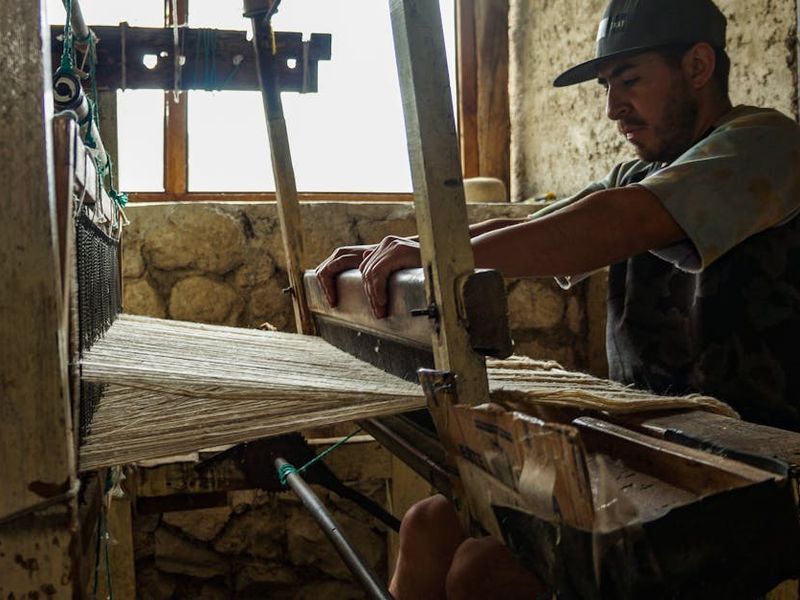
- Artisan shopping: Look for Panama hats, silver jewelry, and handwoven textiles in local artisan shops and markets. Gualaceo and Chordeleg, nearby towns, are famous for crafts and make excellent shopping excursions.
Day trips and nature escapes
Cuenca is an excellent base for nature and heritage day trips. Two especially popular outings:
- Parque Nacional Cajas: Around an hour from the city, Cajas offers highland lakes, páramo landscapes and crisp air. Hikes range from short walks to full-day treks—bring warm clothing and layers for wind and fog.
- Ingapirca: The largest known Inca archaeological site in Ecuador lies a drive away and makes for a rewarding half-day or full-day trip. Combine it with nearby scenic viewpoints and local markets.
Other worthwhile excursions include artisan towns (Gualaceo, Chordeleg) and coffee finca visits in the neighboring valleys.
Food and drink: what to try
Cuenca’s cuisine reflects highland Ecuadorian flavors. Popular dishes to sample include:
- Hornado – slow-roasted pork served with mote (hominy) and plantains.
- Mote pillo – a local favorite made with hominy and scrambled eggs.
- Cuy (guinea pig) – a regional specialty; try it at dedicated restaurants if you’re adventurous.
- Fresh fruit juices and coffee – markets and cafes serve fresh tropical juices; the local coffee is excellent too.
Markets are great for inexpensive, authentic meals—look for busy stalls where locals eat. If you prefer vegetarian or international options, Cuenca’s cafés and restaurants offer many choices, particularly around the historic center.
Practical health and safety tips
Cuenca is generally safe for travelers, but normal precautions apply. Petty theft and pickpocketing are the most common concerns in tourist areas—keep wallets in front pockets, use a crossbody bag, and avoid flashing expensive cameras or jewelry. If you plan on hiking in Cajas or other highland areas, leave valuables in your hotel and tell someone your route.
Altitude: because Cuenca sits over 2,500 meters, allow your body to acclimatize gradually. Symptoms like mild headaches, shortness of breath, or insomnia can occur; drink lots of water, avoid heavy exercise on day one, and limit alcohol. If symptoms worsen, descend to a lower altitude and seek medical attention.
Emergency services: Ecuador uses 911 for emergencies. Private clinics and hospitals in Cuenca are well-equipped—private hospitals typically offer English-speaking staff, but it’s helpful to know basic Spanish phrases or have translation options ready in your phone.
Money, connectivity and everyday logistics
ATMs and banks are readily available in central Cuenca. Withdraw at major bank ATMs to reduce the chance of skimming and check withdrawal fees with your home bank. Credit and debit cards are accepted in most restaurants and stores, but small vendors and markets may prefer cash.
SIM cards from carriers like Claro, Movistar or CNT are available—bring your passport to purchase. Many hotels and cafés offer free Wi-Fi but purchasing a local data plan can be handy for maps and ride-hailing apps.
Electricity in Ecuador is 110–120V, compatible with North American plugs. If you come from Europe or elsewhere, bring an adapter. Time zone is Ecuador Time (ECT), which is GMT-5, and Ecuador does not observe daylight saving time.
Cultural tips and respectful travel
Greetings matter here. A friendly handshake or a single cheek kiss (right cheek) is common in social settings. Spanish is the dominant language—learning a few phrases like hola, gracias, ¿cuánto cuesta? and ¿dónde está? will open doors and is much appreciated. In rural areas and artisan markets you may encounter Kichwa-speaking people—respectful curiosity goes a long way.
Haggling: in markets bargaining is normal for handicrafts, but be fair—artisans depend on craft sales. If you want a Panama hat or silver jewelry, ask about quality grades, try the hat on, and be prepared to negotiate politely.
Where to get help and how to avoid common pitfalls
Tourist information offices and friendly staff at hotels can arrange tours and recommend reputable guides for city walks, Cajas hikes, or Ingapirca visits. When booking tours, verify what’s included—transport, entrance fees, and lunch—so there are no surprises.
A few quick pitfalls to avoid:
- Don’t overexert on your first day—altitude and long travel combine to tire you.
- Be cautious with street food if you have a sensitive stomach; choose busy stalls with a quick turnover of food.
- Avoid showing large sums of cash in public; use hotel safes for passports and valuables.
Final tips to make the most of your visit
Take your time. Cuenca rewards slow exploration—sit in a café and watch the city flow, cross small bridges along the Tomebamba and explore side streets for artisan shops and local bakeries. If you can, leave a day without firm plans to discover unexpected museums, parks, or neighborhood restaurants.
Whether you’re in Cuenca for a few days or planning a longer stay, the city’s blend of culture, nature and comfortable infrastructure makes it a welcoming destination. With a bit of preparation—layers for the weather, cash for markets, and patience for higher-altitude mornings—you’ll have a relaxed and memorable first trip to one of Ecuador’s most charming cities.
Quick reference checklist before you go
- Passport and photocopy, travel insurance
- Layered clothing, waterproof jacket, comfy walking shoes
- Small USD bills, at least one working credit/debit card
- Portable charger, adapter (if needed), phone with offline maps
- Basic Spanish phrases and a list of emergency contacts
Enjoy your trip—Cuenca’s plazas, markets and mountain views are waiting. Take it slow, savor local food, and let the city reveal itself at an unhurried pace.
Adam Elliot Altholtz serves as the Administrator & Patient Coordinator of the “Smilehealth Ecuador Dental Clinic“, along with his fellow Expats’ beloved ‘Dr. No Pain‘, right here in Cuenca, Ecuador, and for purposes of discussing all your Dental needs and questions, is available virtually 24/7 on all 365 days of the year, including holidays. Adam proudly responds to ALL Expat patients from at least 7:00am to 9:00pm Ecuador time, again every single day of the year (and once more even on holidays), when you write to him by email at info@smilehealthecuador.com and also by inquiry submitted on the Dental Clinic’s fully detailed website of www.smilehealthecuador.com for you to visit any time, by day or night. Plus, you can reach Adam directly by WhatsApp at +593 98 392 9606 -or by his US phone number of 1‐(941)‐227‐0114, and the Dental Clinic’s Ecuador phone number for local Expats residing in Cuenca is 07‐410‐8745. ALWAYS, you will receive your full Dental Service in English (NEVER in Spanish), per you as an Expat either living in or desiring to visit Cuenca by your Dental Vacation, plus also to enjoy all of Ecuador’s wonders that are just waiting for you to come arouse and delight your senses.