
Table of Contents
Why Cuenca Is a Smart Choice for Dental Care
Cuenca, Ecuador has quietly become a top destination for dental tourism in South America. With a pleasant climate, a compact historic center, English‑speaking professionals, and U.S. dollar currency, the city combines convenience with lower prices for many treatments. But maximizing value takes more than booking a flight and a clinic: it requires planning around procedure timelines, materials, aftercare, and travel logistics.
Start With a Remote Consultation: Save Time and Money
Before you book anything, request a remote consultation. Most reputable clinics will accept emailed dental records, recent x‑rays, and photos. A preliminary plan gives you an itemized estimate, clarifies how many visits you’ll need, and helps you compare clinics on more than price—look at proposed materials, implant brands, lab turnaround times, and guarantees.
What to Send for a Remote Consultation
- Recent panoramic x‑ray or periapical x‑rays (if your dentist at home can provide them)
- Digital photos of your smile and any problem areas
- A short summary of dental history and medications
- Questions about brands, anesthesia options, and warranties
Understand Treatment Timelines — Don’t Expect Everything in One Trip
Procedures vary widely in how long they require. Knowing realistic timelines prevents rushed work and hidden return‑trip costs.
- Preventive care and cleanings: 1–2 days.
- Fillings and simple extractions: same day or within 1–2 days.
- Porcelain crowns and veneers: plan 7–14 days for lab work if the lab is local; express options may be available for an extra fee.
- Single dental implants: surgical placement is one appointment, but full osseointegration typically needs 3–6 months before the final crown. Many clinics offer temporary teeth or immediate‑load implants in select cases.
- Full‑mouth restorations: usually multiple trips or a long continuous stay of several weeks.
Balancing Cost and Quality: What to Prioritize
Lower cost is a major draw, but value comes from longevity and safety. Ask about these specific items to avoid surprises:
- Implant brand and warranty—reputable systems (Straumann, Nobel, Zimmer, etc.) cost more but have long histories.
- Material grades—zirconia vs. porcelain‑fused‑to‑metal, local vs. international labs.
- Digital 3D imaging (CBCT) and CAD/CAM services—improve precision.
- Written, itemized quotes and a clear refund/repair policy.
Practical Budget Ranges (USD) — Use These as a Starting Point
Prices vary with clinic reputation, materials, and complexity. These ranges reflect typical Cuenca pricing as of recent years; get current quotes and request itemized breakdowns.
- Routine cleaning: $30–$80
- Composite fillings: $30–$100
- Root canal (single canal): $150–$350
- Porcelain crowns: $200–$600 each
- Veneers: $250–$800 each
- Dental implant (surgery + abutment + crown): $900–$2,000+
Remember: an unusually low quote often hides cheaper materials, outsourced labs, or less experienced technicians.
Choosing the Right Clinic in Cuenca
Research beyond glossy websites. Use multiple sources: Google reviews, Facebook expat groups, TripAdvisor for related services, and direct references from other patients. Look for clinics that publish before/after photos and list dentists’ credentials and specialties.
Questions to Ask the Clinic
- Are the dentists registered with the Ecuadorian dental association or Ministerio de Salud Pública?
- Do you use in‑house labs or trusted local/international labs? What is the lab turnaround time?
- What brand of implants and materials do you use? Can I see the packaging?
- What is your emergency contact policy and warranty on prosthetics?
- Can you coordinate with my dentist at home for continuity of care?
Logistics: Flights, Airports, and Getting Around
Cuenca sits at about 2,560 meters (roughly 8,400 feet). Its smaller airport, Mariscal Lamar (CUE), receives domestic flights; many international travelers connect via Quito (UIO) or Guayaquil (GYE) and then take a short flight or a scenic bus ride (6–10 hours by road) to Cuenca. Plan for possible altitude effects: stay hydrated and take it easy the first 24 hours.
Getting Around Safely
- Taxis are abundant—agree on a fare or ask the clinic/hotel to call a trusted driver.
- Ride‑hailing apps are available in Ecuador in some cities; check availability and safety updates.
- Stay close to your clinic—neighborhoods around Parque Calderón, El Centro, and El Vergel are convenient for most dental practices.
Where to Stay: Neighborhoods That Support Recovery
Choose accommodation that minimizes stress between appointments. Here are neighborhood suggestions and why they work for dental patients:
- Centro Histórico/Parque Calderón: Walkable to clinics, pharmacies, and restaurants—ideal for short stays and easy follow‑ups.
- El Vergel / Rio Tomebamba banks: Quieter, scenic, good for rest and gentle walks after procedures.
- Residential areas like Cuarto Caminos: Larger apartments and quieter evenings—great for week‑long stays.
Many clinics partner with nearby hotels or Airbnbs and can offer discounts—ask when you book.
Food, Meds, and Post‑Op Care in Cuenca
Cuenca has excellent markets and restaurants. After dental procedures, focus on soft, nutrient‑rich foods: soups (locro de papa), pureed vegetables, soft rice dishes, yogurt, avocado, and smoothies. Avoid crunchy or very hot foods for several days after surgery.
Pharmacies and Medications
- Pharmacies are plentiful; many medications are available without prescriptions, but bring your prescriptions just in case.
- Ask your dentist to provide a small supply of pain meds and antibiotics for immediate postoperative needs.
- Bring oral rinses, extra toothbrushes, and any specialty items recommended (e.g., chlorhexidine rinse, topical gels).
Language and Communication Tips
Many dentists and clinic staff in Cuenca speak at least some English, especially in practices that serve foreigners. Still, brushing up on a few Spanish dentistry terms or using a translation app will smooth communication. Make sure the treatment plan, consent forms, and warranty documents are translated to your language if needed.
Combining Tourism With Recovery: Gentle Activities
Cuenca is a delightfully walkable city with plenty to see that won’t interfere with healing. Consider these low‑impact activities between appointments:
- Stroll along the Tomebamba River and the bridges—gentle exercise aids circulation.
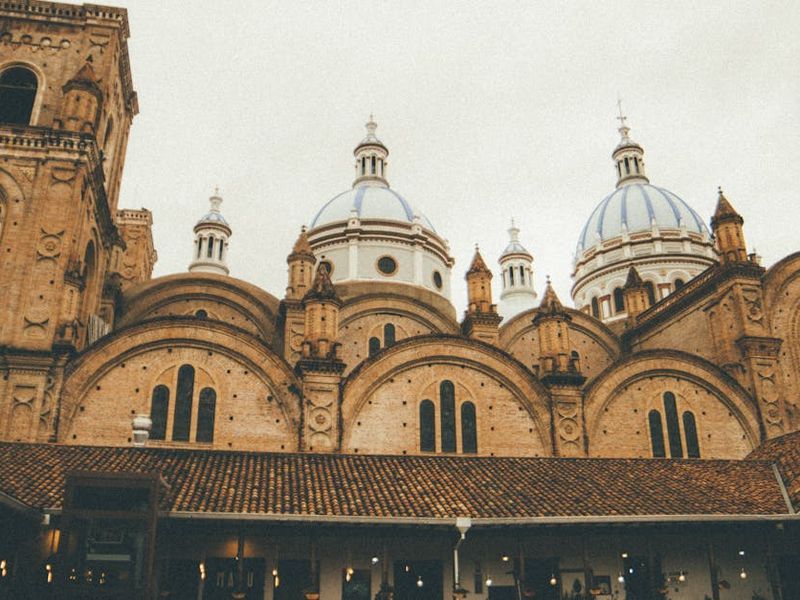
- Visit the Catedral de la Inmaculada and Plaza Calderón for short cultural outings.
- Take a half‑day trip to Cajas National Park for scenery (avoid strenuous hikes immediately after major oral surgery).
- Explore the artisan markets, watch a Panama hat weaving demonstration, or relax in a café.
Handling Complications — Be Prepared
No surgery is risk‑free. Ask the clinic for emergency protocols, including phone numbers for after‑hours contact and instructions for swelling, bleeding, or severe pain. Many clinics provide a 24–72 hour follow‑up window; ensure you have at least a local contact or plan for urgent return visits if needed.
Insurance, Guarantees, and Legal Considerations
Dental tourism warranties vary. Some clinics offer year‑long or multi‑year guarantees on lab work, while others provide no formal warranty. Get guarantees in writing, understand what conditions void them (e.g., smoking, trauma), and check whether your U.S. or home insurance covers complications abroad. Travel insurance with medical evacuation is wise if you’re traveling from far away.
Working With Your Home Dentist for Continuity
Coordinate with your home dentist before and after travel. Provide them with the clinic’s treatment plan and any imaging. After you return home, schedule follow‑up appointments to monitor implants, crowns, or complex restorations. Good continuity of care increases the longevity of your investment.
Tips to Stretch Your Budget Without Sacrificing Quality
- Bundle procedures if clinically appropriate—clinics often discount multi‑tooth work.
- Ask for digital delivery of your records and lab receipts—helps with any future claims or verification.
- Request temporary crowns or provisional prosthetics that protect healing tissues while you wait for final lab work.
- Negotiate package pricing for lodging, transfers, and treatment if staying a week or more.
Realistic Expectations and Final Preparation Checklist
Set realistic expectations about aesthetics, comfort, and recovery time. Cosmetic dentistry often requires shade matching under natural light and several adjustments. Before you travel, complete this checklist:
- Obtain itemized treatment plan and cost estimate
- Confirm implant brands and lab location
- Book accommodations near your clinic
- Pack primary prescriptions and basic over‑the‑counter pain meds
- Arrange a local emergency contact and travel insurance
- Share your plan with your home dentist for aftercare
Final Thoughts: Make Your Trip Both Dental and Delightful
Cuenca can offer outstanding dental value when you plan carefully: verify credentials, ask precise questions about materials and timelines, and coordinate continuity of care. Treat the dental trip as a small medical journey—book wisely, allow time for healing, and take advantage of Cuenca’s relaxed pace to recuperate. With the right approach, you’ll return home with a healthier smile and memories of a beautiful Andean city.