
Table of Contents
Welcome to Cuenca: Why This City Should Be on Your Radar
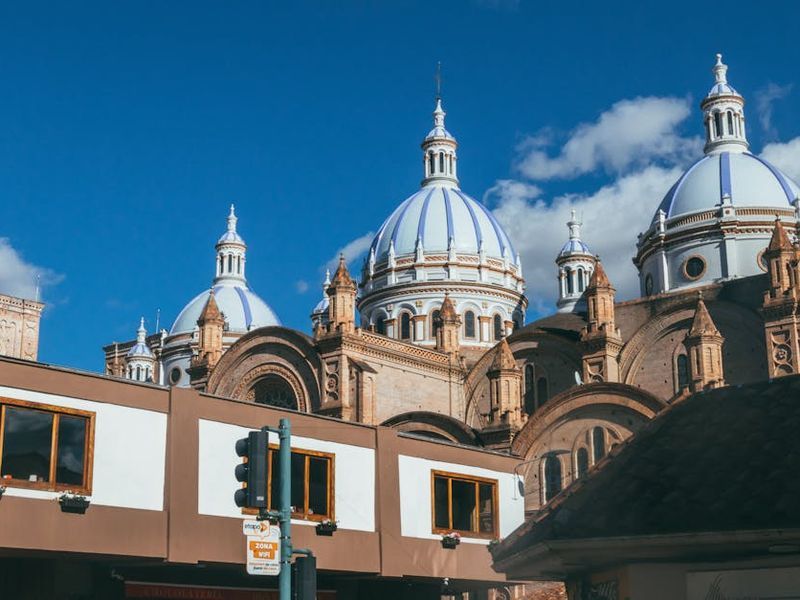
Cuenca is the kind of place that quickly feels familiar: a colonial center of red-tiled roofs and blue-domed spires, slow river walks along the Tomebamba, and a lively mix of markets, museums and neighborhood cafés. If you’re planning your first visit, this guide gives clear, practical advice to help you arrive confident and make the most of your time in Ecuador’s cultural capital.
Before You Go: Practical Preparations
Entry, currency and paperwork
Ecuador uses the U.S. dollar, which simplifies budgeting for many travelers. Ensure your passport is valid for at least six months. Most nationalities receive a tourist stamp on arrival—check visa rules for your country before you travel. Make a scanned copy or photo of your passport and keep an offline copy on your phone or cloud storage for emergencies.
Packing list for Cuenca’s climate
Cuenca sits high in the Andes (about 2,500–2,600 meters / 8,200–8,530 feet). The weather is famously changeable: sunny mornings can turn to cool, rainy afternoons. Pack layers—light sweaters, a warm jacket for evenings, and a reliable waterproof layer plus a compact umbrella. Comfortable walking shoes are essential for cobblestone streets and hilly neighborhoods. If you plan outdoor hikes, bring a hat, sunscreen, and insect repellent.
Arriving in Cuenca
Airport and ground transport
Most visitors fly into Mariscal Lamar International Airport (CUE). The airport is relatively small, and the drive into the city center usually takes 20–40 minutes depending on traffic. Many hotels offer airport transfers—consider arranging one before you leave. Alternatively, use an official taxi from the airport kiosk (confirm the fare before you go) or pre-book a private transfer.
First impressions: acclimatize and take it slow
The altitude can affect people differently. Mild symptoms include shortness of breath, lightheadedness or headaches. Give yourself a relaxed first day: drink water, avoid heavy meals and intense exercise, and enjoy a gentle walk around Parque Calderón to stretch your legs without overdoing it.
Where to Stay: Neighborhoods to Consider
Historic Center (El Centro)
El Centro puts you within walking distance of the cathedral, museums and riverside promenades. Expect colonial architecture, boutiques and a lively tourist scene. Great if you want to be in the middle of the action and enjoy easy access to restaurants and nightlife.
San Sebastián and El Barranco
San Sebastián charms with narrow streets, artisan shops and cozy cafés. El Barranco, along the Tomebamba river, is quieter and ideal for scenic walks along old silk merchants’ houses. Both neighborhoods offer a more local feel while remaining close to downtown.
Residential neighborhoods
If you prefer quieter streets with local grocery stores and parks, look slightly outside the historic center for apartments and inns. Rentals here can be more spacious and give you a glimpse of everyday life in Cuenca.
Getting Around: Taxis, Buses and Walking
Walking and exploring on foot
Cuenca’s compact center is best explored on foot. Walk along the Tomebamba river, stroll through Parque Calderón, and cross the historic bridges. Comfortable shoes and patience for cobblestones will make your outings more enjoyable.
Taxis and local transport
Taxis are inexpensive and convenient. Ask your host or hotel to call a cab if you’re unsure how to hail one, and agree the fare before you get in. Many locals use bus routes for daily travel—buses are very cheap but can be crowded. If you plan day trips outside the city, buses and shared shuttles connect Cuenca to nearby towns and attractions.
Must-See Sights and Day Trips
Historic core and cultural highlights
Start at Parque Calderón to get your bearings and admire the New Cathedral with its iconic blue domes. Meander down Calle Larga and the riverside promenades for preserved colonial buildings and artisan shops. Museo Pumapungo is an excellent stop for archaeology, ethnography and short walks around ancient ruins in the garden.
Views, nature and nearby wonders
For panoramic views of the city, head up to the Mirador de Turi. Nature lovers should plan a trip to Cajas National Park—about an hour from Cuenca—where you’ll find highland lakes, winding trails and dramatic landscapes. For cultural day trips, visit Chordeleg (noted for silver filigree jewelry) and Gualaceo for textiles and local markets. If you’re interested in archaeology, Ingapirca—Ecuador’s most important Inca site—is reachable as a longer day trip.
Food, Drink and Where to Eat
Local dishes to try
Cuenca’s cuisine reflects Andean traditions. Try llapingachos (potato patties), mote pillo (hominy with eggs and onion), hornado (slow-roasted pork), and cuy (guinea pig) if you’re adventurous. Seafood ceviche in the highlands has a slightly different style than coastal versions—tangy and fresh. You’ll also find excellent bakeries, coffee shops and international restaurants thanks to Cuenca’s growing expat community.
Markets, coffee shops and supper spots
Visit a municipal market in the morning for fresh fruit, local snacks and lively food stalls. Cafés near the Tomebamba and around Parque Calderón are great for people-watching and getting online. For dinners, many restaurants add a 10% service charge—check your bill—though tipping an extra 5–10% for excellent service is appreciated.
Shopping and Souvenirs
Handicrafts and Panamanian hats
Cuenca is a great place to find textiles, handwoven scarves, ceramics and silver jewelry. Panama hats, which are actually woven in Ecuador (often from Montecristi), are widely available—look for tightly woven, high-quality hats and ask about storage and care tips.
How to shop like a local
Shop at artisan markets for unique items. Prices at tourist stalls can often be negotiated—bargain politely and with a smile. For higher-end pieces like jewelry, buy from established shops if you want guarantees about materials and craftsmanship.
Health, Safety and Local Customs
Altitude and health precautions
Altitude sickness is usually mild in Cuenca but can affect anyone. Stay hydrated, avoid alcohol for the first 24 hours, eat light meals, and rest. If you have respiratory or heart conditions, consult your doctor before traveling. Cuenca has good private clinics and public hospitals; travel insurance that includes medical evacuation is a wise precaution for international travelers.
Personal safety and common-sense tips
Cuenca is considered one of Ecuador’s safer cities, but petty theft—pickpocketing and opportunistic theft—does occur. Keep valuables secure, carry a money belt or anti-theft bag, and avoid displaying expensive electronics in busy markets. At night, stick to well-lit streets and use trusted taxis or hotel-arranged transport if you’re unsure.
Cultural etiquette
Greet shopkeepers and servers with a simple “Buenos días” or “Buenas tardes.” Ecuadorians are generally warm and polite—small courtesies go a long way. Dress modestly when visiting churches and religious sites. If you’re invited into someone’s home, bringing a small gift like sweets or flowers is appreciated.
Money, Communication and Connectivity
Using cash and cards
ATMs are easy to find in central Cuenca; debit cards usually work at most machines, but notify your bank before travel to avoid holds. Smaller shops and market stalls prefer cash—carry some small bills and coins for public bathrooms, bus fares and market purchases. Credit cards are widely accepted in restaurants and hotels; check for a surcharge for cards in smaller establishments.
Phone service and Wi‑Fi
Local SIM cards from carriers like Claro and Movistar are affordable and provide decent coverage in town. Many cafés, hotels and public spaces offer Wi‑Fi, but speeds can vary—if you depend on steady connectivity for work, consider a local SIM with data as backup.
Language Basics and Useful Phrases
Spanish is the primary language. Learning a few key phrases will make daily life easier and is appreciated by locals. A short list to memorize: “Hola,” “Por favor,” “Gracias,” “¿Cuánto cuesta?” and “¿Dónde está el baño?”. If you plan to stay longer or explore outside tourist areas, brushing up on basic Spanish will pay off.
Final Tips to Make the Most of Your Visit
Take time to wander without a tight agenda: some of Cuenca’s best moments come from aimless river walks, stopping at a local bakery or finding a quiet plaza for people-watching. Balance popular attractions with neighborhood exploration—San Sebastián, El Barranco and residential streets reveal everyday life and hidden cafés. And remember to leave some flexibility in your schedule for unexpected discoveries: a festival, a market you didn’t know about, or a recommendation from a local.
With comfortable shoes, a light jacket, and an open mind, Cuenca rewards first-time visitors with a rich blend of colonial charm, mountain scenery and warm hospitality. Plan thoughtfully, move at your own pace, and you’ll find Cuenca a city that invites lingering.
Adam Elliot Altholtz serves as the Administrator & Patient Coordinator of the “Smilehealth Ecuador Dental Clinic“, along with his fellow Expats’ beloved ‘Dr. No Pain‘, right here in Cuenca, Ecuador, and for purposes of discussing all your Dental needs and questions, is available virtually 24/7 on all 365 days of the year, including holidays. Adam proudly responds to ALL Expat patients from at least 7:00am to 9:00pm Ecuador time, again every single day of the year (and once more even on holidays), when you write to him by email at info@smilehealthecuador.com and also by inquiry submitted on the Dental Clinic’s fully detailed website of www.smilehealthecuador.com for you to visit any time, by day or night. Plus, you can reach Adam directly by WhatsApp at +593 98 392 9606 -or by his US phone number of 1‐(941)‐227‐0114, and the Dental Clinic’s Ecuador phone number for local Expats residing in Cuenca is 07‐410‐8745. ALWAYS, you will receive your full Dental Service in English (NEVER in Spanish), per you as an Expat either living in or desiring to visit Cuenca by your Dental Vacation, plus also to enjoy all of Ecuador’s wonders that are just waiting for you to come arouse and delight your senses.