
Table of Contents
Why Cuenca Tops the List for Dental Tourism
Cuenca, Ecuador has quietly become one of the world’s premier destinations for dental vacations, especially for retirees seeking implants, crowns, and veneers. The combination of dramatically lower costs, highly trained dentists, modern clinics, and a peaceful recovery environment makes Cuenca an unbeatable value. Many retirees find they can save 60–70% on major dental work compared to the U.S. and Canada while receiving personalized, one-on-one care and enjoying a relaxing stay in a beautiful colonial city.
Massive Cost Savings Without Sacrificing Quality
The primary reason retirees choose Cuenca for dental procedures is cost. Typical pricing differences are striking: a single dental implant that can cost $3,500–$6,000 in North America often costs between $1,000 and $2,000 in Cuenca. Crowns and veneers follow a similar pattern—what might run $1,000+ per crown in the U.S. can be completed in Cuenca for $300–$500, and veneers that are $900–$2,500 per tooth back home often cost a fraction of that here. When you add up full-mouth reconstructions or multiple implants, those 60–70% savings translate into the ability to afford higher-end materials, additional cosmetic work, or an extended vacation.
World-Class Dentists and Modern Clinics
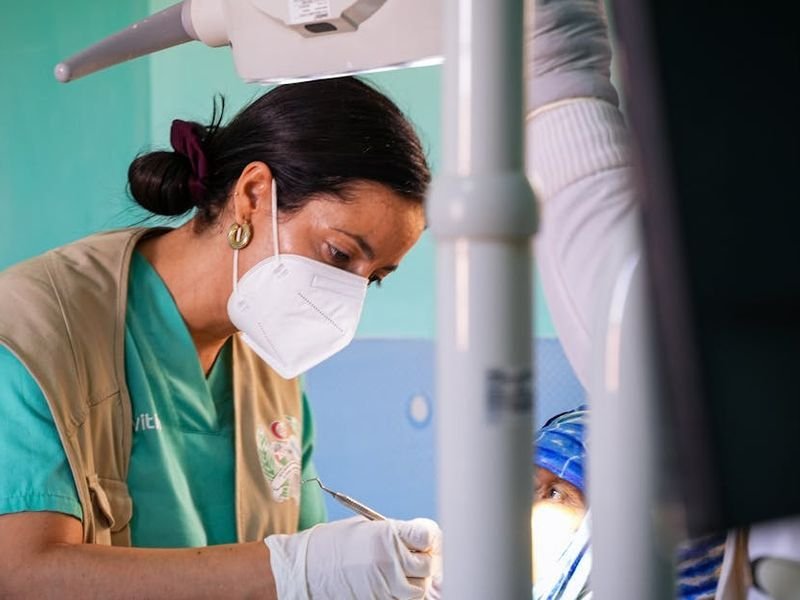
Don’t be fooled by the low prices—Cuenca’s dental professionals are highly trained and many studied at top dental schools in Ecuador and abroad, or completed postgraduate training and continuing education courses in the U.S., Europe, and Latin America. Clinics in Cuenca invest in cutting-edge technology like digital X-rays, 3D CBCT imaging, CAD/CAM milling machines for same-day crowns, and ISO-accredited labs. Many practices also use internationally recognized implant systems and offer detailed treatment planning based on digital diagnostics.
What to Expect from a Modern Clinic
- Comprehensive digital consultations with 3D imaging and treatment simulation
- CAD/CAM restorations for faster turnaround (sometimes same-day crowns)
- Sterile, comfortable operating spaces with sedation options
- In-house or trusted local dental labs capable of high-quality ceramic work
- English-speaking coordinators and virtual pre-travel consultations
Short Wait Times and Flexible Scheduling
Another huge advantage is scheduling. Many retirees who face months-long waits for specialty dental work at home can get appointments in Cuenca within weeks. Clinics often offer intensive, multi-day blocks when multiple procedures are needed, or will structure staged care with a first visit for implants and a return visit for final restorations. If you prefer fewer trips, ask about immediate implants with temporary restorations—many clinics can provide temporaries and arrange the final crowns or bridges when healing has completed.
Personalized, One-on-One Patient Care
Cuenca clinics pride themselves on personalized attention. Unlike high-volume centers that treat dozens of patients per day, many practices in Cuenca emphasize one-on-one care. You’ll typically meet directly with the dentist for evaluation, have your treatment plan explained in detail, and receive close follow-up. Staff often act as patient coordinators—booking appointments, arranging diagnostics, helping with lodging recommendations, and ensuring you understand aftercare. This personal touch is especially valuable for retirees who want reassurance and clear guidance through every stage of treatment.
The Ideal Recovery Environment
Recovery matters. Cuenca’s mild, spring-like climate (average elevation about 2,560 meters) and clean mountain air make it a comfortable place to heal. The city’s slower pace, numerous parks—like Parque Calderón—and a compact, walkable historic center are perfect for gentle walks and light activities during the recovery phase. Comfortable accommodations, affordable private rooms, and proximity to clinics reduce travel stress between appointments. For retirees, the combination of restful surroundings and easy access to world-class dental care makes the recovery process more pleasant and less isolating.
Activities Compatible with Dental Recovery
- Gentle walks in the historic center and riverside promenades
- Low-impact sightseeing: museums, artisan markets, and churches
- Short day trips—Cajas National Park scenic drives (avoid strenuous hikes immediately after surgery)
- Relaxing visits to thermal baths or a spa after approval from your dentist
How to Combine Dental Care with a Vacation
Dental vacations in Cuenca are easy to plan. Many retirees schedule an initial trip for extractions and implant placement, then return after healing for final crowns and veneers. Others opt for single extended stays of 2–3 weeks—enough for crowns, veneers, or immediate temporaries for implants. Clinics often offer packages that include airport transfers, lodging recommendations, and local tours. This allows you to pair world-class dental care with delightful cultural experiences: savoring Ecuadorian cuisine, visiting artisan markets, taking a day trip to Cajas National Park, or enjoying the city’s lively expat social scene.
Practical Planning Tips for Retirees
Planning pays off. Below are practical tips to make your Cuenca dental vacation smoother and safer.
- Book a virtual consultation: Many clinics offer online video consultations to evaluate your needs and give an estimated quote before you travel.
- Bring medical records: Copies of X-rays, medical history, and a list of medications speed up assessment.
- Ask about technology: Request CBCT 3D scans, digital impressions, and CAD/CAM capabilities if you want faster results.
- Check credentials: Verify dentist credentials, memberships in professional associations, and before/after photo portfolios.
- Confirm financing and payment: Ask about accepted payment methods, deposits, and any warranties for work performed.
- Plan your recovery: Arrange accommodations near your clinic and avoid heavy exertion for the recommended period—especially important at Cuenca’s altitude.
- Travel insurance: Consider travel insurance that covers medical emergencies and post-op complications.
Understanding the Implant and Crown Timelines
Dental implants and crowns involve stages. A typical implant workflow includes consultation and imaging, implant placement, a healing period for osseointegration (often 3–4 months), and final prosthetic placement. However, many Cuenca clinics offer immediate temporaries or immediate-load implants for suitable cases—meaning you can leave with functional teeth and return for final crowns later. Crowns and veneers can often be completed in one to two visits if the clinic has an in-house lab or CAD/CAM milling, making them ideal for a short dental vacation.
Safety, Standards, and Patient Rights
Safety and standards are priorities in reputable Cuenca clinics. Look for practices that meet sterilization protocols, follow international infection-control standards, and provide clear informed consent. Many dentists in Cuenca also follow continuing education requirements and participate in international study clubs. Ask about follow-up care and emergency contact details before you leave—quality clinics provide clear aftercare instructions and remote check-ins for international patients.
Transportation, Accommodations, and Neighborhoods
Cuenca is easy to navigate. The local airport (Mariscal Lamar, CUE) connects to Quito and Guayaquil, and international visitors often arrive via Quito or Guayaquil with a short domestic connection. Taxis and reliable ride services are widely available—many clinics will arrange airport pickups. Popular neighborhoods for dental tourists include the historic downtown (El Centro) for walkability and attractions, and quieter districts such as El Vergel and Ricaurte for easy access to clinics and comfortable lodging. Short-term rentals, boutique hotels, and long-stay apartments are all affordable compared with North American options.
Real-World Value: What Retirees Get in Cuenca
For retirees on a fixed income or those wanting to maximize their healthcare dollars, Cuenca delivers remarkable value. With savings of 60–70% on major dental procedures, retirees often choose to upgrade materials (e.g., zirconia crowns or premium ceramic veneers), add cosmetic procedures, or invest in overall oral rehabilitation that would be cost-prohibitive at home. Beyond the immediate financial savings, many patients report excellent long-term outcomes and strong relationships with their Cuenca dentists.
Questions to Ask Your Cuenca Clinic
- How many years has the dentist performed implants or cosmetic restorations?
- Can you provide before-and-after photos and patient references?
- Which implant systems and lab partners do you use?
- What is your infection control protocol and sterilization process?
- What does aftercare and emergency follow-up look like for international patients?
Final Thoughts: Why Retirees Keep Choosing Cuenca
Cuenca provides the perfect mix of affordability, professional excellence, and a healing atmosphere—making it an ideal dental tourism destination for retirees. The city’s accessible clinics, world-class-trained dentists, modern diagnostic tools, and organized patient care systems allow visitors to confidently combine necessary dental work with a restorative vacation. Whether you need implants, crowns, veneers, or a full smile makeover, Cuenca offers incredible value and personalized care that many retirees find unmatched anywhere else in the world.
If you’re considering dental work abroad, a focused dental vacation in Cuenca may let you upgrade your oral health and your lifestyle at a fraction of the cost—without sacrificing quality. Start with a virtual consultation, verify credentials, and plan your recovery in the beautiful, historic surroundings of Cuenca. The savings are significant, the care is excellent, and the city is waiting to help you smile brighter.