
Table of Contents
Why Cuenca Has Become a Global Dental Tourism Powerhouse
Over the last decade Cuenca, Ecuador has emerged as a top destination for dental tourists seeking high-quality care without the price tag of North America or Europe. Combining highly trained clinicians, modern clinics with advanced technology, and remarkably low prices — often 60–70% less than U.S. or Canadian fees — Cuenca provides value few places can match. But it’s not just price: short wait times, one-on-one care, and a beautiful, low-stress recovery setting make Cuenca the complete dental vacation package.
Huge Savings Without Sacrificing Quality
Cost is the headline reason many patients travel for dental care, and Cuenca delivers. Procedures such as dental implants, crowns and veneers regularly cost 60–70% less than in the U.S. and Canada. Typical ranges you’ll see: single dental implants commonly run between $700 and $1,500 in Cuenca (versus $3,000–$5,000+ in the U.S.), crowns between $150 and $450 (vs. $800–$2,000), and porcelain veneers between $250 and $600 (vs. $900–$2,500). These figures vary by clinic and materials, but the savings are dramatic and repeatable.
World-Class Training and International Experience
Cuenca’s dentists have strong academic foundations and many complement local degrees with residencies, continuing education and advanced training abroad. You’ll find clinicians educated at respected Ecuadorian universities and who have taken advanced courses or fellowships in the U.S., Europe or other Latin American centers. Many dentists in Cuenca specialize in implantology, prosthodontics and cosmetic dentistry and regularly attend international conferences, ensuring that your treatment follows current global standards.
Advanced Specializations
It’s common to meet dentists in Cuenca who focus exclusively on implants or esthetic restorations. Clinics often include specialists — implant surgeons, prosthodontists, endodontists and periodontists — working collaboratively. That multi-disciplinary approach equals better outcomes and fewer surprises for patients seeking complex treatments.
Clinics with Cutting-Edge Technology
Modern dental centers in Cuenca are outfitted with the same technology you’d expect in top metropolitan practices: 3D cone-beam CT (CBCT) imaging for precise implant planning, intraoral scanners, CAD/CAM milling for same-day crowns, guided implant surgery, digital treatment planning, and high-quality materials such as zirconia and screw-retained implant prostheses. Sterilization protocols, digital records, and lab partnerships ensure efficient workflows and predictable results.
Short Waits and Personalized, One-on-One Care
Unlike many large clinics where patients see a different provider at each visit, dental practices in Cuenca emphasize personalized service. Dentists often handle treatment start to finish, and patient coordinators provide bilingual support. Appointments are typically available quickly — many clinics can schedule consultations and begin treatment within days — which is a big advantage over long waits in some countries. This responsiveness makes Cuenca ideal for both planned dental vacations and urgent restorative needs.
Patient-Centered Communication
From the moment you inquire, reputable Cuenca clinics offer digital consults, itemized quotes, and clear treatment timelines. Many provide photo documentation, digital models, and conservative treatment planning so you understand each step. English-speaking staff and patient liaisons smooth the process for international visitors.
The Perfect Recovery Environment: Quality of Life Meets Healing
Recovery matters as much as the procedure itself, and Cuenca is uniquely suited to it. The city’s spring-like climate (mild temperatures year-round), clean air, and relaxed pace create an ideal setting to rest and heal after dental surgery. Walking along the Tomebamba River, sitting in shaded plazas like Parque Calderón, or enjoying a quiet hotel courtyard are soothing alternatives to recovering in busy tourist hubs.
Altitude and Health Considerations
Cuenca sits at approximately 2,560 meters (about 8,400 feet) above sea level. Most visitors feel fine, but if you’ll undergo general anesthesia or sedation, discuss altitude-related risks with your dentist and primary care physician. Clinics are experienced treating international patients and will advise on best practices for safe anesthesia, medication use, and hydration.
Combine Top-Quality Dental Care with an Unforgettable Vacation
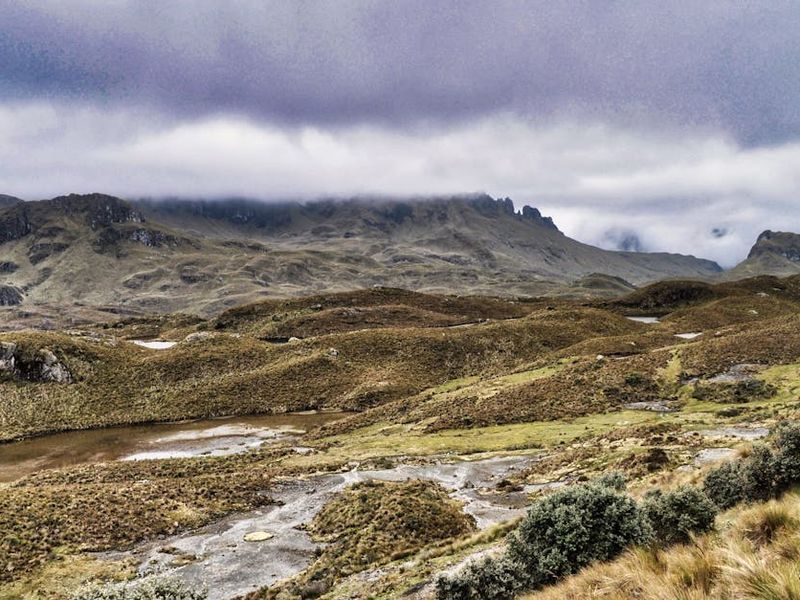
One of Cuenca’s biggest draws for dental tourists is its dual nature as a medical destination and cultural jewel. You can schedule implant placement or veneers and still enjoy the city’s rich offerings. Spend mornings in the clinic and afternoons exploring the UNESCO-listed historic center, visiting Museo Pumapungo, walking to the Turi viewpoint for panoramic views, or taking day trips to El Cajas National Park for highland hikes. Nearby artisan towns like Gualaceo and Chordeleg are famous for crafts and make delightful half-day excursions.
Smart Itineraries for Dental Travelers
- Week 1: Arrival, initial consultation, imaging, and any preparatory work (extractions, root canals).
- Week 2: Surgical phase — implants placed or major restorative work; 7–10 days of local recovery with emergency contact from clinic.
- Months 2–4: Osseointegration period; return home with a temporary prosthesis and follow-up via telemedicine.
- Return visit: Final restorations (crowns, veneers, permanent implant prostheses) — often a shorter trip.
Many clinics also offer advanced options such as immediate-load implants and full-arch solutions (All-on-X), which may reduce the number of international trips required.
Practical Travel Tips for Dental Tourists in Cuenca
Planning makes a dental vacation successful. Here are practical tips specific to Cuenca:
- Currency and Costs: Ecuador uses the U.S. dollar, which simplifies budgeting for U.S. and Canadian patients. Expect far lower treatment and living costs than North American cities.
- Airport & Transport: Mariscal La Mar International Airport (CUE) connects with Quito, Guayaquil and international hubs. Taxis and local drivers are affordable; many clinics offer airport pickups.
- Where to Stay: Choose accommodations near the Historic Center (for walkability) or the popular El Centro/Turi areas. Short-term rentals and hotels with kitchenettes are useful for post-op soft diets.
- Language: Many clinics have English-speaking staff, but basic Spanish phrases help. Ask for a patient coordinator to assist with logistics.
- Medical Records: Bring copies of dental records, X-rays, and allergy/medication info. Many clinics accept digital uploads for pre-trip treatment planning.
- Health Precautions: Check vaccinations and travel insurance. Discuss medication interactions with your provider, especially if you have chronic conditions.
How to Choose a Clinic in Cuenca
With a rising reputation, more clinics are catering to international patients. Use these criteria to choose a trustworthy practice:
- Credentials: Verify dentist licenses, continuing education, and international affiliations.
- Technology: Look for CBCT, digital impressions, CAD/CAM, and in-house or partner dental labs.
- Transparency: Ask for itemized quotes, implant brand names, material options and warranty policies.
- Before/After Photos & References: Request case studies or contactable former patients.
- Communication: Ensure there’s an English-speaking patient coordinator and a clear follow-up plan for after you return home.
- Infection Control: Confirm sterilization protocols and sedation capabilities if needed.
Real Value: Beyond Price Alone
Price creates the initial draw, but Cuenca’s dental tourists usually stay because of the overall value: skilled clinicians using modern technology, attentive service that feels personalized, and the ability to recover in a beautiful Andean city. When you total the savings, shorter waits, and the quality of life during recovery, the decision to have dental implants, crowns or veneers in Cuenca often makes practical and emotional sense.
Common Procedures and What to Expect
Here are three popular procedures dental tourists choose in Cuenca and what a typical experience looks like:
- Implants: Consultation with CBCT imaging, surgical placement of titanium or ceramic implants, healing period of 3–4 months, then placement of the abutment and prosthesis. Options include single implants, bridges on implants, and full-arch restorations.
- Crowns: Digital impressions and CAD/CAM milling enable same-day or quick-turnaround crowns. Materials include porcelain-fused-to-metal, full ceramic and zirconia.
- Veneers: Porcelain veneers crafted by skilled technicians provide cosmetic transformations at a fraction of the U.S. cost. Conservative preparation and layered esthetic work are common.
Aftercare and Follow-Up: Ongoing Support from Cuenca Clinics
Good clinics in Cuenca provide remote follow-up via email or video calls, and will coordinate care with your dentist at home if needed. Many offer emergency contacts and guidance for the healing period, and some provide written warranties for restorations. Ask about post-op instructions, recommended follow-up schedules, and what to do in case of discomfort after you return home.
Safety, Reputation, and Patient Stories
Cuenca’s growing reputation has created a vibrant dental tourism ecosystem — clinics that routinely treat international patients, partnerships with hotels and travel services, and bilingual support networks. Patient testimonials often mention not just the financial savings but the kindness of staff, efficiency of care, and the pleasure of combining treatment with a cultural getaway. As with any medical travel, read reviews, ask for references, and choose a clinic aligned with your expectations.
Is Cuenca Right for Your Dental Vacation?
If you’re seeking major dental work — implants, multiple crowns, full smile makeovers or premium veneers — Cuenca is a smart option to consider. The combination of dramatically lower costs (often 60–70% savings), highly trained clinicians, cutting-edge technology, quick scheduling, and an inviting recovery environment is uncommon. With careful planning, transparent communication, and a reputable clinic, Cuenca can deliver excellent dental results and a rejuvenating Andean escape.
Final Steps: How to Get Started
Begin with research: request digital consultations and itemized quotes from 2–3 clinics, verify credentials and technology, and map out a travel and treatment timeline that fits your needs. Factor in recovery time, potential follow-up trips, and the many local experiences that make Cuenca a worthwhile place to heal. Many patients tell us the savings help fund a longer, more comfortable stay — a true dental vacation with the added benefit of a new smile.
Cuenca is more than a low-cost option. It’s a thoughtful, patient-centered destination where quality dentistry, modern clinics, and the restorative power of a beautiful city come together. For anyone who wants excellent dental work without breaking the bank — and wants to enjoy a memorable trip while they’re at it — Cuenca, Ecuador deserves a top spot on your shortlist.