
Table of Contents
Why Cuenca Is a Popular Place for Dental Work
Cuenca, Ecuador has earned a reputation among expats and dental tourists for offering quality dental care at prices often much lower than in North America or Europe. The city’s pleasant climate, historic center, and growing international community make it an attractive base for people who want to combine treatment with travel or a longer stay. Ecuador uses the US dollar, which simplifies budgeting for many visitors and expats.
How the Dental Scene Is Organized in Cuenca
Dental offices in Cuenca range from small private practices to multi-specialty clinics that handle everything from routine cleanings to oral surgery and implantology. Many clinics are concentrated in and around the historic center (El Centro) and the busy commercial corridors, making them easy to reach by taxi or on foot if you’re staying downtown. There are also modern facilities in newer neighborhoods, often with English-speaking staff who are used to working with international patients.
Before You Book: Practical Steps and Tips
Start with a virtual consultation when possible. Many clinics will accept photos, X-rays, or a short video call to assess basic needs and give a preliminary estimate. Check reviews on Google, Facebook expat groups, and local forums. Ask whether the dentists are registered with the Colegio de Odontólogos de Azuay, and request to see recent case photos or testimonials.
Bring your dental records if you have them, and ask for a clear, written treatment plan with staged costs. Verify payment methods—cash (USD) is commonly accepted, and many clinics also take cards. Ask about warranties for crowns, implants, and prosthetics; reputable clinics often offer a limited warranty period and free adjustments.
Common Procedures: What to Expect, Typical Costs, and Aftercare
Note: price ranges below are approximate estimates and can vary by clinic, materials used, and complexity. Always get a personalized quote.
1. Dental Cleaning (Profilaxis)
What it is: A professional cleaning removes plaque, tartar, and stains, often including scaling and polishing. Many clinics offer ultrasonic scaling and finish with a polish and fluoride if needed.
Typical time: 30–60 minutes.
Estimated cost: $20–$60.
Aftercare: Maintain daily brushing and flossing. If a deep cleaning was done, follow the dentist’s advice on gentle care for a few days and avoid smoking or hard foods if gums are sensitive.
2. Fillings (Composite/Amalgam)
What it is: Removal of decay and restoration with tooth-colored composite or, less commonly, amalgam. Many offices prefer composite for aesthetic reasons.
Typical time: 30–90 minutes per tooth.
Estimated cost: $30–$120 per filling (composite can be more than amalgam).
Aftercare: Avoid chewing on the side for a few hours if local anesthesia was used. Maintain oral hygiene and return for any follow-up if sensitivity persists.
3. Root Canal Therapy (Endodontics)
What it is: Treatment of an infected or inflamed pulp inside the tooth to save it from extraction. Many general dentists in Cuenca perform root canals, and there are specialists for complex cases.
Typical time: 1–2 appointments, 60–120 minutes each.
Estimated cost: $80–$350 per tooth, depending on complexity and whether a specialist is needed.
Aftercare: Expect some tenderness for a few days. Complete any recommended follow-up restorations (crown or filling) to protect the tooth long-term.
4. Extractions and Minor Oral Surgery
What it is: Simple extractions are common, and more complex removals (wisdom teeth, impacted teeth) require oral surgery. Clinics provide local anesthesia and, if needed, sedation options.
Typical time: 15–60 minutes for a simple extraction; up to a couple of hours for surgical cases.
Estimated cost: $20–$200, with surgical removals at the higher end.
Aftercare: Follow instructions on bleeding control, swelling reduction, and pain management. Rest and soft foods for a few days; avoid strenuous activity.
5. Crowns and Bridges
What it is: Crowns restore damaged teeth; bridges replace missing teeth by anchoring to adjacent teeth. Materials include porcelain-fused-to-metal, full ceramic, and zirconia.
Typical time: 2–3 visits across 1–2 weeks (temporaries placed while lab work is done).
Estimated cost: $150–$500 per crown; bridges priced per unit and complexity.
Aftercare: Avoid very hard foods for a few days after placement; maintain excellent oral hygiene and regular check-ups to prolong the life of the restoration.
6. Dental Implants
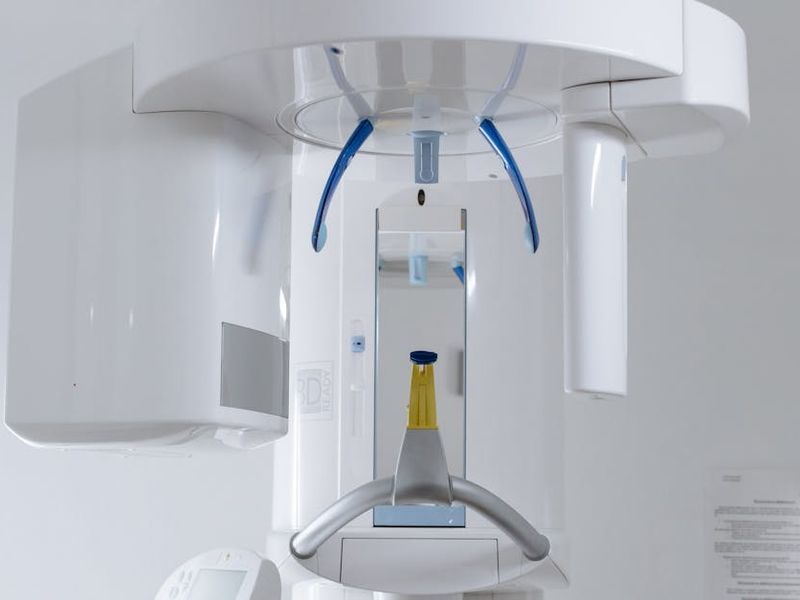
What it is: Titanium or ceramic implants replace tooth roots and support crowns, bridges, or dentures. Implantology is widely available in Cuenca, with clinics offering digital planning, guided surgery, and 3D imaging.
Typical timeline: 3–6 months from placement to final crown for traditional protocols; some clinics offer immediate loading in selected cases.
Estimated cost: $700–$1,800 per implant (implant body only), with final crown additional depending on material.
Aftercare: Maintain good oral hygiene; avoid smoking and heavy physical exertion in the days after surgery. Attend all follow-ups for osseointegration checks and prosthetic fittings.
7. Veneers and Cosmetic Dentistry
What it is: Veneers (usually porcelain or composite) and esthetic crowns improve the appearance of teeth. Clinics offering cosmetic work often produce quality results for a fraction of the price in the U.S.
Typical time: 2–4 visits across 1–3 weeks.
Estimated cost: $200–$600 per veneer (porcelain). Composite veneers are generally cheaper.
Aftercare: Avoid staining agents initially and wear a nightguard if you grind your teeth to protect veneers.
8. Dentures and Removable Prosthetics
What it is: Partial and full dentures restore function for patients missing multiple teeth. Modern materials and implant-supported dentures are options for improved comfort and retention.
Typical time: Multiple visits over 2–4 weeks for measurements, try-ins, and adjustments.
Estimated cost: $200–$1,200 depending on the type and materials.
Aftercare: Expect an adjustment period for fit and speech. Return to the clinic for relines and adjustments as needed.
How to Choose the Right Clinic in Cuenca
Look for transparency in pricing and treatment planning. A good clinic will provide digital X-rays, explain material choices (e.g., zirconia vs. porcelain), and walk you through alternatives. If you need complex restorative work, choose a clinic that offers in-house lab services or works with a well-regarded dental lab to minimize errors and delays.
Language matters: in popular expat areas you’ll find English-speaking staff, but many dentists speak basic English even if the front desk does not. Bring a Spanish-speaking friend or a translator app for detailed conversations if you’re not comfortable in Spanish.
Insurance, Guarantees, and Legal Considerations
Most international dental insurance plans don’t cover care abroad unless explicitly stated, so check your policy before traveling. Some Ecuadorian clinics accept international insurance or provide documentation you can submit later for reimbursement. Always get a written invoice and a detailed treatment description for claims.
Ask about guarantees on work like crowns and implants. Many Cuenca dentists offer warranties for a year or more, but read the fine print to understand what is covered and what follow-up care is required.
Combining Dental Care with Travel and Recovery
Cuenca’s mild mountain climate and wealth of cultural attractions make it easy to combine dental treatment with sightseeing. Plan for downtime after more invasive procedures—extractions, implants, and multiple crown preparations may require a few days of rest. The city has many comfortable short-term rentals, hostels, and small hotels popular with dental tourists.
Consider the altitude: Cuenca sits around 2,500 meters (8,200 feet). If you’ve just arrived, allow a day or two to acclimatize before scheduling oral surgery. Dehydration can affect healing, so drink plenty of fluids and follow your clinician’s guidance on medication and activity limitations.
Safety and Sterilization Standards
Most reputable practices in Cuenca follow international sterilization protocols, using autoclaves and disposable items where appropriate. Don’t hesitate to ask about infection control measures and to observe the clinic environment—clean, well-lit offices and up-to-date equipment are good signs. If you’re concerned, ask for the clinic’s sterilization policy and the brand of instruments or implant systems they use.
Aftercare and Long-Term Maintenance
Good oral hygiene and regular follow-ups are essential to protect your investment. Schedule routine cleanings every 3–6 months if you’ve had major work done, and keep emergency contact details for your dentist. For implants and crowns, professional maintenance and home care will extend longevity.
Where to Find Recommendations and Second Opinions
Local expat groups on Facebook and community forums are excellent resources for firsthand recommendations. Many clinics in Cuenca also offer second-opinion consultations, and some will communicate with your home dentist via email to coordinate care. Don’t rush major decisions—compare two or three plans if time allows.
Final Checklist Before Committing
- Get a written treatment plan with timelines and itemized costs.
- Confirm the dentist’s registration and ask about experience with the proposed procedure.
- Verify payment methods, warranties, and follow-up policies.
- Plan for recovery time and arrange accommodation nearby if needed.
- Bring any past dental records and be ready to share medical history and medications.
Conclusion
Cuenca offers a compelling mix of skilled dentists, lower prices, and a pleasant setting for dental care. Whether you need a routine cleaning, a cosmetic upgrade, or complex implant work, take the time to research clinics, ask detailed questions, and plan for follow-up care. With careful preparation, you can get high-quality dental treatment in Cuenca while enjoying one of Ecuador’s most charming cities.
For any major dental work, schedule a pre-treatment consultation, request a written estimate, and make accommodation plans for recovery time—your smile (and your peace of mind) will thank you.
Adam Elliot Altholtz serves as the Administrator & Patient Coordinator of the “Smilehealth Ecuador Dental Clinic“, along with his fellow Expats’ beloved ‘Dr. No Pain‘, right here in Cuenca, Ecuador, and for purposes of discussing all your Dental needs and questions, is available virtually 24/7 on all 365 days of the year, including holidays. Adam proudly responds to ALL Expat patients from at least 7:00am to 9:00pm Ecuador time, again every single day of the year (and once more even on holidays), when you write to him by email at info@smilehealthecuador.com and also by inquiry submitted on the Dental Clinic’s fully detailed website of www.smilehealthecuador.com for you to visit any time, by day or night. Plus, you can reach Adam directly by WhatsApp at +593 98 392 9606 -or by his US phone number of 1‐(941)‐227‐0114, and the Dental Clinic’s Ecuador phone number for local Expats residing in Cuenca is 07‐410‐8745. ALWAYS, you will receive your full Dental Service in English (NEVER in Spanish), per you as an Expat either living in or desiring to visit Cuenca by your Dental Vacation, plus also to enjoy all of Ecuador’s wonders that are just waiting for you to come arouse and delight your senses.