
Table of Contents
Introduction: Why routine dental care matters in Cuenca
Moving to Cuenca is exciting: colonial streets, a temperate climate, and a slower pace of life. One part of staying healthy and happy here is keeping up with your oral health. Regular dental check-ups prevent small issues from becoming expensive or painful problems later—especially important if you plan to be in Ecuador long-term. This guide answers when to schedule visits, what to expect at appointments in Cuenca, and practical tips that help expats get the best care.
Why regular dental visits are important
Routine check-ups do much more than polish teeth. Dentists screen for cavities, gum disease, and early signs of oral cancer. Professional cleanings remove tartar that brushing and flossing miss, helping prevent bone loss and tooth loss. For people with chronic conditions like diabetes or those taking certain medications, regular dental care reduces the risk of complications. For expats in a new health system, preventive visits also help you build a relationship with a trusted provider before any emergency occurs.
Health benefits beyond the mouth
Poor oral health is linked to heart disease, stroke, and complications during pregnancy. Treating issues early can improve overall wellbeing and quality of life. Many chronic conditions common in middle age show early signs in the mouth—dentists are often the first to notice.
How often should you go? A practical schedule
General recommendations are a good starting point, but frequency depends on individual risk factors.
- Every six months: Most healthy adults should see a dentist for an exam and cleaning every six months. This biannual rhythm helps catch cavities and gum inflammation before they progress.
- Every three to four months: If you have a history of gum disease (periodontitis), heavy tartar buildup, or take medications that affect saliva flow, quarterly cleanings may be best.
- Once a year: Low-risk individuals with excellent home care might be able to extend exams to every 12 months—discuss this with your dentist.
- Immediately: For sudden pain, swelling, knocked-out teeth, or dental trauma, seek prompt care—ideally within hours for a knocked-out tooth.
What to expect at your first dental visit in Cuenca
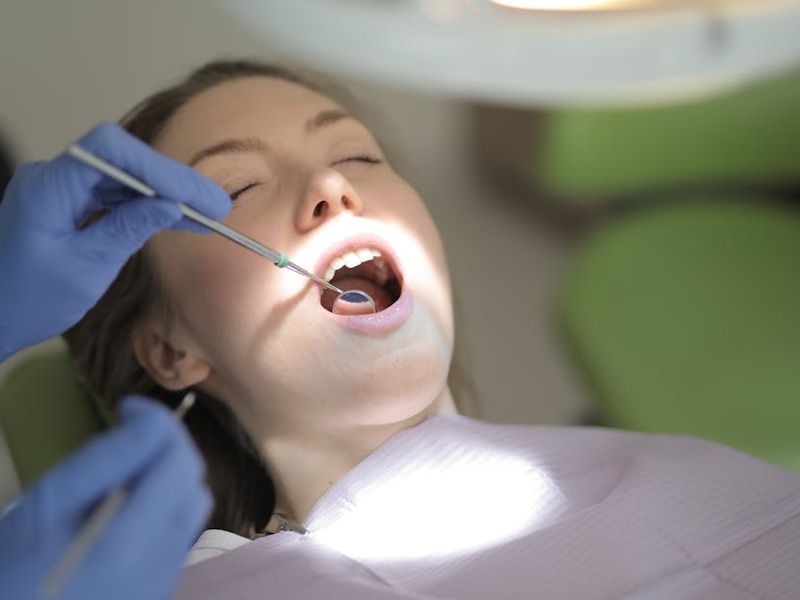
The first appointment often includes a thorough evaluation to establish a baseline.
- Medical and dental history: You’ll fill out or discuss medications, allergies, past dental treatment, and any current symptoms.
- Oral exam: The dentist inspects teeth, gums, jaw joints, and soft tissue for signs of disease.
- X-rays: Bitewing or panoramic X-rays are commonly taken to spot decay between teeth, bone loss, or hidden infections.
- Cleaning (profilaxis): A hygienist or dentist removes plaque and tartar, flosses, and often applies fluoride polish.
- Treatment plan: You’ll get a clear list of recommended treatments, projected costs, and timelines. Good clinics provide written estimates.
Bring these items to your first appointment
- Photo ID and residency card if you have one
- A list of medications and allergies
- Previous dental X-rays or reports, if available
- Dental insurance card or payment method
- A short list of questions or concerns
Finding a dentist in Cuenca: tips and resources
Cuenca’s dental scene is a mix of independent offices and specialty clinics. Many dentists speak at least some English, especially in the central neighborhoods popular with expats. Here’s how to find a trustworthy provider:
- Ask other expats: Local Facebook groups, expat forums, and coffee-shop conversations are excellent starting points. Expats often share recent experiences and referrals.
- Read online reviews: Google Maps, Facebook, and clinic websites give insight into patient experiences. Look for detailed reviews about sterilization, communication, and follow-up care.
- Visit clinics in person: A quick walk-in gives you a feel for cleanliness and professionalism. Bring a Spanish phrase cheat-sheet or a translation app.
- Ask credentials: Dentists in Ecuador should be registered with the local professional body (Colegio de Odontólogos). It’s fine to ask where they trained and whether they have specialist training if you need implants or orthodontics.
- Use local expat businesses: Some clinics specifically cater to foreigners and provide English-speaking staff, digital X-rays, and written estimates.
Costs and payment: what expats should know
One advantage of living in Cuenca is that dental care is generally more affordable than in the U.S. or Canada. Costs vary by procedure, materials, and the clinic’s location. Private clinics in central Cuenca may charge more than smaller neighborhood offices, but often offer modern equipment and English-speaking staff.
Common cost considerations:
- Routine cleaning and exam: often a fraction of North American prices, but shop around and confirm what’s included.
- Fillings and crowns: material choice (composite vs. porcelain) affects the price and longevity.
- Implants and cosmetic work: these are higher-cost services—get multiple opinions and written warranties when possible.
- Payment methods: many clinics accept cash, Visa or MasterCard, and bank transfers. Ask about tax (IVA) and whether prices include X-rays and follow-up visits.
Tip: Ask for a written treatment plan and cost estimate before starting work. This protects you if additional procedures are later recommended.
Insurance and public dental services
If you work in Ecuador and contribute to the social security system (IESS), dental services may be available through public clinics associated with IESS—coverage and wait times vary. Many expats without IESS coverage pay out-of-pocket or buy private health plans that include dental. Before you rely on public services, confirm eligibility and typical wait times. Private dental insurance plans are available but evaluate whether the monthly premium is worth the anticipated care needs.
Emergency dental care in Cuenca
Dental emergencies do happen: sudden pain, swelling, or trauma. Make a plan in advance—identify a 24-hour clinic or hospital with dental services, and keep a local phone number handy. For a knocked-out tooth, keep it moist (milk or saline) and seek care immediately—ideally within an hour for best re-implantation chances.
If you cannot reach a dentist immediately, a pharmacist can often recommend initial pain relief or antibiotics, but this is only a stopgap; seek definitive treatment as soon as possible.
Pediatric and geriatric dental care in Cuenca
Families and retirees have specific dental needs. Pediatric dentists focus on preventive strategies—sealants, fluoride treatments, and education on diet and brushing. Many private clinics offer child-friendly rooms and bilingual staff.
For older adults, look for dentists experienced with gum disease management, dentures, and implant options. Mobility considerations are important—ask if the clinic has accessible entryways and comfortable chairs.
Preventive habits that make check-ups easier
Good home habits reduce visits and cost. Follow these practical steps:
- Brush twice daily with fluoride toothpaste and a soft-bristled brush.
- Floss once a day to remove interdental plaque.
- Limit sugary and acidic foods; Ecuadorian snacks and tropical fruits are delicious but rinse or brush after high-sugar meals.
- Use an alcohol-free mouthwash if you have dry mouth or high caries risk.
- Stay hydrated; dry climates and some medications lower saliva flow, increasing decay risk.
Language tips and common Spanish phrases for dental visits
Knowing a few dental Spanish phrases helps even if your dentist speaks English. Here are common words and phrases:
- “Tengo dolor de muela” — I have a toothache.
- “¿Puede hablar en inglés?” — Can you speak English?
- “Necesito una limpieza” — I need a cleaning.
- “¿Cuánto cuesta este tratamiento?” — How much does this treatment cost?
- “¿Qué material usarán para la corona/implante?” — What material will you use for the crown/implant?
- “¿Hay garantía?” — Is there a warranty?
- “¿Puedo ver el presupuesto por escrito?” — May I see the estimate in writing?
Questions to ask your dentist
Before accepting treatment, ask these to be sure you understand the plan:
- What is the diagnosis and are there alternatives?
- What are the risks and benefits of the proposed treatment?
- How long will the procedure take and how many visits?
- What materials will be used and do they have international certifications?
- Is there a warranty or follow-up care included?
- What happens if I move away—how will follow-up be handled?
Deciding between routine care in Cuenca and dental tourism
Some expats travel to other countries for major dental procedures. Cuenca itself can be a smart place for treatment because of the balance between quality and cost. If you consider going abroad for major work, weigh travel costs, aftercare, and the ability to return for repairs. High-quality local dentists in Cuenca often provide comprehensive care with less travel stress.
Final checklist: Your dental action plan in Cuenca
- Schedule an initial dental exam within your first few months in Cuenca.
- Bring previous dental records or X-rays if you have them.
- Find a clinic near your neighborhood and verify language options.
- Confirm payment methods and ask for a written cost estimate.
- Plan for routine cleanings every six months or more often if recommended.
- Keep emergency clinic numbers and a small dental kit (gauze, pain reliever) on hand.
Conclusion: Make preventive dental care part of your Cuenca life
Keeping your dental visits regular is one of the simplest ways to enjoy life in Cuenca without unnecessary pain or expense. With affordable private clinics, English-friendly providers, and supportive expat networks, it’s easy to build a reliable dental care routine. Start with an exam, stay on top of cleanings, learn a few useful Spanish phrases, and you’ll have a healthy smile to match your new life in Ecuador.