
Table of Contents
Why Cuenca Should Be on Every Nature Lover’s Map
Cuenca, Ecuador is often celebrated for its colonial charm and UNESCO-listed architecture, but the city sits amid some of the most varied Andean landscapes in the country. In less than an hour you can move from cobblestone plazas and riverside promenades to windswept páramo, glacial lakes, and cloud-forested valleys. That proximity to the wild is what makes Cuenca a compelling base for people who want to mix cultural travel with authentic outdoor adventures.
Quick facts you should know before you go
Cuenca sits at about 2,560 meters (8,400 feet) above sea level, which means the air is noticeably thinner than at sea level and the weather can change quickly. Cajas National Park, the most iconic nearby wilderness, rises much higher—many trails sit between roughly 3,100 and 4,400 meters—so plan for cooler temperatures, strong daytime sun, and cold nights. The dry months (June–September) offer clearer skies for hiking and photography, while the rest of the year brings more frequent afternoon showers and dramatic cloudscapes.
El Cajas National Park: Lakes, páramo and dramatic vistas
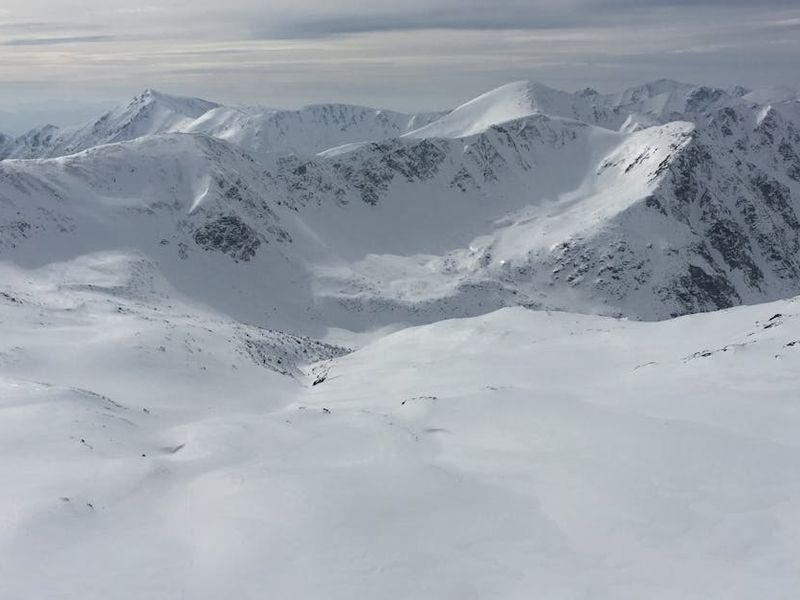
No roundup of Cuenca’s natural attractions is complete without El Cajas (Parque Nacional Cajas). Located roughly 30 kilometers northwest of the city, El Cajas is a high-elevation mosaic of rolling grasslands, peat bogs, and hundreds of small glacial lakes called lagunas. The park’s open vistas and reflective tarns are outstanding for landscape photography, while the network of trails suits day hikes and multi-day treks alike.
Highlights in El Cajas include easy lakeside walks to scenic viewpoints, more strenuous ridge treks that give you sweeping panoramas, and wildlife watching—look for waterfowl like Andean coots and ducks, Andean snipe, and occasionally larger species such as the elusive spectacled bear (though sightings are rare). The park’s fragile páramo vegetation is distinctive—low grasses, cushion plants, and scattered Polylepis woodlands—so stay on established trails to protect this sensitive habitat.
Practical tips for visiting El Cajas
- Go with a local guide if you want to tackle longer routes or learn about the flora and fauna—guides are knowledgeable and can help with route-finding when clouds reduce visibility.
- Dress in layers: temperatures can drop suddenly and wind can be intense. A waterproof outer layer and warm mid-layer are essential.
- Bring water, snacks, a map or GPS app, and sun protection—UV is strong at high altitude even when it’s cool.
- Altitudinal adjustment: spend a day or two in Cuenca before heading higher if you’re not acclimated.
Riverside charm: Río Tomebamba and the city greenways
The Río Tomebamba threads through Cuenca and is a delightful urban nature corridor. Stone bridges, riverside promenades, and planted terraces make strolling along the Tomebamba one of the city’s simplest pleasures. Follow the riverbanks for peaceful early-morning walks when local residents practice their routines, or linger in leafy plazas where kids play and street vendors sell coffee and snacks.
Don’t miss El Barranco, the dramatic steep slope on the south side of the river. Its mix of native trees and manicured gardens make it a favorite spot for photographers and quiet contemplation, and several narrow trails link plazas to the waterline. For birders, the river corridor draws species that love edges—kingfishers, warblers, and resident hummingbirds frequent the bushes and feeders near museums and parks.
Turi and city viewpoints: nature without leaving town
If you want sweeping views without a long drive, head to Turi, the hilltop neighborhood southeast of the historic center. The vantage points and the white stone church provide panoramas over the city and the surrounding Andean ridges. It’s a great place for sunset, and on clear days the valley lighting is remarkable. Nearby, small artisanal markets sell woven goods and snacks—ideal for combining landscape appreciation with light exploration.
Birdwatching around Cuenca: where to go and what to expect
Cuenca is a rewarding place for birdwatchers because of the city’s varied elevation gradients and habitat types. Pumapungo, a museum complex and archeological park in town, contains gardens and a small wetland area frequented by hummingbirds and waterfowl—perfect for short, accessible birding sessions. For more intensive birding, take an early-morning trip up to El Cajas or into nearby cloud forests where you’ll find trogons, tanagers, and a rich diversity of hummingbirds.
Seasonality matters: dry season mornings are quieter and often best for spotting birds before clouds and rain push them into sheltered cover. Bring binoculars, a field guide (or a birding app), and consider hiring a local birding guide who knows the seasonal hotspots and can help you find rarer species.
Waterfalls, valleys and nearby towns: easy day trips
Outside the city, Azuay province’s river valleys and smaller mountain ranges offer excellent day-trip options. The towns of Gualaceo and Chordeleg, to the east and southeast of Cuenca, provide access to lush valleys, riverside walks, and waterfalls. Gualaceo’s surrounding hills have short hiking routes and rural landscapes dotted with farms and coffee plots, while Chordeleg’s artisan workshops are a cultural stop that pairs well with a nature walk in the countryside.
Another rewarding option is to explore the Paute River canyon system and its tributaries, where you’ll find viewpoints, terraces, and off-the-beaten-track cascades. These lower-elevation spots are greener and warmer than El Cajas and can be good choices for families or travelers seeking gentler walks.
Outdoor activities beyond hiking
Cuenca’s landscape invites a variety of activities beyond foot travel. Mountain biking is increasingly popular on designated trails and rural roads around the city. Horseback riding outfits near Cuenca offer excursions into the hills and along river valleys—an economical and scenic way to experience the countryside. Trout fishing is common in local highland lakes and streams (with appropriate permits where required), and photography workshops or guided photo-walks are a great way to learn how to capture Cuenca’s special light.
Safety, logistics and recommended gear
Thinking ahead will make your natural outings safer and more enjoyable. Basic items to pack include: waterproof hiking boots, layered clothing, a windproof jacket, warm hat and gloves for high treks, sunscreen, sunglasses, a refillable water bottle, and snacks. Altitude can affect anyone—symptoms include headache, nausea, and fatigue—so ascend gradually, stay hydrated, and avoid heavy exertion on your first day at altitude.
If you’re planning to drive to high-elevation trails, remember that mountain roads can be steep and narrow. Take it slow and plan for extra travel time. Many visitors opt for organized day tours to El Cajas and surrounding attractions; these tours take care of transport and local knowledge, which can be helpful if you’re short on time.
Responsible travel: protecting Cuenca’s natural heritage
Cuenca’s natural environments are fragile, particularly the páramo and peatlands of El Cajas, which act as important water reservoirs and carbon sinks. Respect the landscape by staying on marked trails, packing out your trash, and avoiding the temptation to pick plants or feed wildlife. Support local conservation by hiring certified guides, paying park fees when applicable, and choosing local eco-friendly accommodations and restaurants. Your small choices support the long-term health of these ecosystems and the communities that steward them.
Three sample itineraries for different timeframes
One-day nature escape
- Morning: Walk the Río Tomebamba riverfront and explore Pumapungo’s gardens for birdwatching.
- Afternoon: Drive up to Turi for panoramic views and a sunset photo session.
Weekend into the highlands
- Day 1: Join a guided day trip to El Cajas—short hikes to scenic lagunas and wildlife watching.
- Day 2: Explore Gualaceo and Chordeleg for waterfalls, light hikes, and artisan markets.
Week-long nature-focused trip
- Days 1–2: Acclimatize in Cuenca, river walks, Pumapungo, and city viewpoints.
- Days 3–4: Multi-day trekking or a_base-campstyle exploration in El Cajas with a guided itinerary.
- Days 5–7: Venture to lower-elevation cloud forests, waterfalls, and rural valleys for birding and cultural immersion.
Final thoughts: make time for both city streets and wild skies
Cuenca is a city that invites a rhythm of contrasts—morning markets and colonial plazas, afternoons in the shade beside a river, and nights under vast Andean skies. For nature lovers, it provides an unusually convenient gateway to highland lakes, cloud forests, and pastoral valleys all within easy reach. With simple planning, respect for fragile habitats, and a willingness to wander off the main roads, you’ll discover why so many visitors fall in love with Cuenca’s wild side.
Whether you have a single day or an entire week, balance is the key: sample the city’s green corridors, then venture higher for raw mountain scenery. The result is a trip that blends culture and nature in a uniquely Andean way.