
Table of Contents
Why Cuenca is a Photographer’s Dream
Cuenca, Ecuador blends well-preserved colonial architecture, riverfront charm, Andean highland landscapes, and lively markets into a compact, walkable city. The UNESCO-designated historic center offers endless symmetrical facades, ornate balconies, and the iconic blue domes that punctuate the skyline. Beyond the center, nearby ruins, artisan towns and páramo lakes deliver dramatic landscape and cultural scenes within easy reach of the city.
For photographers this combination means you can go from intimate street portraits in a morning market to sweeping mountain panoramas by sunset — all in a single day. The light is often crisp because Cuenca sits at about 2,560 meters (8,400 feet), and weather changes fast, offering ever-changing atmospheric conditions to experiment with.
Must-Shoot Spots in the Historic Center
The core of Cuenca is compact, so you can frame dozens of distinct images while strolling a few blocks. Here are the highlights to prioritize.
Parque Calderón and the Cathedral(s)
Start at the Plaza Calderón to photograph the cathedral complex from multiple angles. The New Cathedral’s cobalt-blue domes are an unmistakable subject, especially when framed with foreground bougainvillea or a café terrace. Try both wide-angle shots that show the dome against the city and telephoto frames that compress the ornate tilework and surrounding roofs.
For interiors and detailed ornamentation, use a fast wide-angle lens or bracket exposures for HDR to preserve church shadow detail.
River Tomebamba & El Barranco
The river promenade offers terraces, arched bridges, and colorful buildings reflected in the water after rain. Walk along the Tomebamba’s pedestrian paths to catch different viewpoints — dawn reflections and twilight blue-hour scenes are particularly strong here. El Barranco, descending toward the river, gives a layered perspective perfect for leading-line compositions.
Calle Larga and Colonial Alleys
Calle Larga is lined with shops, galleries and traditional balconies. Narrow cobblestone alleys open into intimate plazas where local life unfolds: seated elders, artisans, and street musicians. Use a 35mm or 50mm prime to capture candid street portraits with pleasing background separation.
Pumapungo Museum and Archaeological Grounds
Pumapungo combines museum exhibits with Inca terraces and ruins. The stone walls and elevated platforms make striking textures for architectural abstracts. The ethnobotanical garden and hummingbird feeders are great for macro and wildlife shots — try a longer lens for hummingbirds and a macro lens for plants and textiles.
Markets, People, and Cultural Portraits
Cuenca’s markets are alive with color and motion. From fresh produce and flowers to artisan stalls, they are a rich source of human stories.
Flower and Produce Markets
Early morning is the best time at markets — vendors are active, light is soft, and crowds are thinner. Look for vivid textures: piles of citrus, floral bouquets, and wrinkled hands counting bills. Use a fast lens (f/1.8–f/2.8) to separate subjects from busy backgrounds and carry small bills for polite purchases and portrait tips.
Artisan Workshops and Chordeleg
Short day trips to nearby artisan towns like Chordeleg (famous for silver jewelry) and Gualaceo (textiles and leatherwork) provide studio-portrait opportunities. In small workshops you’ll find artisans shaping metal, weaving on looms, and finishing delicate pieces. Ask permission before shooting, offer to share a print or file, and be prepared to photograph details of tools and hands — the close-up storytelling is powerful.
Scenic Day Trips: Mountains, Lakes, and Ruins
Beyond the city, the Azuay province delivers dramatic highland scenery and archeological sites that are worth at least one full-day outing.
El Cajas National Park
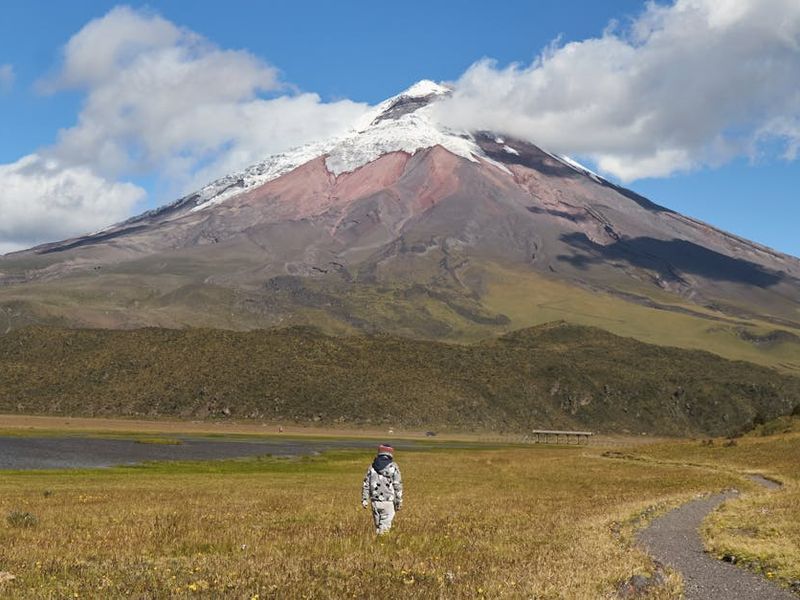
About 30–45 minutes from Cuenca, El Cajas is a high-altitude park of páramo, wind-scarred hills and glacial lakes. Bring tripod and neutral-density filters for silky long-exposure shots of lake surfaces and cloud movement. Expect cool temperatures and fast-changing light — dress in layers and bring waterproof footwear.
Ingapirca Ruins
One of the best-preserved Inca sites in Ecuador, Ingapirca’s stone architecture and surrounding valleys create dramatic compositions at midday and sunset. Stone textures and the interplay of light across terraces are excellent for monochrome and high-detail images. For panoramas, stitch multiple frames or use a wide lens with careful horizon control.
Best Times, Weather Patterns, and Seasonal Tips
Cuenca’s climate is temperate but fickle. There are wetter and slightly drier months, and conditions can shift during a single afternoon.
Light & Golden Hours
Golden hour in Cuenca is a photographer’s best friend — the low-angle light sculpts cathedral domes and terrace walls beautifully. Sunrise is quieter in the historic center and markets are less busy; sunset at Turi or the river promenade offers expansive skies and city glow. Plan for both early starts and late finishes to capture varied moods.
Rain, Clouds and Overcast Days
Afternoon showers can be frequent depending on the season. Overcast skies are excellent for even lighting on façades and for street portraits without harsh shadows. Rain also creates reflective surfaces for creative shots — a simple umbrella can add color or become a prop for human-interest images.
Gear, Settings and Practical Shooting Tips
Cuenca’s diversity of subjects calls for versatile gear and straightforward settings that will allow you to adapt quickly.
Essential Gear
- Mirrorless/DSLR body and two lenses (a wide/standard zoom like 24–70mm and a telephoto like 70–200mm) or a versatile 24–105mm.
- Fast prime (35mm or 50mm) for low-light interiors and street portraits.
- Sturdy tripod for architecture interiors, long exposures and landscape panoramas.
- Polarizer and neutral-density filters for reflections and long exposures.
- Rain cover for camera and a microfiber cloth — humidity and drizzle can appear suddenly.
Settings and Composition Tips
- Architecture: f/8–f/11 for sharpness and depth. Use a tripod for slow shutter interiors and bracket exposures if necessary.
- Street: shoot RAW, use zone focusing with faster shutter speeds (1/250s+), and set ISO between 200–800 depending on light.
- Landscapes: lower ISO (100–200), aperture f/8–f/16, and shoot multiple focal points for focus-stacking if needed.
- People: catch candid expressions and then ask permission for a formal portrait. Use a wider aperture (f/2.8–f/4) to isolate subjects.
Practicalities: Permits, Drones, and Safety
Respecting local rules and staying safe will help your photographic experience stay positive.
Drone Use
Drones capture incredible aerial views of Cuenca and the Andes, but regulations can be strict and airspace near airports is restricted. Always check the latest national and municipal drone restrictions, get necessary permits when offered, and be discreet to avoid disturbing residents or protected sites.
Permissions and Respect
Always ask before photographing people — many locals are happy to be photographed if asked politely. Some cultural sites, museums, and indoor markets may restrict flash photography; look for signs and ask staff. When photographing artisans or workshops, consider buying a small item as a goodwill gesture.
Personal Safety
Cuenca is generally safe, but standard precautions apply: carry minimal gear in busy streets, use a crossbody camera strap, and avoid flashing expensive gear at night. Back up your images daily to a cloud service or portable drive to minimize risks of loss or theft.
Creative Ideas & Composition Exercises
To make the most of your time, try these focused exercises that will improve your eye and expand your portfolio.
- Color study: spend an hour photographing only blues in the city — tiles, doors, textiles and the cathedral dome.
- Texture hunt: capture five different stone wall textures in Pumapungo and the cathedral precincts.
- Human element: create a series of portraits of artisans at work, focusing on hands and tools as narrative elements.
- Leading lines: use cobblestone streets, bridges, and riverbanks to draw viewers into the frame.
Sample 3-Day Photographer’s Itinerary
Here’s a condensed plan to capture the essence of Cuenca in three days, mixing city scenes and nearby landscapes.
Day 1 — Historic Core and Markets
Sunrise at Parque Calderón, then a morning in the central market to capture vendors and flowers. Afternoon at Pumapungo with interiors and ruins; evening golden hour along the Tomebamba and El Barranco.
Day 2 — Artisan Towns
Day trip to Chordeleg and Gualaceo for jewelry and textile workshops. Focus on portraits, close-ups, and studio lighting if shops permit. Return to the city for sunset views from a rooftop terrace near the cathedral.
Day 3 — Mountains and Ruins
Early departure to El Cajas or Ingapirca for landscape and Inca architecture. Plan for long-exposure lakes, moody cloudscapes, and panoramic stitching at higher elevations.
Editing and Presentation Tips
Post-processing can elevate your images while staying true to the atmosphere you shot. Keep a consistent style for city shots — slight desaturation with contrast and clarity adjustments often suits architectural images. For markets and portraits, bring out colors selectively and retain skin-tone accuracy. When presenting travel work, group images by theme (architecture, portraits, landscapes) to tell a coherent visual story.
Final Advice for Visiting Photographers
Cuenca rewards those who slow down and look for layers: a reflected dome in a puddle, a weathered balcony with a satellite dish, or a silversmith’s hands frozen mid-flash. Plan your days around light, protect your gear from sudden weather, and practice respectful interaction with locals. With a little planning and an open eye, you can fill a portfolio with diverse, memorable images from this charming Andean city.
Bring patience, a willingness to explore side streets, and a notebook to jot down locations and times when light was at its best. Cuenca offers endless photographic possibilities — return home with both portfolio highlights and stories behind each frame.