
Table of Contents
Welcome to Cuenca: First Impressions and What to Expect
Cuenca is a compact, walkable city of red-tiled churches, rivers that cut through a charming colonial center, and a steady, spring-like climate. It sits high in the Andes at about 2,560 meters (roughly 8,400 feet) and blends indigenous traditions with a strong expatriate presence. If this is your first visit, you’ll want practical guidance to make the most of the city without stumbling on common rookie mistakes.
Getting Here and Getting Around
Arrival by Air and Road
Cuenca’s Mariscal Lamar Airport handles domestic flights and a few international connections; most overseas travelers arrive via Quito or Guayaquil and fly the short hop or take a comfortable intercity bus. If you land at the airport, pre-book a shuttle or ask your hotel to arrange a taxi—drivers waiting at official stands are typically reliable.
Transport Within the City
The historic core around Parque Calderón is best explored on foot. Streets are narrow and often paved with cobblestones, so comfortable, closed shoes are a must. For longer trips, buses are frequent and extremely affordable—carry small change. Taxis are plentiful and inexpensive; ask your hotel to call one or insist on the meter if possible. Ride-hailing apps may operate inconsistently, so don’t rely on them exclusively.
Altitude and Health: How to Acclimatize
At over 2,500 meters, Cuenca’s altitude can catch visitors off guard. Take your first 24–48 hours slowly: skip intense workouts, drink plenty of water, and get a good night’s sleep. Many visitors find coca tea (mate de coca) helps mild symptoms like headache or nausea—it’s widely available in cafés and markets. If you have heart or respiratory conditions, consult your physician before travel and pack any prescription medications with you.
Climate and Packing Tips
Cuenca enjoys a mild climate year-round, with daytime temperatures often between 12–22°C (54–72°F) and cooler nights. The city has a distinct rainy season and drier months: plan for rain gear and layers. A lightweight waterproof jacket, a warm sweater for evenings, comfortable walking shoes with good tread for cobblestones, and a sunhat are essential. Don’t underestimate the sun at altitude—bring sunscreen and sunglasses.
Money, Phones, and Practicalities
Currency and Payments
Ecuador uses the US dollar as its official currency. Carry small bills and coins—vendors, buses, and smaller restaurants often prefer cash. Many hotels, restaurants, and shops accept credit cards, but always ask before assuming. ATMs are widely available in the city center; when possible, use machines inside banks for better security.
Mobile Service and Connectivity
Buy a local prepaid SIM (providers like Claro and Movistar are present) if you want better data coverage than free hotel Wi‑Fi. Purchase and top up at company stores or authorized kiosks, and bring your passport, which is often required for registration. Wi‑Fi is common in cafés and hotels but can be slow—download offline maps and a Spanish phrasebook app before you arrive.
Where to Stay: Neighborhoods and Lodging Choices
For a first visit, book accommodation near the historic center (around Parque Calderón and the rivers Tomebamba and Yanuncay). This location puts you within walking distance of major attractions, museums, restaurants, and markets. The neighborhood is lively at night; if you prefer quiet, look for hotels one or two blocks off the main plazas. Budget travelers will find hostels and guesthouses; boutique hotels and mid-range options are plentiful, and many apartments are available for short stays through rental platforms.
Safety and Common-Sense Tips
Cuenca is considered relatively safe compared with many Latin American cities, but petty theft and opportunistic crime occur. Use these simple precautions: keep valuables in a hotel safe, carry a copy of your passport and leave the original locked up if possible, and watch your belongings in busy markets and on buses. At night, stick to well-lit areas—especially if you’re unfamiliar with the streets—and have your accommodation address written down in Spanish for taxi drivers.
Food, Drink, and Eating Out
One of the pleasures of Cuenca is its food scene, where traditional Andean dishes meet modern cafés and international cuisine. Try hearty local classics like locro de papa (creamy potato-and-cheese soup), fritada (crispy pork with corn and plantain), and hornado (slow-roasted pork). For the adventurous, cuy (guinea pig) is a traditional specialty often served whole at celebratory meals.
Markets and food stalls offer fresh fruit, juices, and inexpensive meals—perfect for a budget-friendly culinary tour. Many restaurants add a service charge, but a 10% tip on top is customary when service is good. If you’re sensitive to tap water, bottled water is inexpensive and readily available, though many locals drink treated municipal water without issue.
Markets, Shopping, and Souvenirs
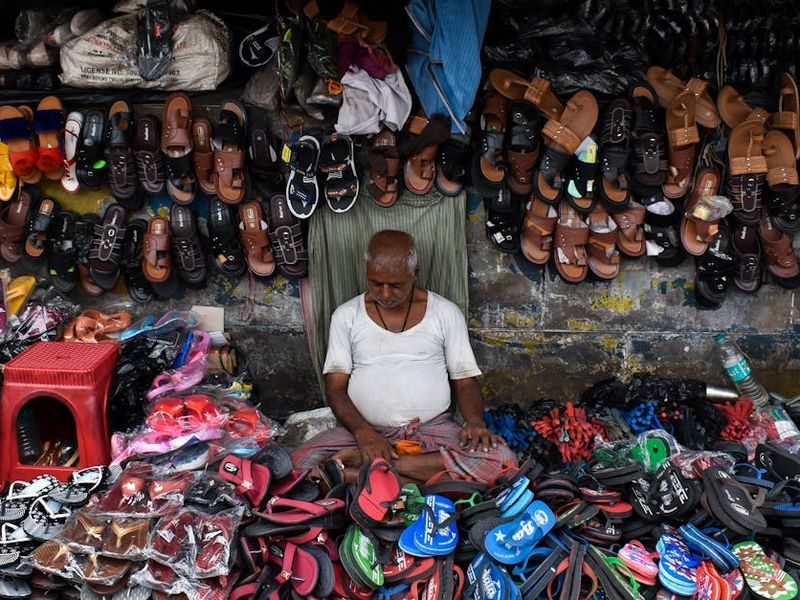
Cuenca is famous for talented artisans and traditional crafts. The city is a great place to buy genuine toquilla straw hats (often called “Panama” hats), wool textiles, silver filigree jewelry from nearby Chordeleg, and colorful ceramics. Bargaining is common at open markets and artisan stalls—start a little lower than the asking price and negotiate politely. Look for tightly woven straw and a fine, even texture when choosing a genuine toquilla hat.
Museums, Churches, and Must-See Sights
Amapped walking route can easily include:
- Parque Calderón and the iconic cathedral with its distinctive blue domes—a great starting point for exploring the historic center.
- Riverside promenades along the Tomebamba—perfect for an afternoon stroll and photography.
- Museo Pumapungo, which features ethnographic exhibits and impressive archaeological finds from the region.
- Small contemporary art galleries and the city’s cultural centers scattered through the downtown area.
Take your time in churches and public spaces—many are centuries old and filled with history. Photographing interior spaces is usually allowed but check posted signs if flash or tripods are restricted.
Cultural Etiquette and Helpful Spanish
Cuencanos are known for being polite and reserved. A friendly greeting when entering a shop or restaurant goes a long way—use simple Spanish phrases like “buenos días/tardes/noches,” “por favor,” and “gracias.” In informal social settings, a single kiss on the right cheek is a common greeting; in business or formal contexts, stick with a handshake. Learning a few Spanish phrases will enhance your interactions and often lead to warmer experiences.
Festivals and the Best Times to Visit
Cuenca has lively cultural celebrations year-round. Two highlights that attract many visitors are Semana Santa (Holy Week), which features processions and religious events, and the annual November festivities around the city’s founding—expect parades, music, and traditional foods. The dry season (roughly June through September) is a popular time to visit for clear skies and outdoor excursions. If you prefer fewer crowds and lower prices, consider shoulder seasons in late spring or early autumn.
Great Day Trips from Cuenca
El Cajas National Park
About a 30–50 minute drive from the city, El Cajas is a highland national park of glacial lakes, rolling páramo, and dramatic skies. It’s perfect for hiking, birdwatching (look for Andean ducks, coots, and sometimes condors), and photography—pack warm layers and waterproof gear as weather changes quickly.
Chordeleg and Gualaceo
East of Cuenca lies the artisan corridor: Gualaceo offers markets and local produce, while Chordeleg is famous for silver filigree jewelry and small artisan workshops. Both towns make for relaxed half-day or full-day visits and are ideal if you want to see production processes and buy handcrafted goods directly from makers.
Ingapirca and Cañar
For history enthusiasts, Ingapirca—the largest known Inca ruins in Ecuador—is a popular day trip. About 1.5–2 hours from Cuenca, the site offers a fascinating glimpse into pre-Columbian architecture and regional history. Combine this trip with visits to small mountain towns for a richer cultural experience.
Photography, Responsible Tourism, and Respect
Photography is welcome in most public places, but when photographing people—especially indigenous artisans or market vendors—ask permission and offer to pay for posed shots. Supporting local businesses and buying directly from artisans helps ensure that tourism dollars benefit the community. Consider taking a guided tour with a local operator to deepen your understanding of cultural sites and create positive connections.
Final Practical Checklist for Your Trip
- Bring layers, rain jacket, comfortable walking shoes, sunscreen, and a small daypack.
- Carry small USD bills and coins; keep a mix of cash and card for flexibility.
- Plan 24–48 hours to acclimatize to altitude; hydrate and take it easy the first day.
- Learn a few Spanish phrases and download offline maps and a translation app.
- Book hotels near the historic center for convenience, but expect some nighttime activity in busier areas.
- Respect local customs, ask before photographing people, and support authentic artisans.
Cuenca rewards visitors with atmosphere, cuisine, and a slower pace that’s perfect for exploring on foot. With a bit of preparation—layered clothes, small cash on hand, and patience for winding cobbled streets—you’ll find the city easy to enjoy and full of memorable discoveries. Whether you’re wandering riverside promenades, hunting for the perfect toquilla hat, or taking a day trip into the high Andes, Cuenca offers big experiences in a welcoming, manageable size.
Adam Elliot Altholtz serves as the Administrator & Patient Coordinator of the “Smilehealth Ecuador Dental Clinic“, along with his fellow Expats’ beloved ‘Dr. No Pain‘, right here in Cuenca, Ecuador, and for purposes of discussing all your Dental needs and questions, is available virtually 24/7 on all 365 days of the year, including holidays. Adam proudly responds to ALL Expat patients from at least 7:00am to 9:00pm Ecuador time, again every single day of the year (and once more even on holidays), when you write to him by email at info@smilehealthecuador.com and also by inquiry submitted on the Dental Clinic’s fully detailed website of www.smilehealthecuador.com for you to visit any time, by day or night. Plus, you can reach Adam directly by WhatsApp at +593 98 392 9606 -or by his US phone number of 1‐(941)‐227‐0114, and the Dental Clinic’s Ecuador phone number for local Expats residing in Cuenca is 07‐410‐8745. ALWAYS, you will receive your full Dental Service in English (NEVER in Spanish), per you as an Expat either living in or desiring to visit Cuenca by your Dental Vacation, plus also to enjoy all of Ecuador’s wonders that are just waiting for you to come arouse and delight your senses.