
Table of Contents
Why Cuenca should be on your travel list
Cuenca, Ecuador’s charming highland jewel, pairs colonial architecture and lively markets with modern cafés and a relaxed pace of life. Its tree-lined plazas, blue-domed cathedral and riverwalks make it an easy city to fall in love with—especially for travelers who enjoy a mix of history, nature and good food. If this is your first visit, a little local knowledge will help you make the most of your time without falling for tourist traps or basic mistakes.
Quick facts every first-time visitor should know
- Altitude: Around 2,560 meters (about 8,400 feet). Expect cool mornings and evenings and mild daytime temperatures.
- Currency: Ecuador uses the US dollar (USD), which simplifies budgeting if you’re coming from the United States.
- Language: Spanish is the norm—learn a few polite phrases; English is common in tourist spots but not everywhere.
- Plug & voltage: Ecuador uses 120V/60Hz with North American-style plugs (A/B).
- Walkability: The historic center is compact and highly walkable, but expect cobblestones and occasional steep streets.
Best time to visit and what to expect weather-wise
Cuenca’s climate is temperate year-round—think no extreme heat, but plenty of microclimates. Days can be sunny and warm while nights turn quite cool. The dryest months often fall between June and September, which can be pleasant for hiking and outdoor excursions. Rain is possible any time of year, so pack a light, waterproof layer. If you plan to visit during local holidays or Semana Santa (Holy Week), book accommodations well in advance.
Getting there and getting around
Airport and long-distance travel
Cuenca’s airport (Mariscal Lamar) sits close to the city and connects primarily to Quito and Guayaquil. Many international travelers fly into Quito or Guayaquil and then catch a short domestic flight or an intercity bus to Cuenca. Long-distance buses are comfortable and budget-friendly—expect about 8–10 hours from Quito and roughly 4–6 hours from Guayaquil, depending on the route.
Local transport: walk, taxi or bus?
Within the historic center, walking is the best way to soak in the architecture and river views. Sidewalks and cobblestones require good shoes. For longer hops, taxis are inexpensive; confirm the price before you go or use registered taxi services. App-based rides and local taxi companies operate in the city, offering added convenience and documentation. Public buses are cheap and plentiful but can be crowded and a bit confusing if you don’t speak Spanish.
Where to stay: neighborhoods and what they offer
Choosing the right neighborhood affects your experience. Here are a few options depending on your priorities:
- Centro Histórico (Historic Center): Ideal for first-timers who want to be within walking distance of the main cathedral, plazas and museums. Expect lively streets, restaurants and a tourist-friendly vibe.
- Tomebamba/Riverfront: Close to scenic riverside walks and bridges; quieter at night while still central.
- El Vergel / Parque Calderón area: Offers easy access to museums and markets, with many boutique hotels and guesthouses.
- Outskirts and boutique haciendas: If peace and nature are your goal, consider a short drive out of the center to a small hacienda or B&B in the surrounding hills.
Top things to do on a first visit
Start slow and plan a balanced itinerary that blends iconic sights with quieter local experiences:
- Plaza de la Independencia (Parque Calderón): The lively heart of the city—perfect for people-watching and getting your bearings.
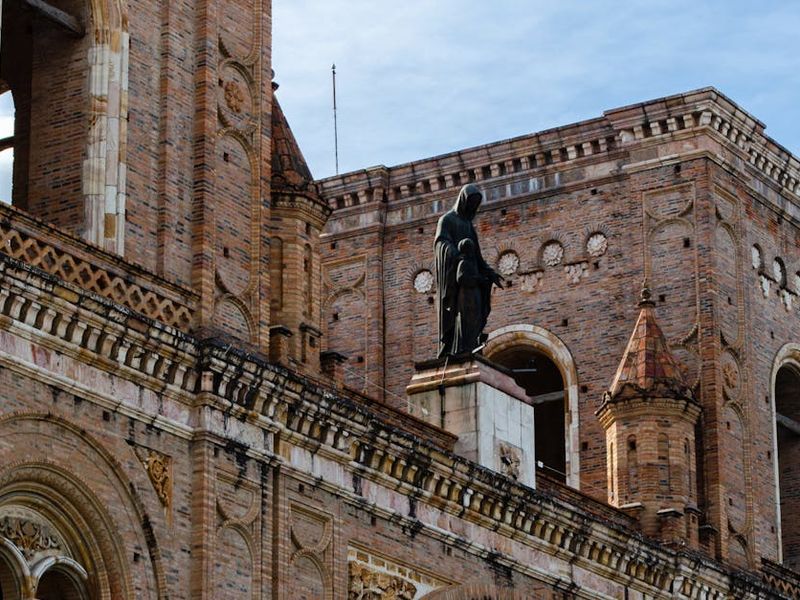
- New Cathedral (Catedral de la Inmaculada Concepción): Admire the cathedral’s striking blue domes and, if you’re up for a climb, go up for city views.
- Museo Pumapungo: A compact museum and archaeological park with exhibits on indigenous history and colonial life.
- Mirador de Turi: The city lookout that’s great at sunset and gives you a panoramic view of Cuenca and surrounding valleys.
- El Cajas National Park: A must for nature lovers—lakes, páramo landscapes and hiking trails just a short trip from the city.
- Artisan markets and nearby towns: Day trips to Chordeleg (jewelry and filigree) and Gualaceo (textiles) give insight into local crafts.
Eating and drinking: what to try and where
Cuenca has a vibrant food scene ranging from traditional ochoterías (local eateries) to inventive cafés. Don’t miss:
- Local dishes: Try llapingachos (potato patties), hornado (slow-roasted pork), and the local preparations of corn and soups. Cuy (roasted guinea pig) is a traditional specialty—if you’re adventurous, order it at a reputable restaurant.
- Street food and markets: Visit local markets for fresh juices, empanadas and soups at low cost. Markets are also a great place to interact with locals and shop for produce.
- Cafés and bakeries: Cuenca has wonderful coffee and a growing specialty coffee scene; enjoy a mid-day break in a café near the Tomebamba river.
- Helados de paila: Traditional hand-churned ice cream made in copper pans—great for a hot afternoon stroll.
Money matters and smart spending
Because Ecuador uses the US dollar, budgeting becomes straightforward. Still, plan for small niceties:
- Carry small bills and some coins—small vendors and some markets prefer cash and may not accept cards.
- ATMs are widely available in the city center; use ATMs inside banks for better safety and lower skimming risk.
- Check your restaurant bill—10% service is commonly added but not always; if service isn’t included and you enjoyed the meal, a tip is appreciated.
- Many boutique shops and restaurants accept cards, but always ask first. Have cash for taxis without meters and for small purchases.
Health, altitude and practical packing tips
The elevation in Cuenca can make a difference for first-time visitors. While most people tolerate it well, a few simple steps help:
- Take it easy on your first day: avoid vigorous exercise, drink plenty of water and get a good night’s sleep.
- Bring layers: mornings and nights are cool, midday sun can be strong—pack a warm sweater and a lightweight rain jacket.
- Footwear: comfortable, supportive shoes are essential for cobbled streets and uneven sidewalks.
- Sun protection: use sunscreen, sunglasses and a hat even when it feels cool—the highland sun is intense.
- Medications: pharmacies are well-stocked for common ailments; if you take prescription medicine, bring a supply and a copy of your prescription.
Safety and common-sense precautions
Cuenca is often praised for being one of Ecuador’s safer cities, but petty theft does occur. A few precautions go a long way:
- Keep valuables secure and carry bags in front of you in crowded markets or on buses.
- Use hotel safes for passports and extra cash when available.
- Be cautious with ATMs—use ones inside banks or busy locations and shield your PIN.
- Avoid poorly lit or quiet areas late at night, and if taking a taxi at night, choose an official or app-based service.
Local customs and etiquette
Knowing a bit of cultural etiquette goes a long way toward warm local interactions:
- Greet people with a handshake or a single cheek kiss among acquaintances—use formal forms of address (usted) with older people or in formal settings.
- Photography: ask permission before taking close-up photos of people, especially in markets or of indigenous artisans.
- Churches and historic buildings: dress modestly when entering religious sites and be respectful during services or ceremonies.
Connectivity and communication
Wi-Fi is generally available in hotels, cafés and many public buildings. If you need consistent mobile data, local SIM cards from providers like Claro or Movistar are affordable—bring your passport to register. Basic Spanish helps immensely; even a few phrases will open doors and make daily interactions easier.
Day-trips and nearby experiences
Use Cuenca as a base to explore the southern highlands and the cultural richness of the Azuay and Cañar provinces:
- El Cajas National Park: About a 30–60 minute drive from the city, this park offers lakes, hiking trails and dramatic páramo landscapes.
- Chordeleg: A short trip for craft lovers—famous for filigree jewelry and fine silverwork, with numerous workshops and small galleries.
- Gualaceo and traditional markets: Nearby towns offer textile and artisanal markets perfect for unique souvenirs and local flavors.
- Ingapirca ruins: Ecuador’s largest known Inca ruins are a longer day trip but rewarding for history buffs—plan a whole day to visit comfortably.
Packing checklist for your first trip
Keep your bag light but smartly equipped:
- Layered clothing: t-shirts, light sweater, warm jacket for evenings
- Waterproof jacket or compact umbrella
- Comfortable walking shoes
- Sunscreen, sunglasses and hat
- Reusable water bottle (tap water in Cuenca is treated, but choose what you’re comfortable with)
- Small amount of cash in small bills and coins
- Portable charger and international adaptor (if needed)
- Copy of passport and important documents, plus digital backup
Final tips for experiencing Cuenca like a local
Slow down and savor the city. Spend mornings wandering the peaceful streets and afternoons exploring markets or museums. Stop for coffee at an independent café, talk to shop owners about their craft, and take a river walk at dusk. If you approach Cuenca with curiosity and respect, you’ll find a welcoming city rich with culture and a pace that invites lingering.
With these practical tips—respect for altitude and local customs, a few Spanish phrases, smart packing and a flexible schedule—you’ll be ready to enjoy Cuenca’s colonial charm, vibrant markets and nearby natural wonders. Buen viaje!