
Table of Contents
Why Cuenca Is a Dental Tourism Powerhouse
If you’re considering dental implants, crowns, or veneers, Cuenca, Ecuador deserves serious attention. This historic Andean city has become one of the world’s best-kept secrets for dental tourism because it combines dramatic cost savings with high clinical standards and a healing, attractive environment for recovery. Many patients report 60–70% savings compared to the U.S. and Canada while receiving care from dentists trained at top universities and using modern technology.
Big Savings Without Compromising Quality
Cost is the headline reason people travel for dental work, and Cuenca delivers. Typical prices in the United States and Canada for a single dental implant can range from $3,000 to $6,000; in Cuenca, many clinics charge between $700 and $1,500 for the implant procedure and implant-grade components. Crowns and veneers are similarly less expensive—patients often pay $250–$500 per crown or veneer in Cuenca versus $800–$2,500 at home. These are rough ranges, but they illustrate why a dental vacation to Cuenca translates into substantial savings—often 60–70%—even after flights and accommodation are included.
World-Class Training and International Standards
Cuenca’s dentists are not cut-rate practitioners. Many are graduates of Ecuador’s top dental schools and have completed postgraduate training, residencies, or continuing education in the U.S., Europe, or Latin America. Clinics frequently employ specialists—periodontists, prosthodontists, endodontists—who collaborate for complex cases. You’ll often find sterilization and infection control protocols that meet international standards and imported materials from reputable U.S. and European manufacturers used for implants, abutments, porcelain, and digital components.
Cutting-Edge Clinics and Technology
Modern dental tourism in Cuenca is powered by technology. Many clinics offer cone beam CT (CBCT) scans, intraoral digital scanners, CAD/CAM milling (same-day crowns), and 3D surgical guides for precise implant placement. Some clinics provide sedation dentistry, on-site labs, and digital treatment planning that allows for predictable, efficient care. This technology shortens treatment timelines and improves outcomes—essential when you’re on a dental vacation.
Short Wait Times and Personalized One-on-One Care
Unlike crowded public systems or long waitlists at home, Cuenca clinics often have flexible scheduling and short lead times. You can usually arrange a consult quickly via video call and secure procedure dates that fit your travel plans. Clinics pride themselves on personalized, one-on-one service—many offer English-speaking coordinators, individual attention during appointments, and post-op support both in person and remotely after you return home. That level of service is a major perk for travelers looking for reliable continuity of care.
How a Typical Dental Vacation Itinerary Works
Understanding a realistic timeline will help you plan your trip. Different procedures require different stays, and Cuenca is well set up for both short and longer visits.
- Veneers or Crowns: Often a two-visit process. Day 1: consultation, digital scans, tooth preparation and temporary restorations. Day 7–14: final porcelain veneers or crowns are bonded. A 7–10 day stay usually suffices, but some clinics use same-day CAD/CAM restorations for shorter trips.
- Single Dental Implant: Day 1: consult and CBCT; Day 2: implant placement. Many clinics place a temporary crown same day or soon after. Final crown is attached after healing—usually 3–4 months. If a permanent crown is needed before you leave, plan for at least 10–14 days; otherwise, a shorter return trip or remote follow-up is arranged.
- Multiple Implants or Full-Arch Cases: These cases require careful planning—initial virtual consultations, staged surgeries, and longer local stays (2–3 weeks) or phased trips with remote monitoring and local follow-up.
Practical Travel Tips: Getting to Cuenca and Getting Comfortable
Cuenca sits at about 2,560 meters (8,400 feet) in the Ecuadorian Andes, with a mild, spring-like climate year-round—ideal for convalescence. Here are practical tips to make your dental vacation smooth and restorative:
- Flights: Cuenca’s Mariscal Lamar Airport (CUE) has limited international flights. Many international visitors fly into Quito (UIO) or Guayaquil (GYE) and take a short domestic flight (about 45–60 minutes) to Cuenca or a comfortable bus ride—Guayaquil to Cuenca is roughly 3.5–4 hours by road and often scenic.
- Visa and Currency: Ecuador uses the U.S. dollar, which simplifies budgeting. Many nationalities receive a 90-day visa-free entry—check current rules for your country before travel.
- Altitude: Cuenca’s elevation can cause mild altitude effects; plan to rest for 24–48 hours after arrival before intensive dental procedures. Hydrate and avoid heavy exertion during initial acclimatization.
- Language: Spanish is the primary language, but many clinics provide bilingual staff and English-speaking coordinators who handle appointments, transportation, and hotel arrangements.
- Where to Stay: Choose accommodation in reliable neighborhoods like the Centro Histórico for charm and proximity to clinics; El Vergel and San Sebastián offer quieter, residential feels. Many clinics partner with hotels and Airbnbs to offer package deals.
Recovery in a Beautiful, Calm City
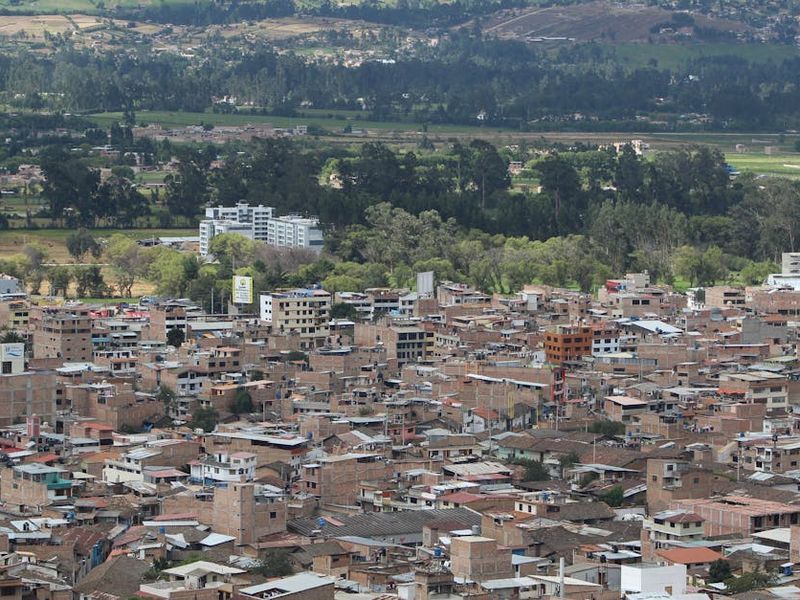
Recovery is part of the dental vacation appeal. Cuenca’s colonial streets, riverside promenades, parks, and mild weather create a peaceful environment. After surgery, gentle strolls along the Tomebamba River, relaxed café culture around Parque Calderón, or a short drive to the Cerro del Turi viewpoint can aid recovery by lowering stress and keeping you mobile but not overexerted. The city’s clean air, walkable center, and readily available fresh food—soups, soft fruits, and nutritious broths—are also ideal for post-op diets.
Combining Dentistry with a Memorable Vacation
One of Cuenca’s unique strengths is its ability to combine serious dental care with memorable tourism. Between appointments you can explore:
- Pumapungo Museum and archeological park for pre-Columbian history;
- Artisan markets in the nearby towns of Gualaceo and Chordeleg (famous for silver jewelry and beautiful textiles);
- Day trips to Ingapirca ruins to see Incan architecture; and
- Natural areas like Cajas National Park for gentle hikes and scenery—perfect if your dentist approves light activity.
Scheduling sightseeing around dental appointments gives you a meaningful, restorative trip rather than a rushed medical visit.
Questions to Ask Before You Book
Smart planning prevents surprises. Before committing, request answers to these critical questions from any Cuenca clinic:
- Can I have a virtual consultation with the treating dentist before travel?
- Which implant systems and restorative materials do you use, and where are they sourced?
- Do you provide CBCT scans and digital impressions on-site?
- What is the detailed timeline for my specific treatment, including temporary and final restorations?
- How do you handle complications or warranty claims after I return home?
- Do you offer sedation or specialized pain management if I need it?
- Will I receive a written cost estimate that includes all fees (materials, lab work, anesthesia, follow-ups)?
Aftercare and Long-Term Follow-Up
Quality clinics in Cuenca provide written post-operative instructions and will often schedule remote follow-ups via video to monitor healing once you return home. It’s wise to coordinate with your local dentist for routine maintenance and, where appropriate, have them review your treatment plan in advance—most Cuenca dentists welcome collaboration. Some clinics offer warranties or maintenance plans on restorations; ask about the terms and what’s covered for complications or adjustments.
Safety, Accreditation, and Patient Testimonials
While Ecuador’s dental standards vary, many Cuenca clinics operate at private, internationally comparable levels. Look for clinics that follow strict sterilization methods, display clear clinical protocols, and offer patient testimonials or before-and-after galleries. Independent reviews and patient stories can give insight into real experiences with scheduling, outcomes, and aftercare. Clinics often provide references or put you in touch with patients who have had similar procedures.
Budgeting and Value: Not Just Price, But Total Cost of Care
Savings in Cuenca go beyond lower sticker prices. With everything priced in U.S. dollars, no currency exchange surprises exist. Many patients find they can afford higher-quality materials or a more comprehensive treatment plan in Cuenca than they could at home. Factor in flights, accommodation, meals, and a bit of tourism spending—many travelers still save enough to cover a second procedure or a longer vacation. For treatments like full arch reconstructions, the difference in cost can turn a multi-year savings plan into a one-trip solution.
How to Start Planning Your Cuenca Dental Vacation
Begin with a virtual consultation. Send recent dental X-rays and a list of goals to several reputable Cuenca clinics and compare their proposals: material lists, timelines, detailed costs, and the involved specialists. Ask about package options that include airport transfers and hotel bookings—many clinics have established partnerships to streamline logistics. Once you choose a clinic and confirm dates, book flights with a day or two buffer for acclimatization and keep flexible return options should any follow-up be necessary.
Final Thoughts: Exceptional Value, Exceptional Care
Cuenca, Ecuador is not just an economical choice for dental implants, crowns, and veneers—it’s an exceptional value. You can expect highly trained dentists, modern clinics with advanced technology, personalized care, and short waits—all set against a beautiful city that is ideal for healing and sightseeing. For many dental tourists, Cuenca provides the rare combination of top-tier clinical outcomes and the chance to turn a necessary medical trip into a restorative vacation. If you’re ready to close the gap between cost and quality, Cuenca may well be the best place in the world to get the dental work you need.
Quick Checklist Before You Go
- Arrange a virtual consult and get a written treatment plan and cost estimate.
- Confirm clinic uses internationally recognized implant systems and materials.
- Book flights with a buffer day for altitude acclimatization.
- Pack a list of medications, recent dental records, and a soft-food plan for recovery.
- Schedule follow-up options—remote or local dentist collaboration.
With the right planning, Cuenca offers an unbeatable blend of affordability, quality, and a memorable travel experience—making it one of the world’s premier dental tourism destinations for implants, crowns, and veneers.