
Table of Contents
Welcome to Cuenca: what to expect on your first visit
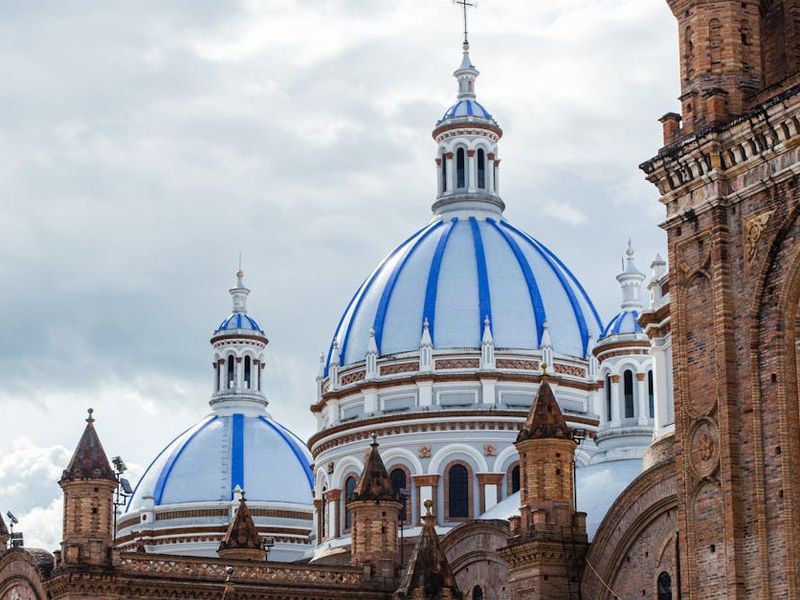
Cuenca is Ecuador’s elegant colonial jewel — cobbled streets, painted domes, riverside promenades and a relaxed pace that charms visitors instantly. If this is your first trip, a little preparation goes a long way. Below are practical tips rooted in everyday life here: how to acclimatize, where to stay, what to eat, how to get around, and ways to avoid common tourist pitfalls.
Quick facts to know before you arrive
- Altitude: Cuenca sits at roughly 2,560 meters (8,400 feet). Expect cooler nights and mild sun in the daytime.
- Currency: Ecuador uses the US dollar (USD). Small bills and coins are handy for taxis and markets.
- Language: Spanish is the language of daily life — some English is spoken in tourist areas, but basic Spanish phrases are invaluable.
- Climate: Temperate year-round. The city has a rainy season (roughly late fall to spring) and a drier season in the middle of the year; pack layers.
- Time zone & plugs: Ecuador follows UTC-5. Electricity is 120V with US-style plugs (A/B).
Managing the altitude: simple ways to acclimate
At 2,560 meters you may feel short of breath, a light headache, or mild fatigue for the first day or two. Severe altitude sickness is uncommon at this elevation, but it’s smart to take it easy if you’re coming from sea level.
- First 24–48 hours: stick to light activity, drink plenty of fluids, and avoid heavy meals or alcohol.
- Hydrate: carry a reusable water bottle. The city’s water is treated and many locals drink it, but some visitors prefer bottled water initially.
- Small remedies: coca tea is widely available in markets and cafés and is traditionally used to ease altitude symptoms; over-the-counter acetaminophen can help with headaches.
Choosing the right neighborhood for your stay
Where you stay will shape your experience. Here are neighborhood options for different traveler styles.
Historic Center (Centro Histórico)
The best choice for first-timers: walking distance to the Catedral Nueva, Parque Calderón, museums and a dense concentration of restaurants, shops and nightlife. Expect cobblestone streets and a lively vibe.
El Barranco and Tomebamba riverside
Great for scenic riverside walks, cafés with terraces and easy access to quieter neighborhoods. Good balance between atmosphere and calm.
Residential neighborhoods (Ponceano, Yanuncay)
If you prefer a local feel and longer stays, look in residential areas — you’ll find markets, bakeries and quieter streets. Short taxi rides bring you to the center.
Getting around Cuenca: tips for taxis, buses and walking
Cuenca is compact and very walkable in the historic core, but you’ll use taxis and buses for longer trips or hilly viewpoints.
- Walking: Bring good soles — the ornate sidewalks and cobblestones look beautiful but can be uneven. A small daypack is handy for water, layers, and purchases.
- Taxis: Readily available and inexpensive by North American standards. Use radio taxis when possible or agree on the price before you ride if the driver doesn’t use the meter. Many hotels can call a reliable taxi for you.
- Buses: Public buses are cheap and cover the city; routes are frequent but can be busy in rush hour. Have small change ready and be mindful of pickpockets on crowded buses.
- Rideshare: Services operate intermittently — check availability before relying on them. In many cases local taxis are the easiest option.
Money matters: ATMs, tipping and bargaining
Because Ecuador uses the US dollar, carrying cash is convenient. Here are practical money tips to avoid surprises.
- ATMs: Widely available in the center. Use well-lit banks and avoid standalone machines at night. Expect fees from international banks.
- Small bills and coins: Keep some small denominations for bus fares, market purchases and tips. Ecuadorian coins are centavos.
- Tipping: Not mandatory but appreciated. Leave spare change at cafés and 5–10% at sit-down restaurants if service is good. Bellhops and housekeeping appreciate small gratuities.
- Bargaining: Haggling is common at artisan markets but not at set-price stores or restaurants. Start politely and aim for a fair deal; artisans count on friendly negotiating.
Food and drink: must-try dishes and safe eating tips
Cuenca’s food scene blends Andean flavors with coastal influences. From market stalls to refined restaurants, your palate will have plenty to explore.
Local dishes to try
- Hornado: slow-roasted pork served with corn and llapingachos (potato patties).
- Locro de papa: creamy potato and cheese soup, a warming classic.
- Cuy: roasted guinea pig, a traditional delicacy if you’re adventurous.
- Helado de paila: hand-churned sorbet sold in plazas.
- Comida corrida: a set lunch menu at markets and small restaurants — tasty, filling and budget-friendly.
Food safety tip: busy stalls with lots of local customers are usually the safest bets. If you’re unsure, choose cooked dishes and avoid raw vegetables if you’re sensitive — even though tap water is treated, some visitors prefer bottled water for brushing teeth initially.
Health care and travel insurance
Cuenca has reputable private clinics and hospitals with English-speaking staff at larger facilities. For anything non-routine, it’s wise to have travel insurance that covers medical evacuation and private hospital care.
- Pharmacies: plentiful and pharmacists are often helpful with common ailments.
- Emergency care: if you need urgent attention, go to a private clinic for faster service; public hospitals also provide care but can be busier.
- Bring prescriptions: bring copies and the generic names of medications — brand names differ internationally.
Safety: staying secure without missing out
Cuenca is considered one of Ecuador’s safer cities, but like anywhere, petty crime exists. With a few sensible precautions you can enjoy the city confidently.
- Keep valuables out of sight. Use a cross-body bag or money belt and avoid flashy jewelry in crowded areas.
- Be cautious in bus terminals and busy markets; pickpocketing tends to happen where there are crowds.
- Nighttime: central areas are lively after dark, but if venturing into quieter neighborhoods use a taxi rather than walking alone late at night.
- Hotel safes: store your passport and extra cash in the hotel safe; carry a photocopy of your passport while you’re out.
Top sights for first-timers (and how to make the most of them)
Cuenca rewards slow exploration. Here are highlights and practical tips for visiting each.
Parque Calderón and the Cathedral
The city’s heart: spend time people-watching, visit the cathedral interior, and consider a rooftop or tower visit for sweeping city views.
Pumapungo Museum and archaeological site
Combines an ethnographic museum with Inca ruins and lovely gardens. It’s a compact way to learn about the region’s history and indigenous cultures.
El Barranco and the Tomebamba River
Walk the riverbank paths, stop at cafés with terraces, and explore artisan shops along the way.
Mirador Turi
A short taxi ride or a longer walk uphill rewards you with panoramic city views — best at sunrise or sunset.
Day trips and short excursions
Cuenca is an excellent base for day trips that show off Ecuador’s diverse landscapes.
- El Cajas National Park: Highland lakes, hiking trails and dramatic scenery — bring warm clothes and check trail conditions before you go.
- Ingapirca: The best-preserved Inca ruins in Ecuador, about a 1.5–2 hour drive from Cuenca.
- Artisan towns: Gualaceo and Chordeleg are famous for textiles and silver jewelry — ideal for picking up handcrafted souvenirs.
- Hot springs and smaller rural towns: for a low-key day of relaxation or a taste of countryside life.
Practical packing list for Cuenca
Pack for layers and comfort. Here are items that will make your stay easier and more enjoyable:
- Light rain jacket and a warm sweater — nights can be chilly even if days are sunny.
- Comfortable walking shoes with good traction for cobblestones.
- Sunscreen and a brimmed hat — the sun is strong at altitude.
- Reusable water bottle and any prescription medications (with labels).
- A small daypack, portable charger, and copies of your passport in a separate place.
Language and local customs: small gestures that go far
A few Spanish phrases open doors and smiles. Locals appreciate the effort even if you speak slowly and make mistakes. Greet shopkeepers with buenos días/tardes, say por favor and gracias, and use disculpe to get someone’s attention politely.
Cultural note: friendly cheek kisses and warm handshakes are common greetings. Dress casually but neatly — Ecuadorians tend to present themselves with care.
Staying connected: SIM cards, Wi‑Fi and communication
Local SIM cards are affordable and available at major providers’ shops and airport kiosks. Many cafés and hotels offer reliable Wi‑Fi. If you rely on uninterrupted connectivity, consider buying a local SIM or eSIM plan upon arrival.
Final tips for a smooth first visit
Start slowly, let Cuenca’s rhythm sink in, and leave room for serendipity. Schedule your first day to be relaxed: a gentle walk through the historic center, a late lunch at a market, and an early night to adjust to altitude. Ask locals for recommendations — boutique bakery spots, a favorite lookout, or the best place to try a particular dish — you’ll often be led to memorable discoveries that aren’t in guidebooks.
With practical preparation and a curious attitude, your first visit to Cuenca will be both comfortable and full of delightful surprises. Enjoy the winding streets, the friendly conversations, and the slow, beautiful pace of one of Ecuador’s most beloved cities.