
Table of Contents
Why Cuenca Is a Perfect Base for Outdoor Exploration
Cuenca’s colonial streets and riverfront parks are beautiful, but step outside the city limits and you’ll find a compact playground of highland lakes, páramo, cloudforest and river canyons. At 2,500 meters elevation the city is a great acclimatization point for higher treks, while the surrounding provinces—Azuay and Cañar—offer diverse landscapes reachable in under two hours. Whether you have a single afternoon or a long weekend, there are outdoor options for gentle nature strolls, serious day hikes, mountain biking or multi-day backpacking.
Quick Nature Walks Inside and Just Outside the City
Not everyone has time for a full-day excursion. If you want fresh air without leaving Cuenca, start with the riverside paseos along the Tomebamba and Yanuncay. These paved promenades offer easy walking, local vendors, and views of traditional houses and bridge architecture. Bring a camera for the colorful balconies reflecting in the water, and consider following the river toward the south for quieter spots.
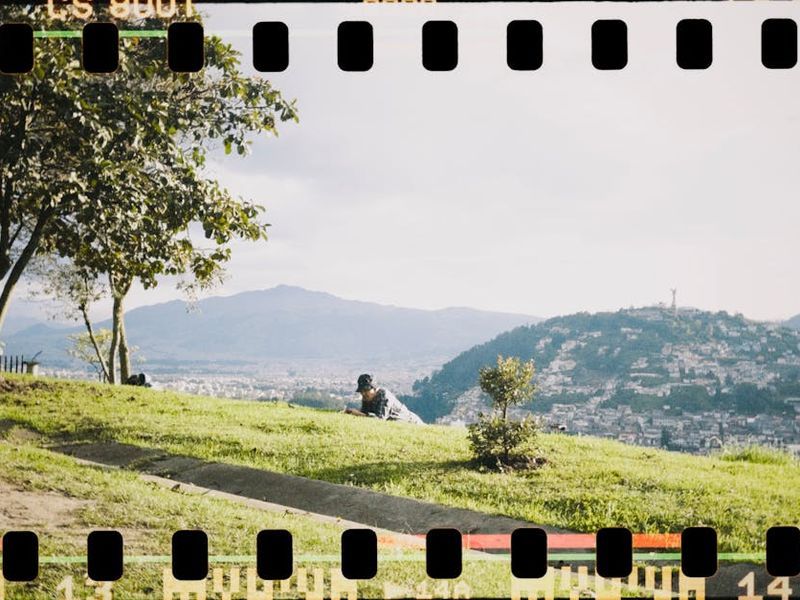
For panoramic city views and a short uphill walk, the Mirador de Turi is unbeatable. A 20–40 minute climb from the city center (or a quick taxi ride) rewards you with sweeping vistas of Cuenca and the surrounding Andean ridges—great for sunrise or golden hour photography.
Parque Nacional El Cajas: High-Altitude Lakes and Paramó Hikes
El Cajas National Park is the crown jewel for hikers near Cuenca. Known for its shimmering lagoons, cushion plants and windswept páramo, the park sits mostly between 3,100 and 4,450 meters, so expect cold wind and thin air. The park is roughly 40–60 minutes by car from downtown Cuenca to the main trailheads, depending on which entrance you use.
Top short hikes in Cajas include loops to nearby lagunas where you can see mountain ducks, Andean gulls and sometimes herds of llamas or alpacas tended by local farmers. If you want a taste of high-altitude trekking without committing to a long route, pick a 2–4 hour circuit that passes a few small lagoons and offers scenic vistas over the valley.
For serious day-hikers, longer routes in Cajas rise to higher ridges with panoramic views of dozens of tarns (lagunas). Allow for 4–8 hours, bring layers, and prepare for sudden weather changes. If you plan to fish, look for local trout farms in the area—many restaurants near the park serve trout caught that day.
Mountain Biking: From Gentle Trails to Rugged Descents
Cuenca is increasingly popular with mountain bikers. The variety is one of the city’s strengths: easy river-side promenades for beginners, rolling agricultural roads outside town for intermediates, and technical highland tracks in the páramo and cloudforest for experts. Rent a bike in town from one of several shops near the central park or arrange a guided ride via a local tour office.
Popular rides include mixed gravel roads through farmland villages east of Cuenca that sweep down into river canyons—great for fast descents with beautiful views. For a full-day challenge, ride up to the higher ridges near El Cajas and descend along designated trails back toward the city; note that climbing at altitude will feel much harder than at sea level.
Safety tip: Always carry spare tubes, a small pump, multi-tool, gloves and a helmet. Many remote stretches have limited cell reception, so a basic repair kit and good navigation (offline maps) are essential.
Birdwatching and Wildlife Viewing
The microclimates surrounding Cuenca support a wide range of bird species. In El Cajas expect highland specialists like Andean geese, coots, and various waterfowl around the lakes. Lower-elevation cloudforest and river corridors are home to hummingbirds, tanagers, trogons and woodpeckers. Local hummingbird feeders near small reserves and lodges can be spectacular—bring binoculars and patience.
If you’re keen on birding, consider hiring a local guide. Guides can tailor a half- or full-day route to target specific species and will know the best vantage points and times of day. Early morning is typically the most productive time for birdsong and activity.
Historic Hikes: Ingapirca and Cultural Trails
About 1.5 to 2 hours north of Cuenca, the archaeological site of Ingapirca offers a unique blend of hiking and history. The main Inca complex sits on a hill overlooking a valley, and you can walk among stone structures and terraces while learning about pre-Columbian engineering. Combine the visit with short countryside walks that pass through traditional highland communities and farmland—great for cultural immersion and gentle exercise.
Nearby artisan towns like Gualaceo and Chordeleg aren’t just for shopping; the surrounding hills and river valleys offer easy trails and photo opportunities. These towns are accessible by frequent buses from Cuenca and make excellent day-trip base points for low-impact walking and cycling.
Waterfalls, Canyons and Small-Community Walks
The Azuay countryside is threaded with rivers that tumble into scenic waterfalls and deep canyons. Short trails to local cascades are often maintained by small communities and can be reached by a short taxi or colectivo ride. These community trails are wonderful for learning about local life, enjoying picnic lunches and taking a cooling dip when the sun is out.
Support local guides and community-run routes—entrance fees or small donations help maintain trails and support village economies. Many of these walks feature native orchids and bromeliads in the cloudforest belts, so bring a field guide or ask your guide about the local flora.
Horseback Riding and Multi-Day Treks
If you prefer moving at a slower pace, guided horseback rides are available from haciendas and rural lodges around Cuenca. These rides range from an hour to full-day excursions through farmland, along river terraces and into moorland. Horseback trips are an excellent way to access viewpoints and trails that would be longer on foot.
For multi-day hiking, plan carefully. Weather and altitude make logistics more complex, and facilities are limited. Partnering with a guided outfit is wise for overnight treks—guides handle camping permits, food supply and emergency planning. If you do go independently, leave an itinerary with someone in Cuenca and carry a satellite communicator or arrange regular check-ins.
Seasonality and Weather: When to Go
The highland climate around Cuenca is relatively stable but has distinct wetter and drier months. The main dry season runs roughly from June through September—this is the most reliable time for long treks and mountain biking. The wet season (often October–May) brings more frequent afternoon showers and muddy trails, but mornings can still be spectacularly clear.
High-altitude areas like El Cajas are colder year-round; nights can dip below freezing even in the ‘summer’ months. Sun intensity is high at altitude—use sunscreen and a hat, and carry layers for cold winds and sudden rain. Always check the forecast before leaving town, and allow extra time for visibility changes due to fog or clouds.
Practical Tips: Gear, Transport and Safety
- Layers and rain protection: Pack a lightweight waterproof jacket, fleece layer, gloves and a hat—temperatures can change rapidly.
- Hydration and food: Bring at least 1–2 liters of water for day hikes and high-energy snacks; water sources in the highlands can be cold but not always safe to drink without treatment.
- Altitude: If you plan to go into El Cajas or higher ridges, spend a day in Cuenca to acclimatize. Signs of altitude sickness include headache, nausea and fatigue—descend and seek help if symptoms worsen.
- Transport: Most trailheads are reachable by taxi or colectivo from central Cuenca; shared taxis and minibuses serve towns like Girón, Gualaceo and Ingapirca. Renting a car gives flexibility for early starts and side trips.
- Guides and permits: For specialized activities (multi-day routes, birding peaks, or remote areas), hire a certified guide. Many nature reserves require a small entrance fee or registration—carry cash for fees.
- Navigation: Download offline maps and carry a physical map if possible. Trails may be poorly marked in places, especially in paramo landscapes that look similar in all directions.
Suggested 3-Day Itinerary Around Cuenca
Day 1: Morning—easy riverside walk along the Tomebamba and a visit to Mirador de Turi for sunset. Afternoon—sample local snacks and visit artisan markets in the city. Overnight in Cuenca.
Day 2: Full day—head to El Cajas National Park. Choose a moderate loop to visit several lagunas, bring a picnic, and watch for highland birds. Return to Cuenca in the evening for a warm meal.
Day 3: Morning—take an early bus or drive to Ingapirca for archaeology and a short countryside walk. Afternoon—stop in Gualaceo or Chordeleg on the way back for crafts and a riverside stroll.
Responsible Travel: Leave No Trace and Respect Local Communities
Many of the best outdoor spots are on fragile ecosystems or in small communities. Follow Leave No Trace principles: carry out trash, stay on established trails, and don’t feed wildlife. When visiting communities, ask before taking photos and buy local goods and services to support sustainable tourism. Small fees and tips often make a big difference to trail maintenance and local livelihoods.
Final Thoughts: Make Time to Explore
Cuenca is a city that rewards those who step beyond the plaza. From the wind-swept lagoons of El Cajas to the quiet river valleys and friendly artisan towns, the region offers outdoor experiences for all skill levels. With practical preparation—appropriate gear, awareness of altitude, and respect for local guides and communities—you can turn a short stay in Cuenca into a memorable outdoor adventure. Lace up your boots, bring your curiosity, and you’ll find that some of Ecuador’s most rewarding landscapes are just a short ride from the city’s cobblestone streets.
Adam Elliot Altholtz serves as the Administrator & Patient Coordinator of the “Smilehealth Ecuador Dental Clinic“, along with his fellow Expats’ beloved ‘Dr. No Pain‘, right here in Cuenca, Ecuador, and for purposes of discussing all your Dental needs and questions, is available virtually 24/7 on all 365 days of the year, including holidays. Adam proudly responds to ALL Expat patients from at least 7:00am to 9:00pm Ecuador time, again every single day of the year (and once more even on holidays), when you write to him by email at info@smilehealthecuador.com and also by inquiry submitted on the Dental Clinic’s fully detailed website of www.smilehealthecuador.com for you to visit any time, by day or night. Plus, you can reach Adam directly by WhatsApp at +593 98 392 9606 -or by his US phone number of 1‐(941)‐227‐0114, and the Dental Clinic’s Ecuador phone number for local Expats residing in Cuenca is 07‐410‐8745. ALWAYS, you will receive your full Dental Service in English (NEVER in Spanish), per you as an Expat either living in or desiring to visit Cuenca by your Dental Vacation, plus also to enjoy all of Ecuador’s wonders that are just waiting for you to come arouse and delight your senses.