
Table of Contents
Why Cuenca is the perfect hub for exploring southern Ecuador
Cuenca’s layout, altitude (about 2,560 meters) and excellent bus links make it an ideal base for a mix of nature, history and craft culture. Within one to two hours you can reach cloud forests, Inca ruins, vibrant markets and high Andean lakes that reveal a very different Ecuador than the coast or Amazon. These day trips are ideal if you’re short on time but want an authentic taste of the region.
How to use this guide
Below you’ll find seven curated day trips, each with a realistic itinerary, travel options, practical tips and what to expect. I include approximate travel times, difficulty for walking/hiking, and suggestions for when to go. Keep in mind local schedules change seasonally—bus departures and guided tour availability are often best checked the day before.
1) Ingapirca: Ecuador’s premier Inca site
Why go
Ingapirca is the largest and most famous pre-Columbian complex in Ecuador. The site showcases a fascinating fusion of Cañari and Inca architecture, with the restored Temple of the Sun and rock-cut terraces sitting against a dramatic Andean backdrop.
Getting there
- Drive: Roughly 1.5–2 hours north of Cuenca on a paved road (about 70–90 km depending on route).
- Bus: Buses to Cañar or directly to Ingapirca depart from Cuenca’s Terminal Terrestre. Expect a 2+ hour ride; check schedules early in the morning.
- Guided tours: Many local agencies offer half- to full-day tours that include transport, guide and museum entrance.
What to do
Plan 2–3 hours on-site to climb the viewpoints, visit the small museum and walk the pathways. A knowledgeable guide will explain the alignment of the Temple of the Sun, Inca masonry techniques and Cañari traditions. Bring a rain jacket, water and a hat—altitude and sun can be intense.
2) El Cajas National Park: Lakes, peat bogs and Andean skies
Why go
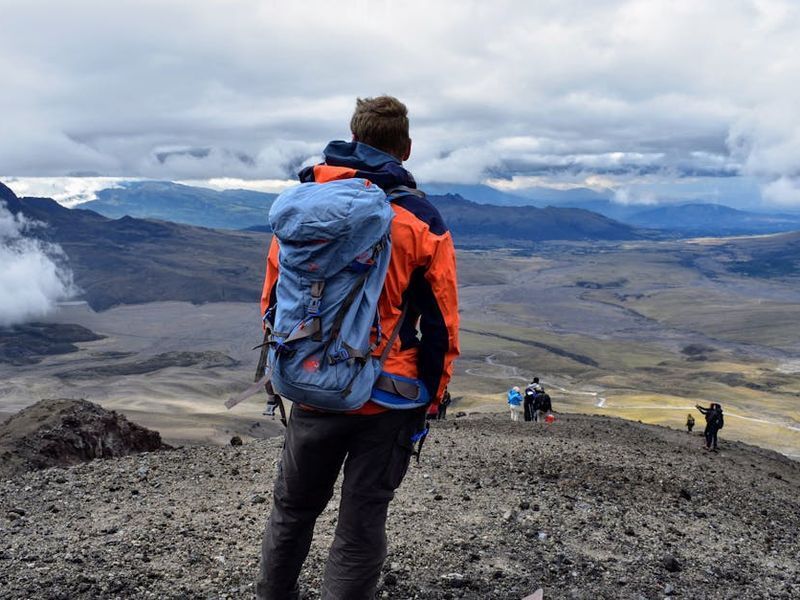
El Cajas is an otherworldly highland playground—thousands of glacial lagoons set among rolling paramo and jagged peaks. It’s a paradise for photographers, birdwatchers (look for the Andean condor and many waterfowl) and hikers who want to escape to raw mountain landscapes less than an hour from Cuenca.
Getting there
- Drive: About 30–45 minutes west of Cuenca to the park entrance; roads are paved but can be steep.
- Bus: Minibuses/collectivos to El Cajas leave from near the southern bus terminals; ask drivers for stops at the park entrance (Laguna Toreadora is a popular trailhead).
- Guided hikes: Local guides supply park knowledge and can tailor hikes to your fitness level.
Suggested hikes
- Laguna Toreadora loop: Moderate, 2–3 hours, scenic wetlands and a chance to see llamas and caracaras.
- Short lake strolls: Ideal for families—an hour-long walk along easy trails with boardwalks.
- Longer treks: Multi-hour treks for experienced hikers who want higher, windswept terrain and solitude.
Note the park sits between roughly 3,100 and 4,450 meters. Dress in layers and take it slow to avoid altitude effects.
3) Gualaceo & Chordeleg: Textiles, silver and authentic markets
Why go
Gualaceo’s colorful textile market and Chordeleg’s filigree silver jewelry are perfect for shoppers and culture seekers. These towns offer lowland warmth compared to Cuenca and a relaxed pace where artisans make everything from handwoven rugs to delicate earrings.
Getting there
- Drive: Around 40–60 minutes east of Cuenca through the scenic Yanuncay valley.
- Bus: Frequent minibuses leave from Cuenca’s bus stations heading to Gualaceo and Chordeleg.
What to do
- Browse the Gualaceo market (often at its busiest in mornings), famous for textiles, ceramics and produce.
- In Chordeleg, explore small workshops where silver filigree is made—perfect for watching the craft and buying directly from artisans.
- Try local eats like hornado (roast pork) or fresh fruit juices; bring small bills for market purchases.
4) Girón: Colonial charm and coffee haciendas
Why go
Girón is one of the region’s best-preserved colonial towns. With its cobbled streets, whitewashed buildings and a beautiful riverside setting, it conjures classic Andean village life. Nearby coffee haciendas welcome visitors for farm tours and tastings.
Highlights and activities
- Wander Plaza Kennedy and the town’s quiet streets, then visit the local church and small craft stalls.
- Book a coffee tour at a nearby hacienda to learn about shade-grown highland coffee and taste freshly roasted beans.
- Explore nearby viewpoints and waterfalls for short nature walks.
Getting there
About 35–50 minutes by road from Cuenca; collectivos and private taxis are common options. Many people combine Girón with a visit to nearby small villages for a full cultural day.
5) Azogues and Paute: Simple towns, big views
Why go
Azogues, the capital of Cañar province, makes a pleasant, low-key day trip. Its cathedral and plazas display quiet provincial life. Nearby Paute is known for fruit orchards, the Paute River and scenic viewpoints where the canyon opens up—ideal for relaxed drives and roadside stops.
What to expect
- Azogues: stroll the main square, visit local bakeries, and watch daily life unfold without the tourist bustle.
- Paute: make short stops at lookouts, sip fresh fruit juices and visit roadside stalls selling seasonal produce.
These towns are great if you want to experience ordinary Ecuadorian life away from tourist hot spots while staying within easy reach of Cuenca.
6) Alto de Turi & Mirador de Turi: Quick viewpoints with cultural stops
Why go
If you have only a half-day, head to the Mirador de Turi for expansive vistas over Cuenca’s red-tiled roofs and the surrounding valley. Turi itself has a lively craft market, plus there are several nearby restaurants offering traditional highland food with a view.
Tips for a short trip
- Take a local taxi or the city bus up to Turi—great at sunset when the city is illuminated.
- Combine a stop at the statue of the Virgin and the market where you can buy locally woven goods and snacks.
7) Off-the-beaten-path: Combine small villages and roadside produce markets
Why go
Some of the richest travel experiences come from spontaneous stops at roadside markets and tiny villages near Cuenca. Routes toward the east and north are dotted with family-run bakeries, fruit stands and tea plantations where you can taste local flavors and meet producers.
Suggested loop
- Head east from Cuenca toward Gualaceo, but turn off into any small village that captures your interest.
- Look for weekend markets—the best time to find handcrafts and regional foods.
- Ask locals where their family sells cheese, breads or panela (unrefined sugar) and sample with a friendly conversation.
Practical travel tips for every day trip
These practical tips will help you make the most of each excursion and avoid common hassles.
Transport options
- Bus/collectivo: Cheap and reliable for short hops—buy tickets at terminals the morning of travel if possible.
- Car rental: Gives the most flexibility; roads around Cuenca are generally paved and well-marked, but expect narrow mountain stretches and occasional fog.
- Guided tours: Good value when you prefer a local guide, park fees included and a relaxed itinerary.
Money and entrance fees
Carry small bills and coins; many smaller sites and market sellers are cash-only. Typical entrance fees for national parks or archeological sites are modest (a few dollars). ATMs are common in Cuenca but rare in smaller towns.
Packing list
- Layers: temperatures change quickly with altitude—bring a warm mid-layer and a waterproof shell.
- Good walking shoes: trails can be muddy, rocky and steep.
- Sun protection: high altitude amplifies UV—use sunscreen and a hat.
- Water and snacks: especially for long hikes or remote villages.
- Small backpack, camera, and binoculars for birdwatching.
Health and safety
Altitude effects are a real concern on higher trips (El Cajas and Ingapirca). If you feel unwell, descend, rest and hydrate. Keep valuables discreet and get taxi recommendations from your hotel at night. Most day trip roads are safe, but always check local weather before heading out—rain can make rural roads slippery.
Best seasons to visit
Cuenca’s highland weather is typically divided into a wetter and a drier period. The dry season (often June–September) usually offers clearer skies and better hiking conditions, while the wetter months (roughly December–May) bring occasional afternoon showers and mist—but can also produce dramatic cloudscapes and fewer tourists. Regardless of season, mornings often start crisp and clear, so plan early departures.
Sample itineraries
Classic day: Ingapirca + Azogues
Depart Cuenca at 7:00 a.m., arrive in Ingapirca by 9:30, explore until noon, enjoy lunch at a local comedor, then stop in Azogues for an easy afternoon stroll. Return to Cuenca by 5:00–6:00 p.m.
Nature day: El Cajas loop
Leave at 7:30 a.m., drive to Laguna Toreadora, take a 3–4 hour loop with packed lunch, visit the visitor center and return to Cuenca by late afternoon. Perfect for photography at dawn if you’re an early riser.
Cultural day: Gualaceo & Chordeleg shopping
Start with Gualaceo’s market at 8:00 a.m., transfer to Chordeleg before lunch to visit silversmiths, then stop at a roadside cafe for fresh juice before heading back to Cuenca mid-afternoon.
Final thoughts: Mix flexibility with local knowledge
Cuenca opens up an extraordinary range of day trip options. Whether you’re after high-altitude lakes, quiet colonial towns, or hands-on artisan experiences, there’s a trip to suit every pace. Use local guides when possible—they enrich the story of each place and help you find hidden corners that buses don’t reach. Most importantly, leave some margin in your day: the best souvenirs are often spontaneous discoveries made when you slow down and talk to locals.
Ready to explore? Pack your layers, bring an appetite for fresh fruit and local cuisine, and set aside at least a few days in Cuenca so you can take these trips without feeling rushed. Southern Ecuador’s landscapes and people are generous—go with curiosity and an open schedule.