
Table of Contents
Why Walk Cuenca’s Centro Histórico?
Cuenca’s historic center is compact, richly layered, and best discovered at walking pace. The cobblestone streets, grand cathedrals, riverside promenades and tucked-away museums reveal themselves slowly — in the rhythm of footsteps, café pauses and spontaneous conversations with vendors. This guide gives you a clear, practical walking route plus local tips so you can enjoy the city like a curious traveler or a new expat.
Quick Facts Before You Step Out
- UNESCO status: Cuenca’s Centro Histórico is a UNESCO World Heritage Site (1999) for its outstanding colonial architecture and urban fabric.
- Altitude: about 2,560 meters (8,400 ft) — take it easy if you’ve just arrived, hydrate and move slower than usual.
- Currency: US dollars. Small denominations work best for taxis, markets and street food.
- Best time to walk: mornings (8–11am) for cooler air and market activity, or late afternoon (3–6pm) for golden light on the cathedral domes.
Start at Parque Calderón — The City’s Living Room
Begin at Parque Calderón, the tree-filled plaza at the heart of the Centro Histórico. Locals meet here to chat, street performers entertain, and pigeons create charming mayhem. Take a slow lap around the park to orient yourself: you’ll see the towering blue domes of the New Cathedral (Catedral de la Inmaculada Concepción), the Old Cathedral nearby, and a grid of streets radiating outward.
Practical tip: there are benches and public restrooms nearby. A quick coffee at one of the cafés bordering the square is a great way to watch the city wake up.
New Cathedral (Catedral Nueva): Iconic Blue Domes
From Parque Calderón, walk toward the New Cathedral. Its indigo-glazed domes are Cuenca’s most photographed landmark. Pause on the plaza in front to appreciate the architecture — a mix of neo-Gothic and Renaissance influences — and check the schedule if you want to glimpse the interior during a service.
Practical tip: climb the towers if they’re open for a modest fee for panoramic views of the Centro and surrounding hills. Bring a light jacket — the breeze at rooftop level can be cool.
Old Cathedral (El Sagrario) and Religious Art
Just a short walk from the New Cathedral stands the Old Cathedral, often called El Sagrario. Now serving sometimes as a museum and exhibition space, it offers a quieter, more intimate look at colonial altarpieces and religious art. Nearby, the Museo de las Conceptas (a former convent) houses textiles and sacred objects that tell the story of religious life in colonial Cuenca.
Practical tip: many small museums in the Centro have low entrance fees and English-language pamphlets — ideal for an hour of slow, meaningful exploration.
Stroll the Tomebamba Riverside (El Barranco)
Walk downhill toward the Tomebamba River to discover beautifully landscaped promenades, stone bridges and the “barranco” neighborhoods that inspired writers and painters. The riverside is lush with trees, benches and photo spots where you can capture reflections of colonial houses and the cathedral domes.
Don’t miss the restored colonial houses along the riverbanks; many are home to cafés, boutique shops and small galleries. This area is particularly lovely in late afternoon when the light softens and photographers gather.
Explore Artisan Streets: Hats, Jewelry and Handicrafts
Cuenca is famous for toquilla straw hats (commonly called Panama hats elsewhere) and skilled silversmithing, especially filigree jewelry. The Centro has numerous shops and workshops where you can see artisans at work. Look for small signs that say “taller” (workshop) if you’d like to watch weaving or jewelry-making up close.
Shopping tips: ask questions about materials and construction, compare a few shops for price and quality, and remember that bargaining politely is acceptable in many artisan stalls. If you’re buying a hat, request to see it from the inside — the tightness and uniformity of the weave indicate quality.
Museo Pumapungo and Indigenous Roots
A slightly longer walk or short taxi ride south of the main plaza brings you to Museo Pumapungo. This museum sits on the remains of an Inca site and features archaeological collections, a recreated indigenous village, and well-curated exhibits about the region’s pre-Columbian cultures and colonial history. The surrounding gardens are a quiet place to linger.
Practical tip: check opening hours — many museums close mid-afternoon for a few hours. Guided tours are available in Spanish and sometimes in English.
Markets: Fresh Food, Local Life and Helado de Paila
Venture into a neighborhood market to taste local flavors. Mercado 10 de Agosto (sometimes called Mercado Central) is a bustling spot where you can try traditional dishes, buy fresh produce, and watch food culture up close. Don’t miss street vendors selling helado de paila — artisanal ice cream churned in a cold metal pan; flavors range from blackberry to feijoa.
Food safety tip: stick to busy stalls where food is being actively prepared. Carry hand sanitizer and a small pack of napkins for market snacks.
Calle Larga and Nightlife Options
As the evening approaches, head to Calle Larga, the Centro’s lively cultural artery. By day it’s lined with shops and galleries; by night it fills with restaurants, bars and live music. If you want a relaxed night, choose a rooftop bar with views of the cathedral domes. For something more local, look for venues offering traditional music or live Andean ensembles.
Practical tip: taxis are inexpensive and a safer choice after dark if you’re not comfortable walking. Many bars accept cards but carrying some cash is wise for smaller purchases and taxis.
Mirador de Turi: Short Taxi, Big Views
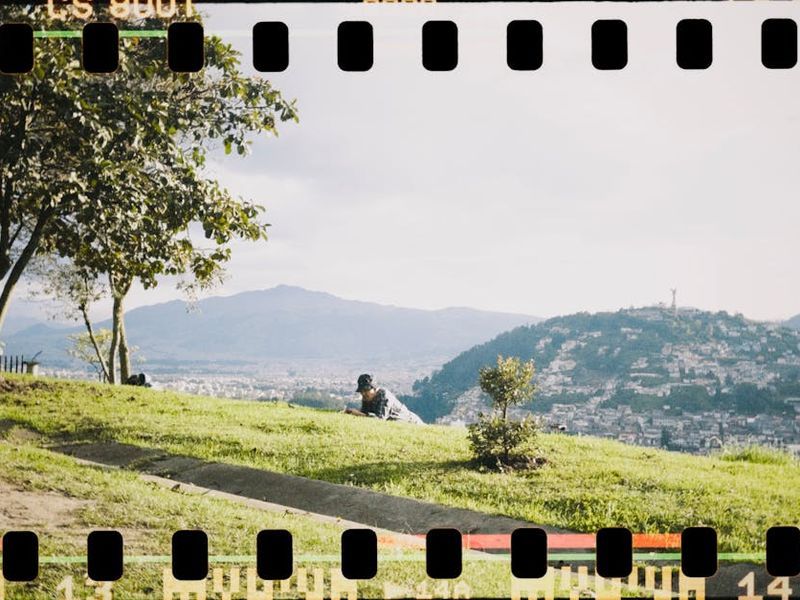
If you have the energy for a short trip outside the compact Centro, take a taxi up to Mirador de Turi. The hill offers sweeping panoramas of Cuenca’s red roofs, river valleys and surrounding mountains — an excellent spot for sunset photography. Taxis to Turi cost a few dollars each way; combine the trip with a drink or snack at a nearby café.
Practical tip: bargaining a round-trip fare with your driver up front is common practice. Bring a jacket; it can be noticeably colder at the mirador.
Three-Hour Route for Busy Travelers
If you only have a morning or half-day, follow this compact route: Parque Calderón (10–15 min) → New Cathedral (20–30 min, including tower view if open) → Old Cathedral / Museo de las Conceptas (30 min) → Walk down to the Tomebamba riverside and stroll (20 min) → Quick market stop for helado de paila or coffee (15–20 min). This loop gives you the highlights without rushing.
Full-Day Exploratory Loop
For a deeper day of discovery: start at Calderón, visit the New and Old Cathedrals, spend an hour in Museo Pumapungo, have lunch at the market, browse artisan workshops for hats and jewelry, rest with a riverside café, then head to Mirador de Turi for sunset. Cap the day with dinner and live music on Calle Larga.
Practical Safety and Comfort Tips
- Dress in layers: weather can change quickly at this altitude; mornings can be cool and afternoons warm.
- Shoes: choose comfortable walking shoes with good soles for cobblestones and uneven sidewalks.
- Hydrate and pace yourself: at 2,560 m the air is thinner — avoid overexertion on steep climbs.
- Watch for pickpockets in crowded areas; a crossbody bag worn in front is a good precaution.
- Carry a small roll of cash for markets and museum fees; most cafés and larger restaurants accept cards.
Language and Local Courtesy
Basic Spanish phrases will enrich your experience and open doors. Try these: “Buenos días” (good morning), “¿Cuánto cuesta?” (how much does it cost?), “Muchas gracias” (thank you very much). Smiles and a few words of Spanish are warmly received in markets and shops.
Apps, Maps and Walking Resources
Download an offline map of Cuenca before heading out (maps.me or Google Maps offline areas). Consider using ride apps or local taxi numbers for the return from Mirador de Turi if you don’t want to wait for street taxis. Look for local walking tour companies if you want a guided experience with historical commentary — many offer morning and evening departures.
Respectful Tourism: Leave Only Footprints
Cuenca’s Centro Histórico thrives because people live and work inside it. Be mindful of noise in residential streets at night, don’t climb on historic façades for photos, and support local shops and cafés whenever possible. Small purchases at artisan stalls make a meaningful difference to local makers.
Sample Packing List for a Centro Walk
- Light daypack
- Reusable water bottle
- Layered clothing and light rain jacket
- Comfortable walking shoes
- Cash in small denominations
- Phone with offline maps and a portable charger
Final Notes: Making the Most of Your Walk
Walking Cuenca’s Centro Histórico is about slowing down. Pause for a conversation with an artisan, linger over a bowl of caldo at the market, and let narrow lanes draw you into quiet plazas. Whether you have three hours or a full day, this compact city rewards curiosity. Follow the route above, but leave room for detours — some of the best discoveries happen when you wander without a strict plan.
Buen paseo — enjoy your walk through one of Ecuador’s most charming historic centers.